Sir Alex Ferguson Opens Up About Brain Haemorrhage and Reluctance to Return to Old Trafford
Former Manchester United manager Sir Alex Ferguson revealed his recent brain haemorrhage has left him fearful of stepping back onto Old Trafford, sparking reflection on his legacy and health.
By Callum Reid · 3 Oct 2026 · 3 min read · United Kingdom edition
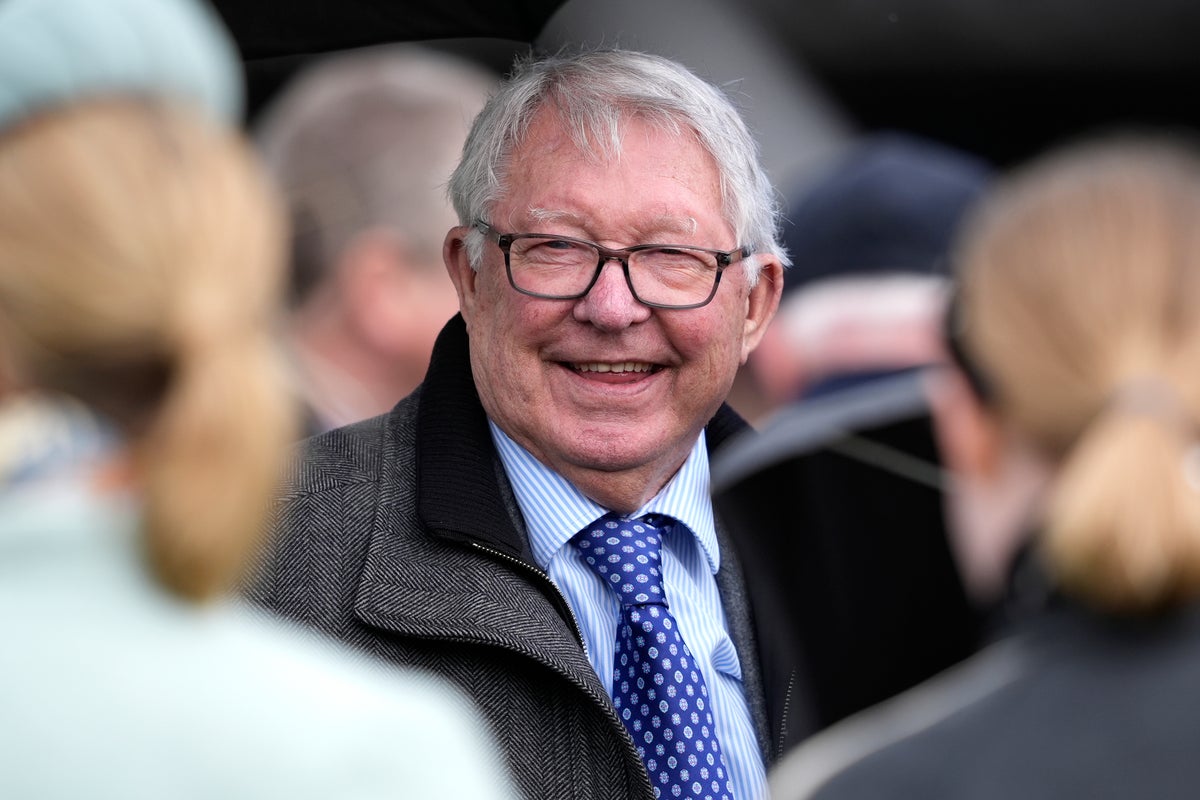 Peter Byrne/PA Wire
Sir Alex Ferguson, the former Manchester United manager who shaped the club’s modern identity, has spoken publicly about a recent brain haemorrhage and his apprehension about returning to Old Trafford. The admission comes not from a routine press conference but from a personal discussion in which Ferguson articulated a very human fear: that the place where he built a dynasty now feels like a potential health hazard. His candor forces fans, pundits, and the football establishment to confront the physical toll that a career spent under relentless pressure can exact.
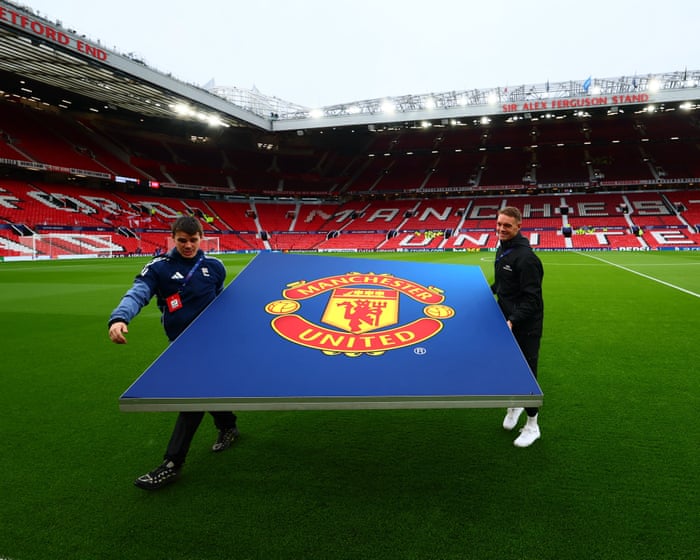
The significance of Ferguson’s statement lies less in the medical specifics and more in the symbolic weight of Old Trafford in his career. For decades, the stadium was the backdrop to triumphs, records, and an era that defined modern football. To hear the man who once ruled that arena admit a reluctance to set foot there is a stark reminder that even the most iconic figures are vulnerable. His fear underscores the intimate bond he has with the ground—an attachment that now carries a shadow of personal risk.
A brain haemorrhage, by its nature, can provoke anxiety about environments associated with stress and high stakes. While the details of Ferguson’s condition remain private, the psychological impact of such an event is universally understood: the brain, the organ governing cognition and emotion, has suffered a serious insult. The very act of returning to a place that once demanded relentless mental sharpness can feel like an invitation to relive that pressure. Ferguson’s expressed fear is a logical response, not an overreaction, and it offers a window into the mental calculus that accompanies recovery.
By voicing his apprehension, Ferguson also highlights the broader relationship between former managers and the clubs they once led. Many ex‑managers retain a ceremonial presence at their old homes, but the expectation of perpetual involvement can be at odds with personal health realities. Ferguson’s stance may encourage clubs to reconsider how they engage with their legends, balancing reverence with respect for their well‑being. It is a subtle cue that reverence need not translate into compulsory appearances that could jeopardize an individual’s recovery.
From a public‑relations perspective, Ferguson’s openness is likely to resonate with supporters. Fans have long idolised his achievements; seeing him confront vulnerability humanises an otherwise larger‑than‑life figure. The narrative shifts from relentless success to a more nuanced portrait of a man who must now negotiate his own limits. Media coverage will inevitably focus on the emotional weight of his words, but the underlying message is about the importance of prioritising health over tradition.
The conversation also expands to the wider football community, reminding everyone that the sport’s demands do not end at retirement. Former managers, coaches, and even players often remain attached to the environments that defined them, sometimes at the expense of personal health. Ferguson’s admission could act as a catalyst for clubs and governing bodies to develop more robust support structures for their alumni, ensuring that the celebration of past glories does not inadvertently pressure individuals into compromising their recovery.
In the final analysis, Sir Alex Ferguson’s decision to speak about his brain haemorrhage and his fear of returning to Old Trafford is both brave and instructive. It forces a reevaluation of how the sport venerates its legends, and it underscores that even the most revered figures must navigate the practicalities of health. Respect for his honesty should translate into tangible actions that protect the well‑being of those who have given so much to the game, ensuring that the reverence for Old Trafford does not become a source of dread for those who helped build its mythic status.