Manchester United Cuts Ruben Amorim Deal, Saves Millions in Payout
Manchester United terminated Ruben Amorim’s contract, avoiding a multi‑million‑euro payout that would have been due under the original agreement.
By Callum Reid · 24 Sept 2026 · 3 min read · United Kingdom edition
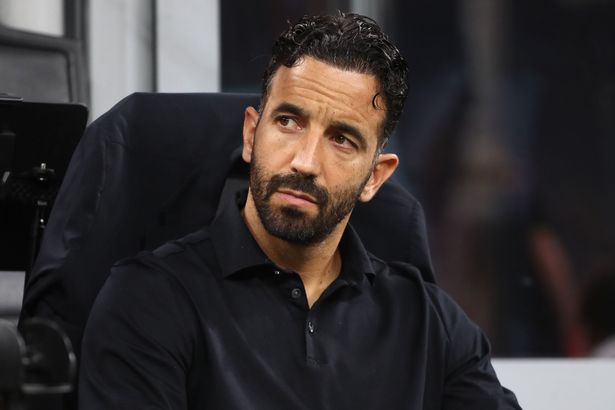 via Mirror Football
Manchester United’s decision to end its agreement with Ruben Amorim has sent a clear financial signal: the club chose to halt a commitment that would have cost millions of euros in compensation. By pulling the plug on the contract, the Red Devils avoided a headline‑grabbing payout and, in the process, kept a sizeable sum in the club’s coffers. The move underscores how a single contractual decision can reshape a club’s short‑term fiscal landscape.
The scale of the saved amount, described simply as "millions of euros," is not trivial for a club of United’s stature. In the modern game, contract termination clauses can quickly balloon into six‑figure or even eight‑figure liabilities, especially when performance‑related bonuses and image rights are factored in. By sidestepping that liability, United has retained financial flexibility that could be redirected toward other priorities—be it player acquisitions, infrastructure projects, or debt reduction. In an environment where cash flow is increasingly scrutinised by owners and fans alike, that flexibility can be a strategic advantage.
Beyond the balance sheet, the termination sends a message about the board’s tolerance for under‑performance or misalignment with strategic goals. Cutting ties with a manager before a contract’s natural expiry suggests a willingness to act decisively when expectations are not being met. It also hints at a broader philosophy: that financial prudence can outweigh the reputational risk of frequent managerial turnover. For a club accustomed to high‑profile appointments, this approach may recalibrate expectations around stability versus fiscal responsibility.
The immediate fiscal benefit is only part of the equation; the opportunity cost is equally compelling. The millions saved could be allocated to a new recruitment drive, an upgrade to training facilities, or even to buffer the club against future market volatility. In a transfer market where fees are inflating, retaining liquidity is a tactical asset. It also reduces pressure on the wage budget, allowing the club to structure future contracts with more favorable terms, knowing that a substantial contingency fund is available.
Nevertheless, the decision will inevitably attract both praise and criticism. Supporters of a frugal approach will applaud the avoidance of a costly payout, interpreting it as a sign that the board is finally exercising restraint. Conversely, skeptics may argue that the short‑term savings could undermine long‑term planning, especially if the termination reflects a pattern of impatience that hampers continuity. The balance between fiscal discipline and sporting ambition is a tightrope that United now walks with a lighter load, but the risk of over‑correction remains.
Looking ahead, United’s next managerial appointment will be judged through the prism of this financial decision. The club now possesses a clearer budgetary canvas, which could attract candidates willing to work within a more measured compensation structure. It also places the onus on the recruitment team to find a manager whose vision aligns with a club that values both competitive success and economic sustainability. The freed resources could be a bargaining chip in negotiations, provided the club can articulate a coherent long‑term plan.
In the broader context of elite football, United’s move illustrates the growing importance of financial stewardship alongside on‑field performance. As clubs worldwide grapple with the dual demands of competing for trophies and maintaining fiscal health, decisive actions like terminating a costly contract become case studies in risk management. Manchester United’s choice to halt Ruben Amorim’s deal, thereby saving millions, may well become a reference point for how top‑tier institutions balance ambition with accountability.