Manchester United Posts £43 Million Loss, Debt Still Over £1 Billion After Stadium Land Purchase
Manchester United reported a £43 million net loss for 2025/26 and remains over £1 billion in debt after spending £63.5 million on land for a new stadium.
By Callum Reid · 24 Sept 2026 · 3 min read · United Kingdom edition
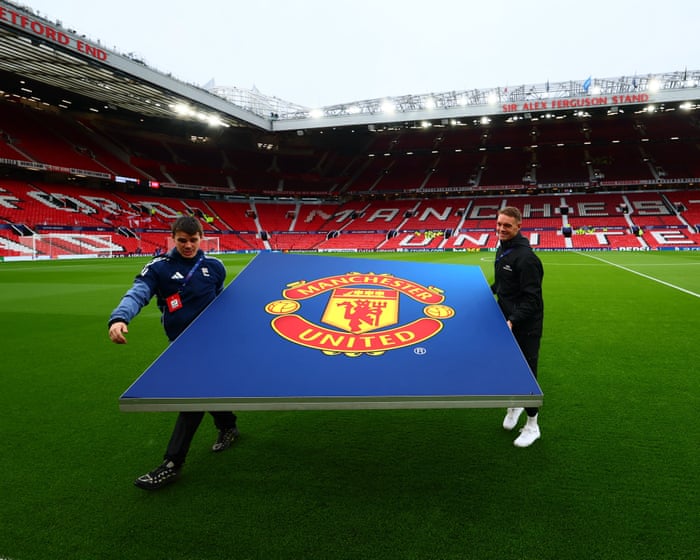 Photograph: Paul Currie/Shutterstock
Manchester United’s accounts for the 2025/26 season reveal a £43 million net loss, pushing the club’s total debt beyond the £1 billion mark. The financial statement also notes a £63.5 million outlay on land earmarked for a future stadium, a capital commitment that sits squarely alongside the operating shortfall. These figures lay bare a fiscal picture that is as stark as it is familiar in the modern game, where on‑field ambition collides with balance‑sheet realities.
A £43 million loss may not look dramatic when compared with the multi‑hundred‑million budgets of elite clubs, but it is a clear indicator that revenue streams are not keeping pace with expenditures. The shortfall suggests that commercial income, matchday receipts, or broadcast revenue fell short of expectations, or that cost pressures – perhaps from wages, bonuses, or other operational items – outstripped the inflow. In a season where the club is already burdened with a massive debt load, any operating loss compounds the challenge of maintaining financial flexibility.
Debt exceeding £1 billion raises questions about sustainability. Servicing such a liability requires a steady flow of cash, whether from profit generation, asset sales, or refinancing. The scale of the debt means that even modest interest costs can erode net earnings, leaving less room for reinvestment in the squad or infrastructure. The club must therefore manage cash carefully, ensuring that the balance between debt obligations and operational cash flow does not tilt unfavorably.
The £63.5 million spent on acquiring land for a new stadium represents a forward‑looking investment, but it also adds to the immediate financial strain. While a modern stadium can unlock higher matchday revenues, hospitality opportunities, and ancillary income, the capital outlay is a cash‑draining exercise that does not provide an immediate return. The timing of the purchase, juxtaposed with the current loss, underscores a strategic gamble: banking on future earnings to offset present‑day fiscal pressure.
Given the current financial snapshot, the club will need to lean heavily on revenue generation to bridge the gap. Matchday income will become crucial, particularly if the new stadium can deliver higher ticket prices and increased capacity. Commercial partnerships, sponsorship deals, and global brand leverage will also be pivotal in delivering the cash flow required to service debt and fund ongoing operations. Broadcast revenues remain a fixed pillar, but any fluctuation there would be felt acutely.
Strategically, Manchester United faces a set of choices. Tightening operational costs could protect the bottom line, though it may risk on‑field competitiveness. Refinancing the debt could spread repayments over a longer horizon, but it would likely involve higher interest or covenants. Monetising non‑core assets, or accelerating the stadium project to bring revenue‑generating facilities online sooner, are other routes that could alleviate pressure. Each option carries trade‑offs between short‑term stability and long‑term growth.
In sum, the £43 million loss and the soaring debt figure paint a picture of a club balancing ambition with fiscal reality. The land purchase signals a commitment to future revenue expansion, but until that vision materialises, Manchester United must navigate a tightrope of cash management, cost control, and revenue maximisation. How the club reconciles these competing demands will shape its competitive standing and financial health for years to come.