Liverpool appoint new sporting director following Richard Hughes’ exit
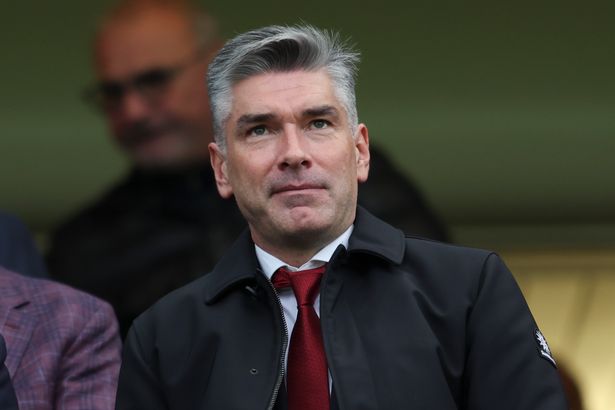
Liverpool have confirmed the hiring of a new sporting director after Richard Hughes stepped down from the role, signalling a fresh strategic chapter for the club’s back‑room hierarchy.
By Priya Anand · 23 Sept 2026 · 3 min read · United Kingdom edition
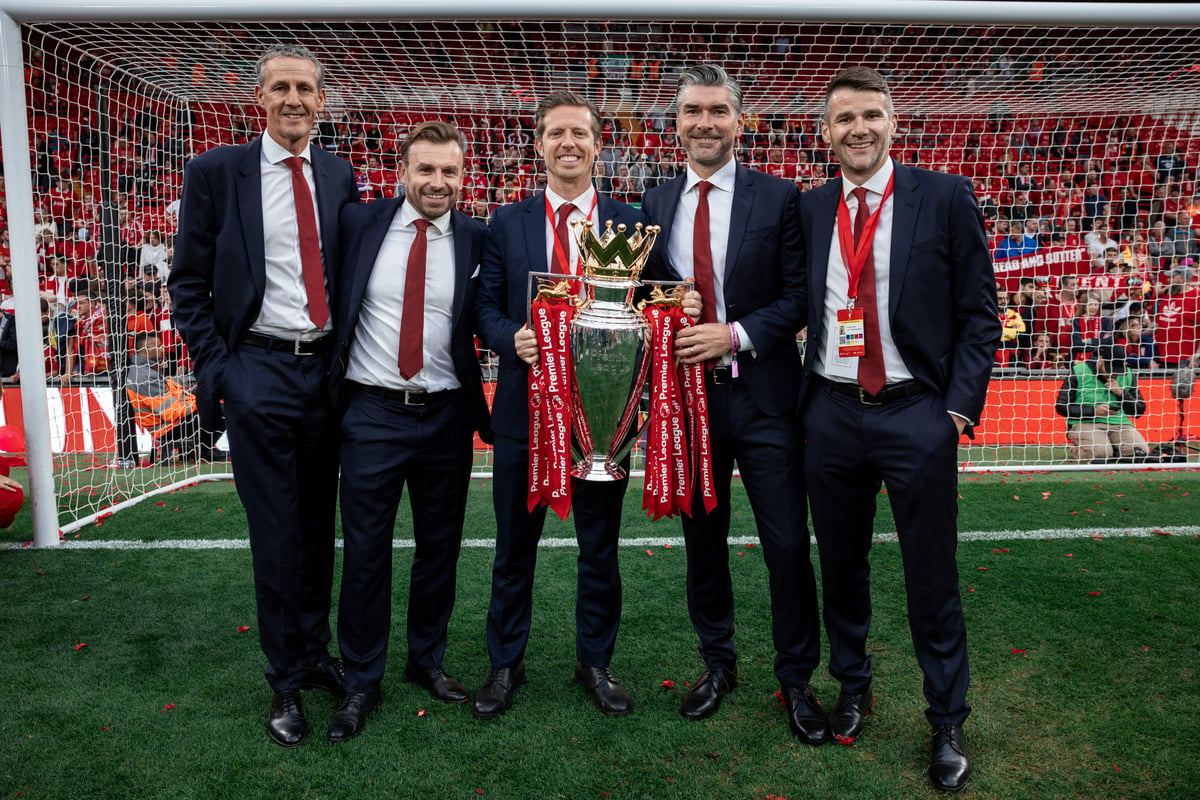 Liverpool FC via Getty Images
Liverpool’s latest front‑office shake‑up arrived quietly but with clear intent: a new sporting director has been installed to replace Richard Hughes, who has departed the post. The announcement, confirmed by two independent outlets, underscores the club’s desire to re‑align its strategic oversight at a time when the balance between on‑field ambition and off‑field planning is under intense scrutiny. While the identity of the appointee has yet to be disclosed, the move itself is already a talking point among Anfield faithful.
The sporting director’s remit at a club of Liverpool’s stature goes beyond headline‑grabbing signings. It encompasses the orchestration of scouting networks, the integration of data analytics into player assessment, and the long‑term mapping of squad composition. In an era where the Premier League’s financial arms race shows no signs of abating, a well‑defined sporting director can act as the connective tissue between the manager’s immediate tactical needs and the club’s broader vision for sustainability.
Recent seasons have highlighted a tension between Liverpool’s on‑pitch successes and the occasional hiccup in transfer negotiations. The absence of a clear, consistent voice in the boardroom can leave the manager juggling short‑term fixes against a backdrop of evolving market dynamics. By installing a new sporting director, the hierarchy appears to be acknowledging that a dedicated overseer is essential to bridge that gap and to provide continuity irrespective of managerial turnover.
From a recruitment perspective, the change could bring a recalibrated approach to talent identification. Liverpool have traditionally blended a keen eye for elite talent with a willingness to nurture prospects from within their academy. A fresh perspective at the sporting director level may reinforce that blend or tilt it toward a more data‑driven, global scouting model, depending on the appointee’s philosophy. Either way, the role will likely shape the parameters of the upcoming transfer windows, influencing which positions are prioritised and how the club allocates its resources.
The dynamic between the new sporting director and Jürgen Klopp will be a focal point for observers. Klopp’s charismatic leadership has defined Liverpool’s recent era, yet the modern game increasingly demands a collaborative decision‑making process. A well‑aligned sporting director can provide Klopp with a steady pipeline of suitable players while allowing the manager to focus on tactics and man‑management. Conversely, any misalignment could reignite debates about the balance of power within Anfield’s hierarchy.
For the supporters, the appointment signals a willingness to invest in structural stability rather than relying solely on ad‑hoc solutions. It suggests that the board is looking beyond immediate results to cement a framework that can sustain success across multiple seasons. While the specifics of the new sporting director’s mandate remain under wraps, the very act of filling the vacancy demonstrates an awareness that strategic continuity is a prerequisite for competing at the highest level.
In sum, Liverpool’s decision to replace Richard Hughes with a fresh sporting director is less about a single personality change and more about reaffirming a philosophy that the club’s future hinges on coherent, long‑term planning. As the summer transfer window looms, the eyes of the Kop will be on how quickly this new appointment translates into actionable policy, and whether it can help translate the club’s lofty ambitions into tangible, on‑field results.