Andoni Iraola Defends Liverpool’s Summer Strategy as Bradley Barcola Joins the Squad
Liverpool manager Andoni Iraola explained his transfer approach, revealed the club turned down other options and confirmed the signing of Bradley Barcola during the summer window.
By Priya Anand · 3 Sept 2026 · 3 min read · United Kingdom edition
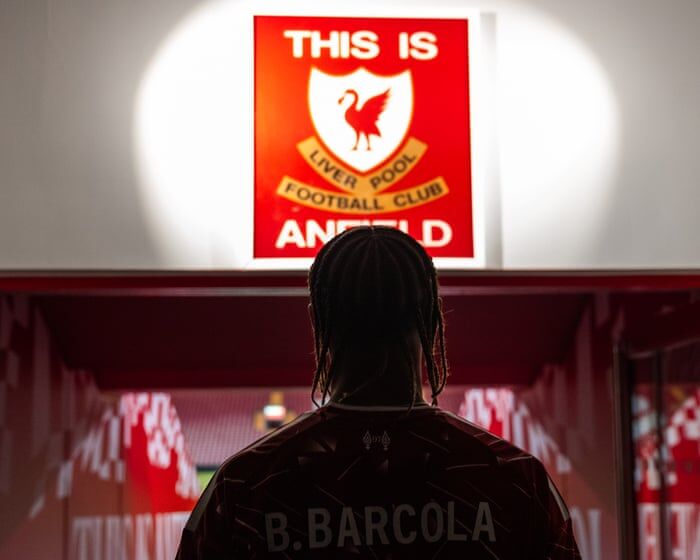 Photograph: Liverpool FC/Getty Images
Liverpool’s summer activity has been the subject of intense scrutiny, and this week manager Andoni Iraola stepped forward to lay out his thinking. He emphasized that the club’s approach was deliberate, not reactive, and that the arrival of French winger Bradley Barcola was the product of a clear set of priorities rather than a last‑minute scramble for reinforcement. By speaking directly about the strategy, Iraola aimed to quiet speculation and frame the window as a measured step toward the club’s longer‑term objectives.
Iraola’s defence of the transfer plan rests on the premise that Liverpool was not simply filling holes, but shaping a squad that reflects a particular balance. He pointed out that the club turned down several alternatives that were reportedly on the table, signalling a willingness to walk away rather than compromise on the profile they were seeking. This refusal to settle suggests a confidence in the existing core and an expectation that any new addition must bring a distinct attribute to the collective.
The decision to pass on other prospects, while not detailing who those players were, sends a message about the hierarchy of the club’s recruitment criteria. It hints that the board and coaching staff share a common vision, where the value of a potential signing is weighed against both tactical fit and the broader cultural fit within the dressing room. Declining options also preserves financial flexibility, a point that Iraola hinted at without disclosing specific numbers, indicating that Liverpool prefers to allocate resources where they see the most strategic return.
Bradley Barcola’s inclusion is the most concrete outcome of that strategy. While the club has been quiet on the exact terms, his arrival is presented as a targeted acquisition that aligns with the style of play Iraola wishes to implement. Barcola, a player with a reputation for dynamism on the flanks, offers a fresh dimension to Liverpool’s attacking options, potentially easing the burden on established stars and adding competition for starting places. His presence reflects an intent to inject pace and variability without overhauling the existing framework.
From a broader perspective, this measured approach underscores Liverpool’s ambition to remain competitive while navigating the realities of a crowded market. Iraola’s comments suggest that the club is not chasing marquee names for their own sake, but rather building a roster where each piece serves a purpose. The emphasis on selectivity over volume indicates a belief that a cohesive unit can outperform a collection of high‑profile but mismatched signings.
The impact on squad dynamics will be observed in the weeks ahead. Barcola’s integration into training and his competition with current wingers could sharpen the team's overall output, pushing established players to adapt and improve. At the same time, the decision to reject other candidates may reassure those already in the squad that merit and fit remain the primary criteria for future additions.
Looking forward, Iraola’s articulation of the summer strategy sets a tone for the upcoming season. It frames the window not as a frantic scramble but as a calculated process that aligns with a longer‑term blueprint. For supporters and pundits alike, the message is clear: Liverpool intends to evolve methodically, using each signing—such as Bradley Barcola—as a building block rather than a headline grabber, and the club’s confidence in that approach will be measured by how quickly the new pieces translate into on‑field results.