Richard Hughes departs Liverpool to become sporting director at Al‑Hilal
Liverpool sporting director Richard Hughes has left his role to take up the same position at Saudi Pro League giants Al‑Hilal, confirming a high‑profile move between Europe and the Middle East.
By Priya Anand · 6 Sept 2026 · 3 min read · United Kingdom edition
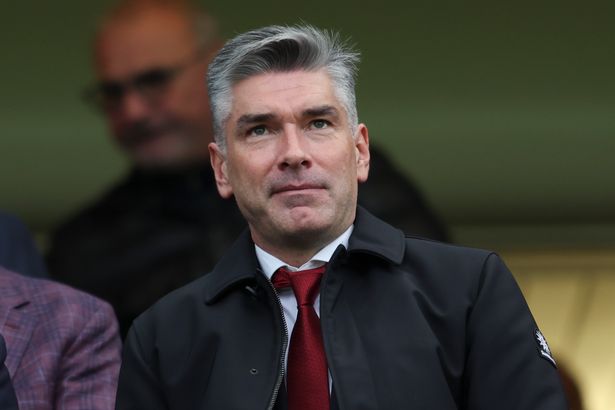 via Mirror Football
Richard Hughes’ resignation from Liverpool marks a rare shift of senior football operations talent from the Premier League to a club outside Europe. Having spent several years shaping the Reds’ recruitment strategy, Hughes now steps into a similar capacity at Al‑Hilal, the dominant force in Saudi Arabia’s top flight. The move underscores how Saudi clubs are not only courting marquee players but also seeking the expertise that drives long‑term squad building.
For Liverpool, Hughes’ exit comes at a moment when the club is still calibrating its post‑Klopp identity. The sporting director’s remit has traditionally involved aligning scouting, analytics, and contract negotiations under a cohesive philosophy. While the club’s hierarchy has not detailed a succession plan, the vacancy will likely prompt an internal review of how best to sustain the recruitment pipelines that have delivered recent success. The decision to part ways with a senior figure could also be read as a willingness to refresh the backroom in anticipation of new challenges.
Al‑Hilal, on the other hand, has been on an aggressive trajectory, investing heavily in both playing staff and infrastructure. By appointing a figure with Premier League experience, the Saudi outfit signals a desire to import the operational rigor that underpins elite European clubs. Hughes’ knowledge of the English market could prove valuable as Al‑Hilal seeks to attract talent from a broader pool, while also enhancing its scouting networks across Europe and beyond.
The broader context of this transfer is the accelerating talent drain from Europe’s top leagues to the Gulf region. Over the past few seasons, a growing number of coaches, technical directors, and executives have accepted roles in Saudi Arabia, drawn by ambitious projects and financial packages that rival those in Europe. Hughes’ move adds another piece to that puzzle, suggesting that the allure is not limited to on‑field personalities but extends to the strategic minds that shape clubs’ futures.
From a strategic standpoint, the appointment could accelerate Al‑Hilal’s efforts to compete on the continental stage. The AFC Champions League remains a coveted prize, and a sporting director accustomed to the pressures of the Premier League may bring a more data‑driven, systematic approach to squad construction. This could help the club balance the need for marquee signings with the development of a sustainable talent pipeline, a balance that has often eluded clubs that rely heavily on high‑profile acquisitions.
Liverpool fans will be watching closely to see how the club fills the void left by Hughes. The organization’s reputation for attracting top scouting talent may mitigate any short‑term disruption, but the transition period will test the depth of its institutional knowledge. Whether the successor will continue Hughes’ legacy or chart a new course remains an open question, but the decision will inevitably influence Liverpool’s transfer targets and contract negotiations in the upcoming window.
In the final analysis, Hughes’ migration to Al‑Hilal is emblematic of a shifting power dynamic in global football administration. As Saudi clubs continue to invest in expertise that transcends player signings, the traditional hierarchy of football talent development is being re‑examined. For the Reds, the departure is a reminder that retaining senior staff is as crucial as retaining star players, while for Al‑Hilal it represents a clear statement of intent: they are serious about building a club that can compete not just domestically, but on the Asian and world stages.