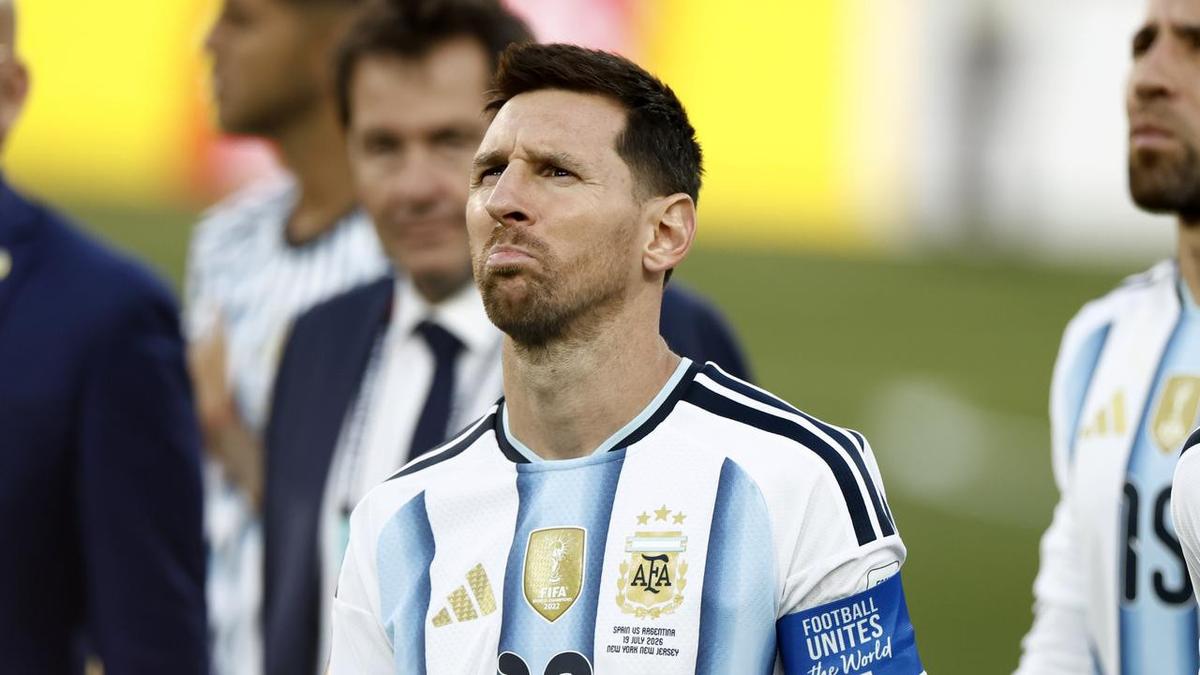
Lionel Messi bids emotional farewell to Argentina in final appearance
Lionel Messi delivered a heartfelt farewell speech as he marked the end of his international career with Argentina in his last match for the national side.
By Graham Pettifer · 7 Oct 2026 · 3 min read · United Kingdom edition
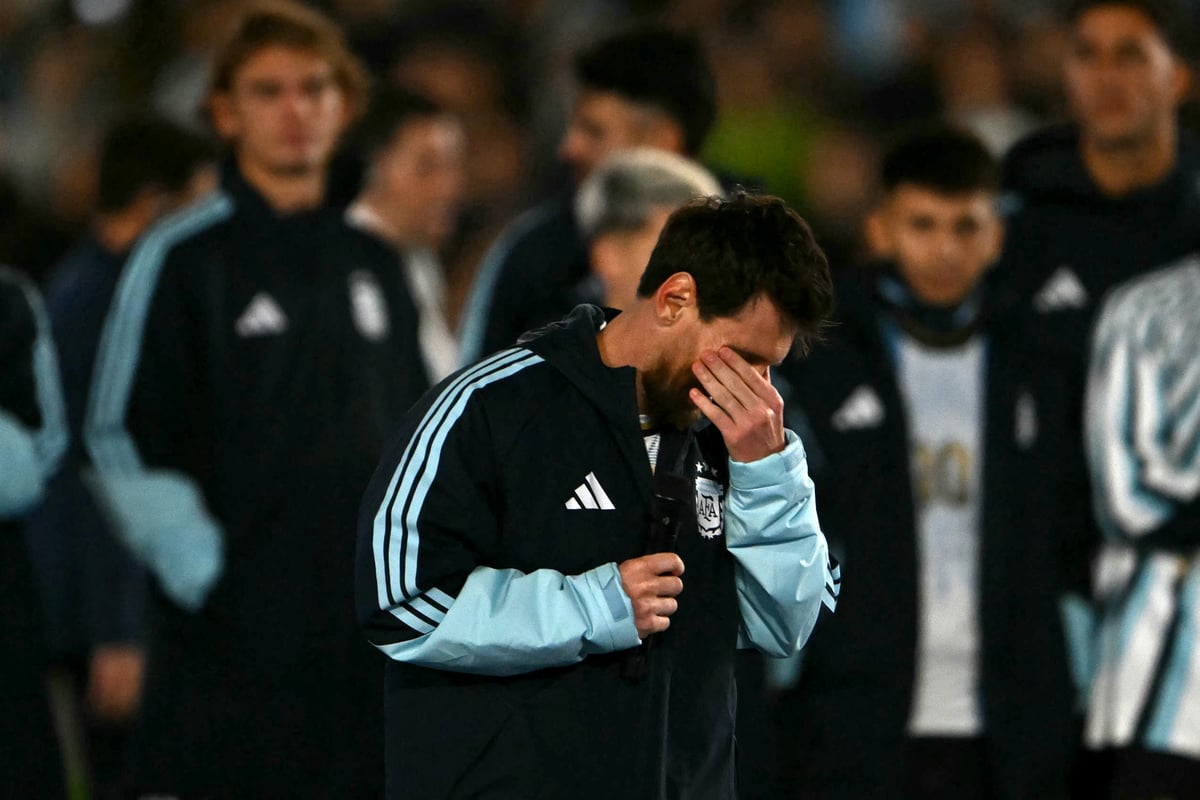 AFP/Getty
Lionel Messi stepped onto the pitch for Argentina one final time, and the occasion was marked not by the usual tactical analysis but by an unmistakable sense of finality. As the stadium lights glowed, the Argentine captain rose after the final whistle to address the crowd, his voice carrying both gratitude and melancholy. The speech was a personal thank‑you to supporters, teammates, and the nation that has followed his journey from prodigy to legend, and it underscored the emotional weight of an era drawing to a close.
Farewells of this magnitude have always been more than a simple announcement; they become cultural touchstones that reflect the deep bond between player and country. In football history, the retirement of a figure who has defined a national identity often transforms into a collective moment of reflection. The ritual of a departing star speaking directly to fans serves as a bridge between the personal achievements of the individual and the shared narrative of the team, reminding everyone that sport is as much about story as it is about score.
Messi’s influence on Argentina extends beyond the countless moments of brilliance on the field. His style, characterized by an almost poetic balance of vision and execution, has shaped the expectations of what Argentine football can represent on the world stage. Generations of young players have grown up emulating his technique, while supporters have woven his image into the fabric of national pride. The emotional resonance of his farewell therefore taps into a broader sense of identity that the country has cultivated around his presence for many years.
The collective reaction to his speech highlights how fans process the end of a chapter that has been written in countless headlines and memories. A player's retirement can become a communal rite, where the stadium becomes a space of shared mourning and celebration. The outpouring of gratitude, the chants that linger after the last note, and the silence that follows the applause all point to the way sport provides a venue for collective emotional expression, especially when a beloved figure steps away.
Looking ahead, Argentina now faces the challenge of redefining itself without the focal point that has dominated its attack for so long. History shows that teams must adapt, often rediscovering new leadership and tactical approaches in the wake of a star's departure. The transition can be fraught with uncertainty, but it also offers an opportunity for emerging talents to step into the spotlight and for the national side to explore different philosophies that may have been eclipsed.
On a broader scale, Messi’s exit underscores a recurring pattern in international football where the conclusion of a great player’s career triggers debates about legacy versus tangible success. The discourse shifts from tallying accolades to assessing cultural impact, influence on teammates, and the inspiration provided to future generations. Such conversations remind us that the value of a player can be measured in intangible ways that endure long after the final whistle.
In the end, Lionel Messi’s farewell speech will be remembered as a poignant bookmark in the story of Argentine football. While his boots will no longer tread the grass of the national jersey, the imprint of his vision, humility, and passion will continue to echo in the aspirations of those who follow. The sport moves forward, but the memory of his departure will remain a reference point for how a single player can shape a nation's sporting soul.