Republic of Ireland’s 3‑0 Nations League Triumph Over Israel Highlights Emerging Strength
Republic of Ireland defeated Israel 3‑0 in a Nations League match, with Jack Moylan adding the third goal, underscoring a growing confidence for the Irish side.
By Graham Pettifer · 29 Sept 2026 · 3 min read · United Kingdom edition
 AP
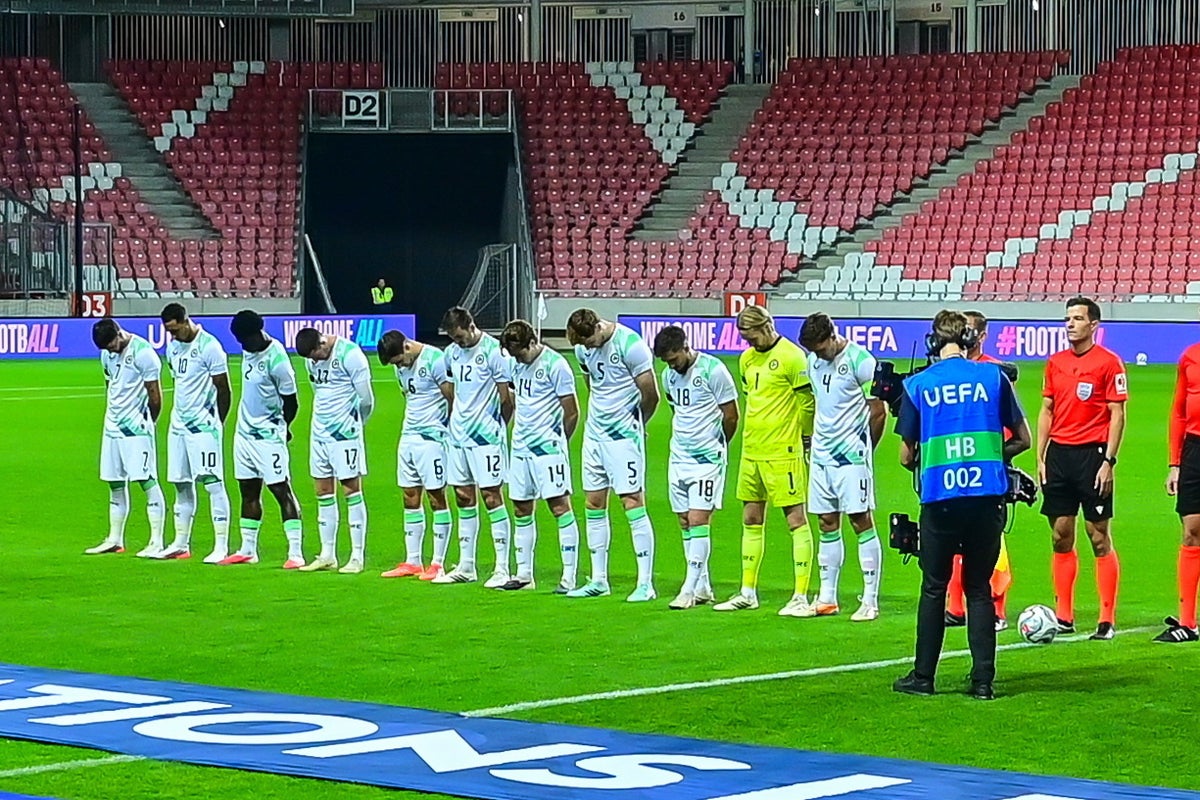
APThe Republic of Ireland’s three‑nil victory over Israel in the latest Nations League round offered a clear statement of intent, not just for the eight‑minute flurry that settled the match but for the broader direction of Irish football. From the opening whistle, the Irish side displayed a blend of disciplined organization and attacking fluidity that culminated in a comfortable win, while Jack Moylan’s late strike provided a tidy finish to a performance that felt more like a showcase than a mere qualification fixture.
In recent years, the Irish national team has been navigating a period of rebuilding, seeking to reconcile a proud tradition with the demands of modern football. This result fits comfortably within a pattern of steady improvement, where tactical cohesion and an emphasis on collective work have begun to outweigh the occasional lapses that once plagued the side. The win against Israel is less about a single matchday and more about an evolving identity that values adaptability and resilience, traits that have been cultivated through a concerted effort at the grassroots and senior levels alike.
For Israel, the defeat serves as a reminder of the challenges faced by teams seeking to assert themselves on the European stage. Their inability to contain the Irish attack exposed lingering defensive vulnerabilities, while their own offensive ambitions were stifled by a well‑drilled Irish midfield. Yet, the match also highlighted moments of promise, as glimpses of technical skill and creative spark emerged, suggesting that with the right structural adjustments, the team can still compete vigorously in future encounters.
Beyond the immediate scoreboard, the three‑goal margin carries weight in the context of the Nations League group dynamics. Points accrued here ripple through the qualification pathways, shaping the prospects for both nations in upcoming European campaigns. While the Irish side can look ahead with a measure of optimism, knowing that their position is now bolstered, Israel must reckon with the necessity of regrouping if they hope to keep their aspirations alive. The broader implication is that the Nations League continues to serve as a crucible where emerging narratives are forged, influencing not just rankings but the strategic planning of each federation.
Jack Moylan’s contribution cannot be overlooked in a discussion of the match’s significance. As a relatively fresh face on the international scene, his goal epitomizes the increasing impact of younger players breaking into the senior ranks. This development reflects a deliberate investment in youth pathways, where domestic academies and overseas experiences converge to produce talent capable of delivering on the biggest stages. Moylan’s composure in front of goal illustrates the confidence that the coaching set‑up has instilled in its newcomers, an encouraging sign for the future depth of the squad.
The Nations League itself has matured into a platform that offers nations beyond the traditional elite a venue to test themselves regularly, without the all‑or‑nothing pressure of major tournaments. Ireland’s decisive victory exemplifies how teams can harness this environment to build momentum, refine tactics, and experiment with personnel. For Israel, the same framework provides a mirror to assess shortcomings and chart a course for improvement, underscoring the competition’s role as both a proving ground and a diagnostic tool.
Looking ahead, the Irish side will likely seek to maintain this forward trajectory, aiming to translate the confidence gained from the Israel game into consistent performances across the remainder of the campaign. For their opponents, the lesson lies in turning the setback into a catalyst for tactical reassessment and renewed resolve. In the grand tapestry of European football, moments like this three‑goal victory are threads that, while small in isolation, contribute to the evolving patterns that define each nation’s footballing story.