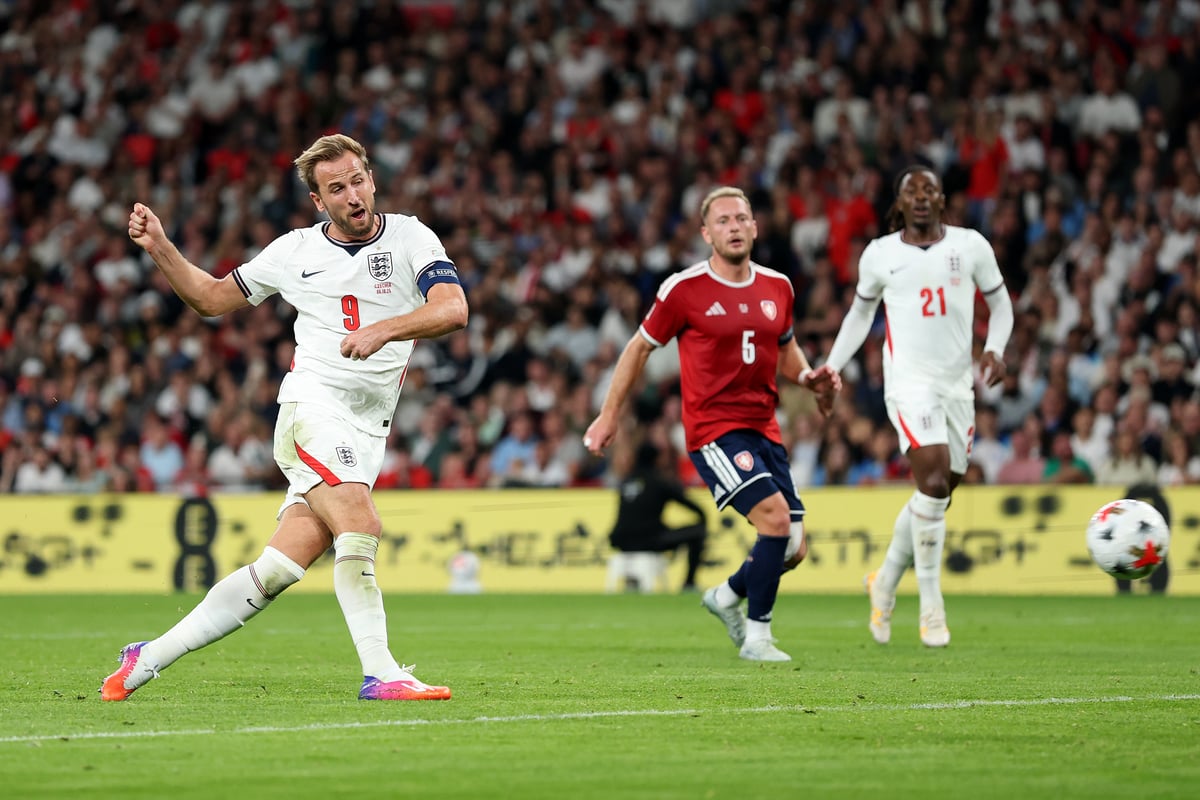
Harry Kane ties Peter Shilton’s England cap record with 125th appearance against the Czech Republic
Harry Kane matched Peter Shilton’s long‑standing England cap record by earning his 125th cap in the match versus the Czech Republic, highlighting the striker’s durability and evolving role within the national side.
By Graham Pettifer · 7 Oct 2026 · 3 min read · United Kingdom edition
 Getty
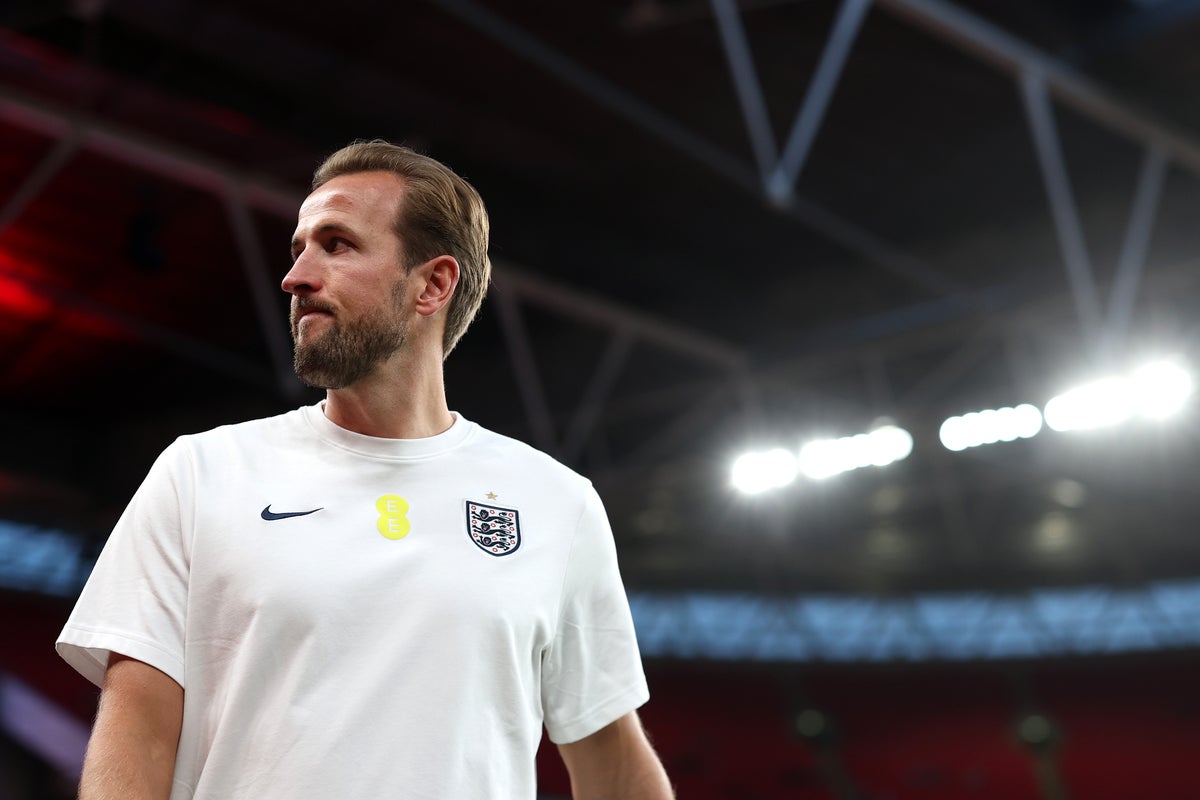
GettyHarry Kane’s 125th cap for England, earned in the recent fixture against the Czech Republic, is a moment that invites reflection on the changing nature of international football careers. By equalling Peter Shilton’s record, the modern centre‑forward joins a lineage traditionally dominated by goalkeepers, a fact that underscores both his personal resilience and the broader evolution of the England squad’s composition over the decades.
The significance of a forward matching a goalkeeper’s cap tally lies partly in the differing physical demands of the positions. Goalkeepers, by virtue of their role, often enjoy longer careers at the international level, while outfield players, especially those tasked with the relentless work of a striker, typically face a more taxing schedule of runs, duels and goal‑scoring pressure. Kane’s achievement therefore signals a shift: contemporary training methods, sports science, and tactical flexibility have extended the longevity of even the most physically demanding roles. It suggests a future where the archetype of the short‑lived international forward may become a relic of the past.
Equally, this milestone offers a lens through which to view England’s approach to player selection and squad continuity. In earlier eras, changes in management and tactical philosophy often resulted in a rapid turnover of caps, particularly for attacking positions. Kane’s sustained presence reflects a period of relative stability in the senior team’s hierarchy, where a clear identity has been forged around a central striker who can adapt to various formations and styles of play. This continuity has allowed him to accumulate appearances at a rate that rivals the longevity once thought exclusive to the goalkeeping department.
The match itself, while not defined by any single statistic beyond the cap tally, serves as a backdrop to a broader narrative about England’s international ambitions. A player who has consistently featured across multiple qualification cycles, tournament campaigns and friendlies brings a wealth of experience that transcends the raw number of caps. Kane’s presence on the pitch embodies a bridge between past and future generations, offering a template for younger forwards aspiring to longevity in the national setup.
From a cultural standpoint, the record‑tying moment also resonates with the English public’s enduring fascination with milestones. While trophy counts dominate headlines, personal achievements such as cap records capture the imagination because they speak to dedication, consistency and an unwavering commitment to representing one’s country. The fact that a striker has now matched a goalkeeper’s long‑held record adds a subtle layer of narrative intrigue, challenging preconceived notions about positional durability.
Looking ahead, the question is not whether the record will be surpassed, but how the conditions that allowed it will evolve. As the game continues to prioritize rotation, squad depth and tactical versatility, players may find themselves sharing the load more evenly, potentially diluting the path to such high appearance totals. Yet, the very fact that a modern striker can achieve this suggests that the barriers are shifting, and that future records may be set by a more diverse range of players.
In sum, Harry Kane’s 125th cap is more than a numeric coincidence; it is a marker of the changing landscape of international football, a testament to the expanding lifespan of outfield players, and a reflection of England’s strategic continuity. Whether future generations will view this as a pinnacle or a stepping stone remains to be seen, but for now, the record stands as a quiet testament to endurance in an ever‑accelerating sport.