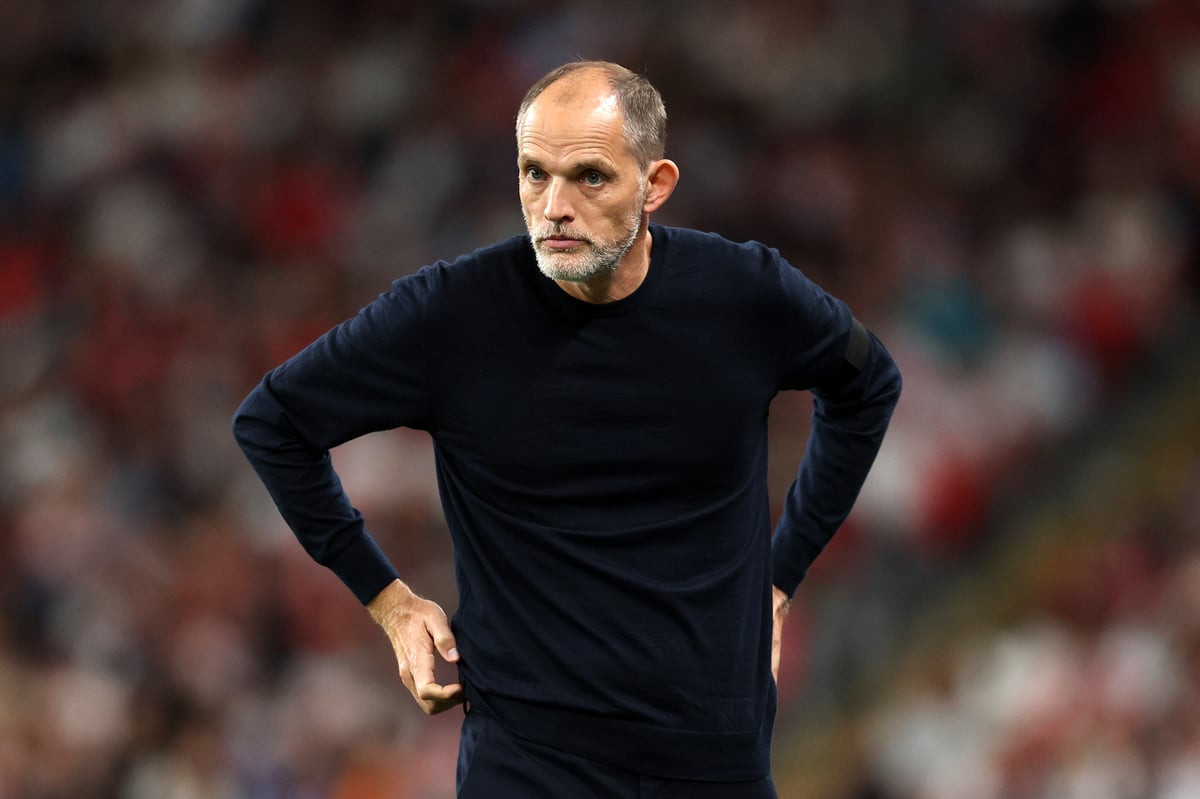
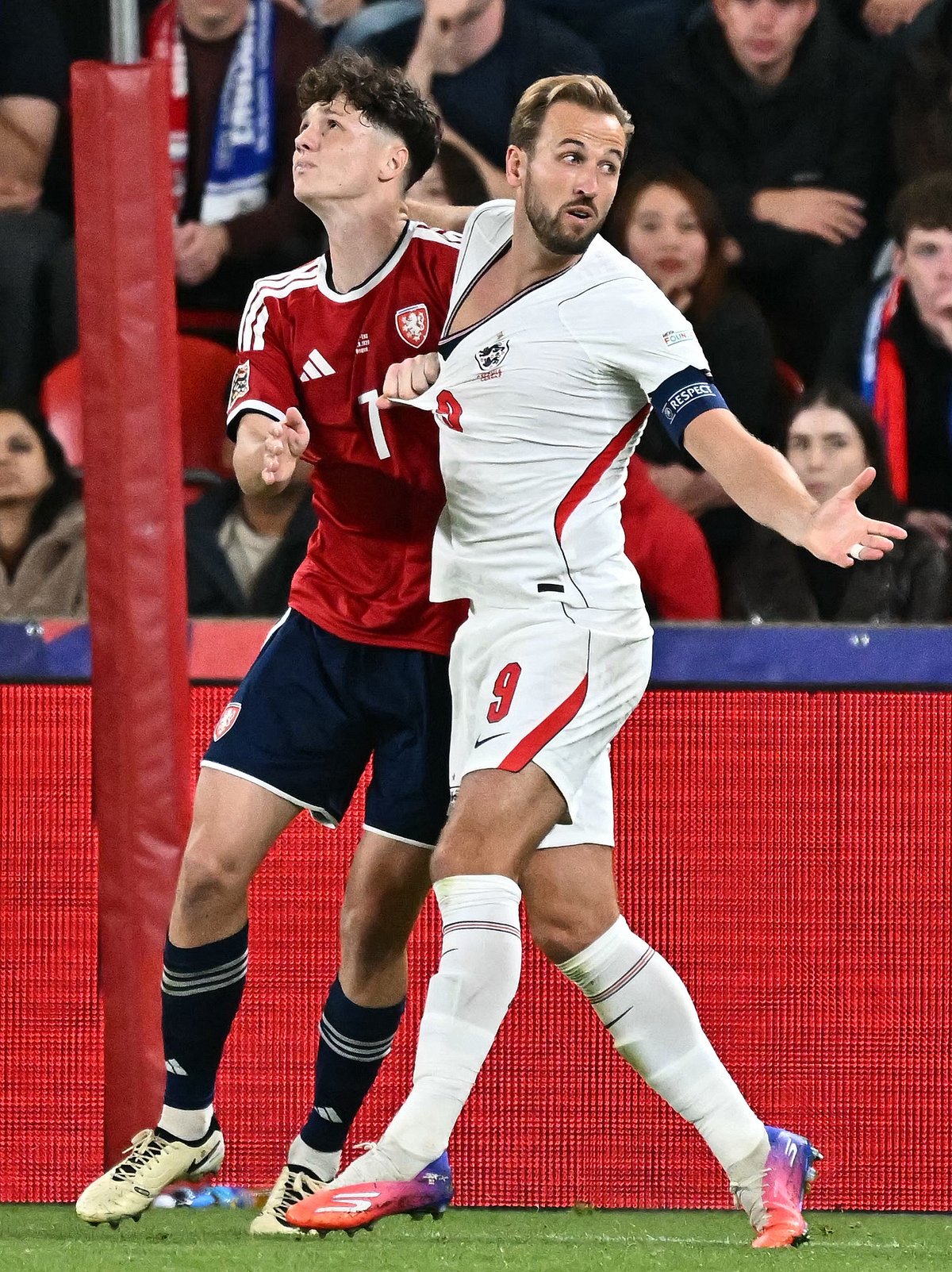
Thomas Tuchel Sticks With England’s Defensive Core Against Czech Republic in Nations League
England faced the Czech Republic in a Nations League clash as coach Thomas Tuchel opted against major defensive reshuffles despite lingering doubts over Ezri Konsa and Nico O'Reilly’s readiness.
By Graham Pettifer · 30 Sept 2026 · 2 min read · United Kingdom edition
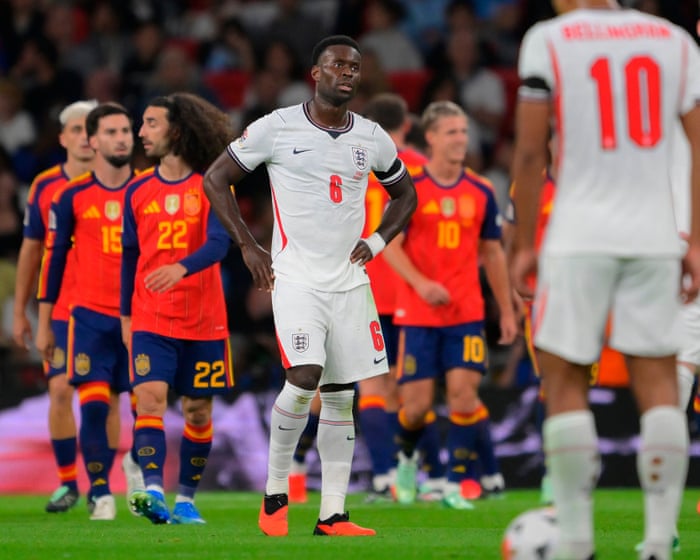 Photograph: Frankie OKeeffe/PPAUK/Shutterstock
England entered the Nations League meeting with the Czech Republic under a cloud of speculation about the back line, yet Thomas Tuchel chose to keep the defensive framework largely intact. The decision was made in the face of lingering questions surrounding the form and fitness of Ezri Konsa and Nico O'Reilly, two players whose recent performances have drawn scrutiny. By fielding a lineup that largely mirrored previous selections, Tuchel signaled a belief in continuity over reactionary tinkering, a stance that speaks to his broader managerial philosophy.
Tuchel’s approach to defensive organization has long favored cohesion and collective understanding above individual flash. In an era where managers often feel compelled to make headline‑grabbing changes at the slightest hint of vulnerability, his restraint can appear almost contrarian. The choice to retain a familiar core suggests a trust in the processes that have been cultivated over recent months, and an expectation that the players will adapt to any lingering concerns through in‑game adjustments rather than a wholesale reshuffle.
The doubts surrounding Konsa and O'Reilly are not unique in England’s recent defensive narrative. The national team has frequently found itself balancing the promise of emerging talent with the reliability of established options. This tension creates a recurring theme: a willingness to test younger prospects, but only when the broader defensive structure feels secure enough to absorb potential growing‑pains. By keeping the overall shape stable, Tuchel allows any individual uncertainties to be mitigated by the unit’s collective rhythm.
From a tactical perspective, the decision carries implications for squad harmony. When a manager signals confidence in the existing group, it can reinforce morale and reduce the anxiety that often accompanies constant personnel turnover. Players understand that their roles are not subject to abrupt revision, which can foster a stronger sense of accountability and partnership on the pitch. Moreover, the message sent to the bench is clear: performance and consistency will be rewarded, but not at the expense of destabilising the defensive balance.
Historically, England’s managers have oscillated between bold overhauls and measured persistence. The pattern that emerges is one of periodic recalibration, yet seldom a complete abandonment of a working system. Tuchel’s current stance aligns with that broader trend, wherein the desire to evolve is tempered by a recognition that abrupt changes can erode the subtle coordination required at the highest level. In that sense, his decision is both a nod to tradition and a statement of personal conviction.
Looking ahead, the outcome of the match will likely influence how far Tuchel is willing to stretch this philosophy. A solid defensive display could validate the choice to stand pat, reinforcing the notion that stability breeds confidence. Conversely, any glaring frailties might prompt a reevaluation of the balance between continuity and necessary adaptation. Regardless of the immediate result, the episode underscores a recurring theme in England’s football journey: the ongoing negotiation between faith in the collective and the pressure to innovate, a dialogue that will continue to shape the team’s evolution in the years to come.