Bruno Fernandes Declares Cristiano Ronaldo Still Portugal’s Biggest Symbol After Squad Walk‑out
Bruno Fernandes said Cristiano Ronaldo remains the greatest symbol of Portugal even after Ronaldo left the national team squad, underscoring the star’s enduring cultural weight.
By Naomi Osei · 4 Oct 2026 · 3 min read · United Kingdom edition
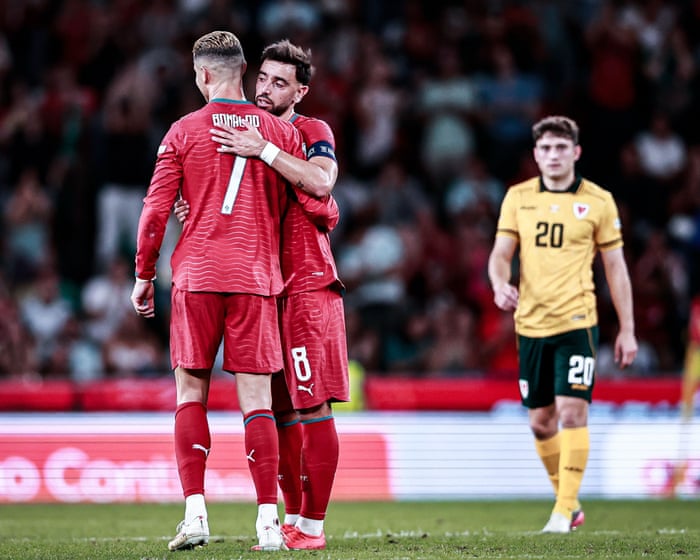 Photograph: João Gregório/NurPhoto/Shutterstock
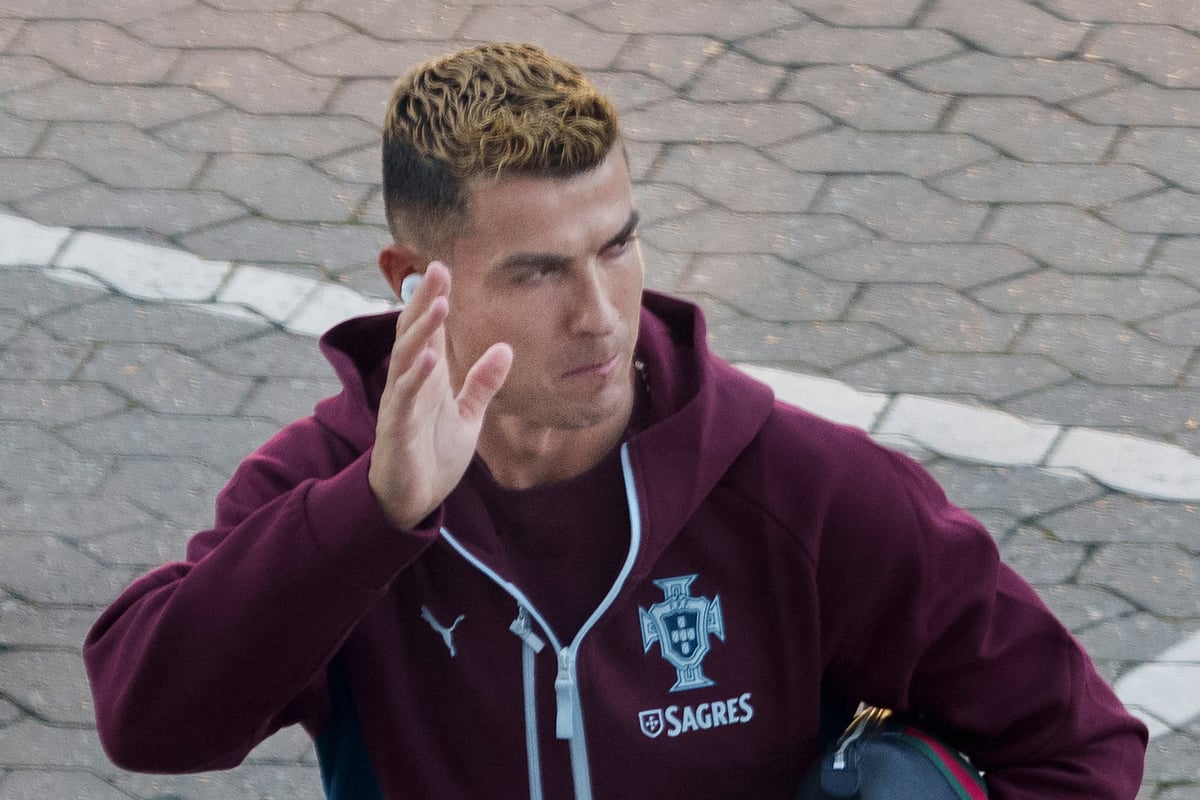
When Bruno Fernandes took to the microphone after Cristiano Ronaldo’s unexpected departure from the Portugal squad, he did more than comment on a roster change; he highlighted the enduring mythos that the veteran forward carries for the nation’s football identity. The midfielder’s observation came against the backdrop of a senior side already wrestling with a generational transition, and it immediately sparked debate about how much a single player can define a national team’s narrative.
Ronaldo’s exit, which was confirmed by two independent outlets, signals a clear fracture in the relationship between the player and the Portuguese Football Federation. While the exact reasons remain private, the act of walking out of a squad is rare for a figure of his stature and suggests a level of dissatisfaction that goes beyond normal professional disagreements. It also forces the federation to confront the reality that its most marketable asset can choose to disengage, raising questions about the balance between on‑field performance and off‑field branding.
Fernandes’ remark that Ronaldo remains the “greatest symbol” of Portugal is not merely a tribute; it is an acknowledgement of the cultural capital the forward has amassed over two decades. Ronaldo’s influence stretches beyond goals and trophies; he embodies a narrative of resilience that resonates in a country that has historically punched above its weight on the world stage. That narrative persists irrespective of his current involvement, and it continues to shape fan expectations, sponsorship deals, and the way young Portuguese players envision their own careers.
From a sporting perspective, the vacuum left by Ronaldo will accelerate the need for a new leadership core. Players like João Félix, Bernardo Silva, and even Fernandes himself are now forced to step into roles that were once comfortably occupied by a single, globally recognized figure. The transition will test the squad’s tactical flexibility and mental cohesion, especially in high‑pressure qualifiers where the psychological lift associated with Ronaldo’s presence has historically been a factor.
The broader implication for Portuguese football is a potential re‑definition of its brand identity. If the national team can succeed without its most iconic player, it may shift from a Ronaldo‑centric narrative to one that emphasizes collective depth and a broader pool of talent. Conversely, a prolonged absence of the superstar could diminish the team’s global marketability, affecting television rights and commercial partnerships that have leaned heavily on his name.
For fans, Fernandes’ comment serves as both comfort and a challenge. It reassures a public that still sees Ronaldo as an emblem of national pride, while also nudging them to accept that the team’s future success will depend on how well it can perform without that emblem. The emotional attachment to Ronaldo is unlikely to fade quickly; his legacy is already enshrined in statues, street names, and a generation of aspiring footballers.
Looking ahead, the Portuguese Football Federation will need to manage the dual task of honoring Ronaldo’s contributions while building a sustainable, post‑Ronaldo identity. How they navigate squad selections, tactical approaches, and public relations will determine whether the nation’s football story can evolve beyond its most celebrated symbol, or whether it remains forever anchored to a single, legendary figure.