Portugal drops Cristiano Ronaldo from Nations League squad after misconduct
The Portuguese Football Federation has removed Cristiano Ronaldo from the national team following disciplinary breaches in recent Nations League matches, ending his involvement in the campaign.
By Naomi Osei · 3 Oct 2026 · 3 min read · United Kingdom edition
 AFP/Getty
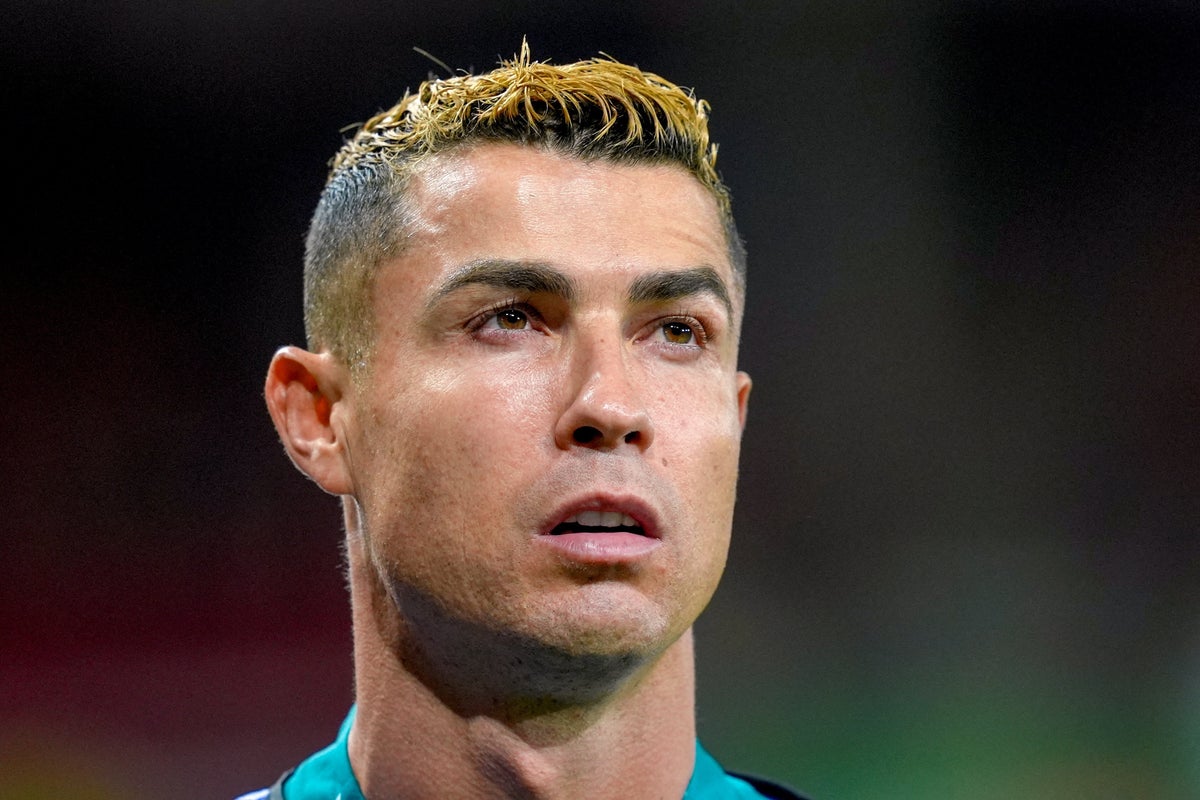
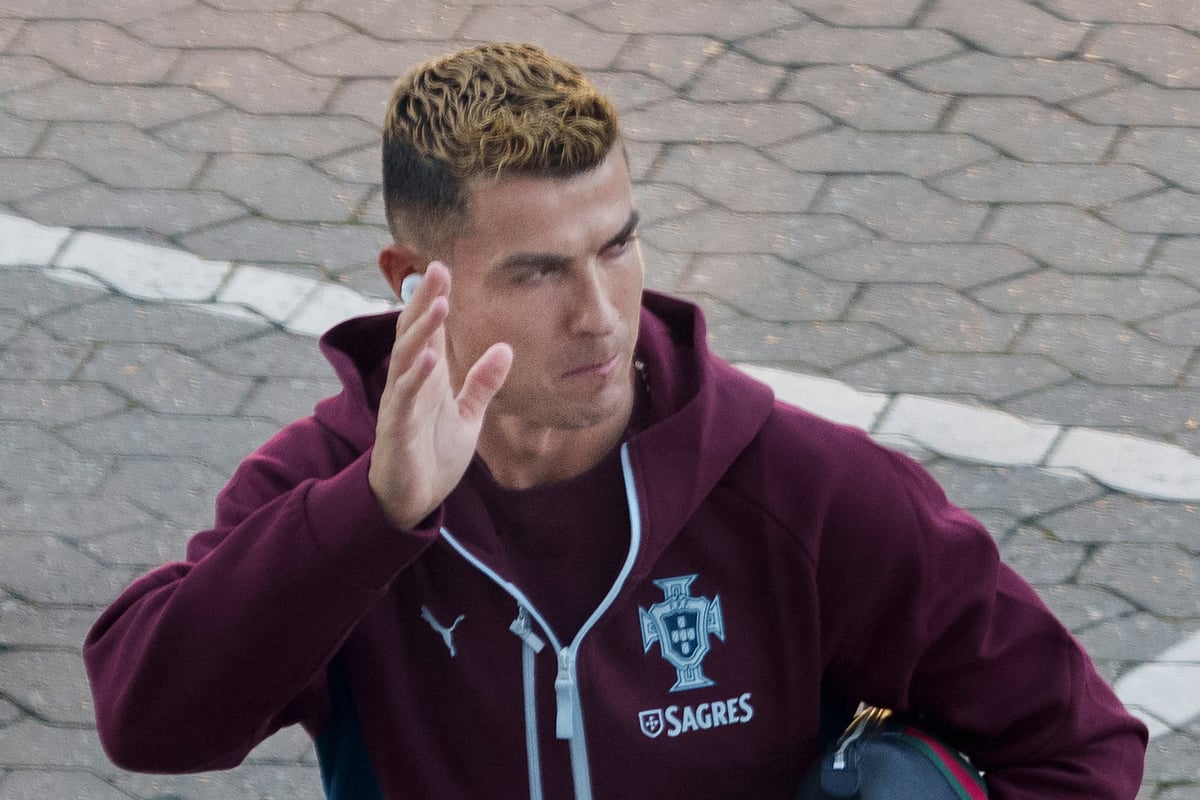
Portugal’s senior national side confirmed on Tuesday that Cristiano Ronaldo will not feature in the remaining fixtures of the Nations League after a series of misconduct incidents in the competition’s latest matches. The decision, taken by the Portuguese Football Federation (FPF), marks a dramatic shift for a team that has long built its attacking identity around the 39‑year‑old’s presence on the pitch.
The move underscores a growing willingness within the FPF to enforce strict behavioural standards, even when they involve the nation’s most iconic player. Historically, disciplinary actions against senior stars have been rare in Portuguese football, but the federation’s leadership has signalled that the integrity of the squad outweighs individual status. By publicly removing Ronaldo, the governing body is drawing a clear line that breaches of conduct will be met with tangible consequences.
From a squad‑building perspective, Ronaldo’s absence creates a vacuum in both leadership and goal‑scoring threat. The captaincy will likely revert to Bruno Fernandes, who already commands a central role in midfield, while forward‑line responsibilities will shift toward emerging talents such as João Félix and Gonçalo Ramos. These players have shown flashes of potency, but they have yet to shoulder the consistent pressure that Ronaldo habitually shouldered in high‑stakes fixtures.
Tactically, the team must adapt to a game plan that no longer relies on a focal point capable of converting a single chance into a goal. Portugal’s recent setups have frequently featured a direct service to the Portuguese striker, exploiting his aerial dominance and positional sense. Without that outlet, the coaching staff will need to diversify their attacking avenues, perhaps emphasizing quicker inter‑changes in the final third and greater involvement from the wing‑backs. The shift could, paradoxically, render the side less predictable and more fluid if managed correctly.
Public reaction has been swift and divided. A substantial portion of the fanbase expressed disappointment, viewing the decision as an over‑reaction that penalises a player who has contributed significantly to the nation’s trophy cabinet. Conversely, many supporters applauded the federation’s stance, interpreting it as a necessary step toward professionalism and accountability. Commercially, the removal of Ronaldo—who commands a global brand—could have short‑term implications for sponsorship visibility, yet the FPF appears prepared to weather any financial ripples in favour of long‑term cultural stability.
Ronaldo’s exclusion also reflects the broader trajectory of his international career. While his goal‑scoring record remains impressive, his physical durability and adaptability have naturally waned with age. The decision may therefore be seen as an acknowledgment that the national team must evolve beyond reliance on a single, aging star, and instead cultivate a more collective identity that can sustain success beyond any one player’s tenure.
Looking ahead, Portugal faces crucial Nations League fixtures that will test the squad’s resilience without its erstwhile talisman. The immediate challenge is to integrate alternative scoring options while maintaining defensive solidity. Should the team manage to secure positive results, it could set a precedent for a new era of Portuguese football—one defined by disciplined conduct and a diversified attacking threat. For Ronaldo, the episode may herald the final chapter of his international journey, prompting reflection on his legacy and the path the national team will chart in his absence.