England U‑15 side walks off World Cup match against Republic of Ireland amid alleged racist remark
England’s under‑15 team left the pitch and the Group C game was abandoned after players reported a racist comment from the opposition, prompting an immediate FIFA investigation.
By Naomi Osei · 26 Oct 2026 (updated 28 Oct 2026) · 2 min read
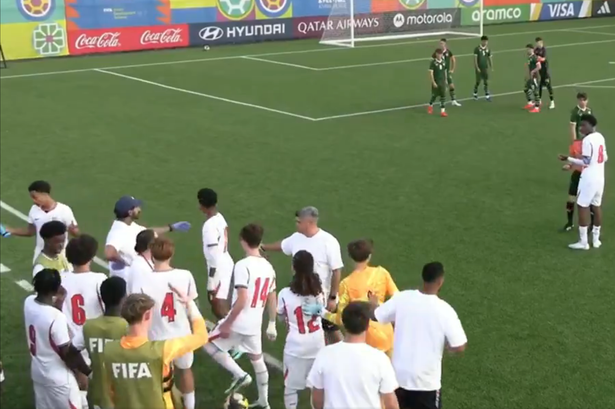 via Mirror Football
The England under‑15 squad left the field during their Group C fixture against the Republic of Ireland at the FIFA U‑15 World Cup, citing an alleged racist remark from an opponent. The decision to abandon the match was taken on the spot, with the Republic of Ireland leading 4-1 in the final minute. The result at the time of the abandonment stands. While the match never reached its natural conclusion, the incident itself has already become a focal point for discussion about safeguarding young athletes in international tournaments.
Under FIFA’s competition regulations, any abandonment triggered by a breach of the code of conduct typically leads to a formal inquiry. The governing body will need to gather statements, review any available footage, and determine whether disciplinary action is warranted. Potential outcomes include sanctions such as fines, suspensions, or even points deductions for the offending federation, depending on the evidence and the severity of the offense. The immediate priority for FIFA will be to conduct a transparent investigation that respects the rights of the minors involved while upholding the sport’s zero‑tolerance stance on racism.
From a tournament perspective, the result stands, leaving Ireland a point clear of England at the top of Group C, with England's last group game against Zimbabwe still to come. The incident may also have a psychological impact on the young players, who are suddenly faced with a high‑profile controversy beyond the usual pressures of competition. Coaches and support staff will need to manage morale and ensure that the players remain focused on the remainder of the tournament despite the disruption.
The incident also shines a light on the broader issue of racism at the youth level. While senior professional football has seen several high‑profile cases, incidents involving under‑15 players remind stakeholders that prejudiced behavior can surface at any age. It underscores the importance of proactive education programmes, strict enforcement of anti‑discrimination policies, and a culture that empowers young athletes to speak up when they encounter abuse. The visibility of this case may prompt national associations to reassess their own preventative measures and reinforce a safe environment for all participants.
What remains unclear are the specifics of the alleged comment, the identity of the player involved, and the exact procedural steps FIFA will follow. Until an official report is released, speculation will fill the gaps, but the focus must stay on a thorough, evidence‑based inquiry. The outcome will set a precedent for how similar situations are handled in future youth tournaments, and it will signal to the global football community how seriously the sport takes the protection of its youngest representatives.