UK to Co‑Host 2035 Women’s World Cup across Four Nations
England, Scotland, Wales and Northern Ireland will jointly host the 2035 FIFA Women’s World Cup, marking a collaborative bid to boost the women’s game across the United Kingdom.
By Graham Pettifer · 24 Nov 2026 · 2 min read
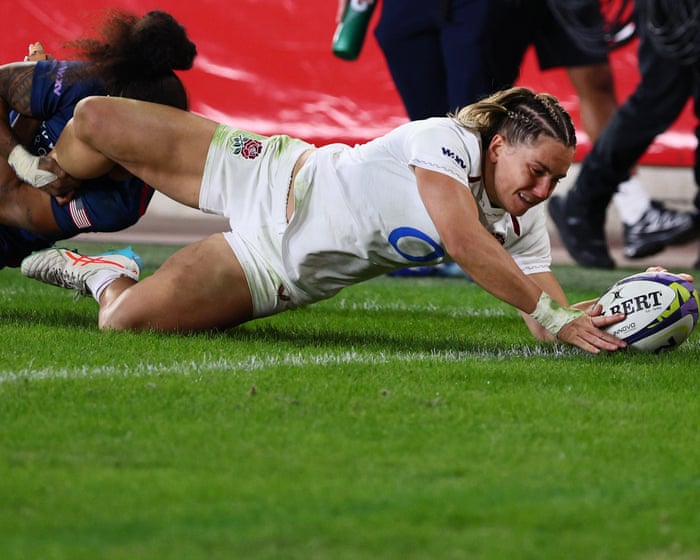
 Photograph: Adam Davy/PA
The announcement that the United Kingdom will serve as a joint venue for the 2035 FIFA Women’s World Cup brings the four home nations together in a single, high‑profile sporting endeavour. England, Scotland, Wales and Northern Ireland will each play a part in delivering the tournament, an arrangement that reflects a growing willingness to share resources and showcase the breadth of football culture across the island.
From a strategic perspective, the co‑hosting model offers a rare opportunity to distribute the logistical load while also giving each nation a platform to highlight its own footballing heritage. The shared responsibility could foster a sense of collective ownership, encouraging local fans to rally behind a tournament that is, in effect, a national project rather than a single‑country affair. This collaborative approach may also set a precedent for future multi‑nation bids, suggesting that the scale of major events can be matched by a coordinated regional effort.
Beyond the operational considerations, the potential societal impact is significant. By placing the women's game at the centre of a major international event, the United Kingdom signals a commitment to expanding participation and visibility for girls and women in sport. The tournament could act as a catalyst for grassroots programmes, inspire a new generation of players, and challenge lingering attitudes that have historically limited the growth of women's football. The visibility of matches across multiple stadiums and cities may also help to embed the sport more deeply within community life.
There are, of course, unanswered questions that will shape the narrative in the years to come. Details regarding the exact venues, scheduling, and the allocation of matches among the four nations remain to be clarified. Moreover, the coordination required to align infrastructure, security, and marketing across separate football associations will test the collaborative spirit that underpins the bid. How each governing body navigates these challenges will influence public perception and the overall success of the tournament.
In the broader context of women's sport, the United Kingdom’s joint hosting bid stands as a noteworthy development. It reflects an evolving landscape where the ambition to host marquee events is matched by a desire to promote inclusivity and long‑term growth. While the final shape of the 2035 Women’s World Cup will unfold over the coming months, the announcement itself underscores a renewed focus on elevating the women's game and harnessing the power of sport to drive societal change.