DP World Tour bans LIV Golf signees from 2027 season
The DP World Tour says any player who signs up to LIV Golf for 2027 will not be allowed to be a member of its circuit that season, telling players they must "make a choice".
By Naomi Osei · 12 Oct 2026 (updated 10 Nov 2026) · 3 min read
 via PerthNow
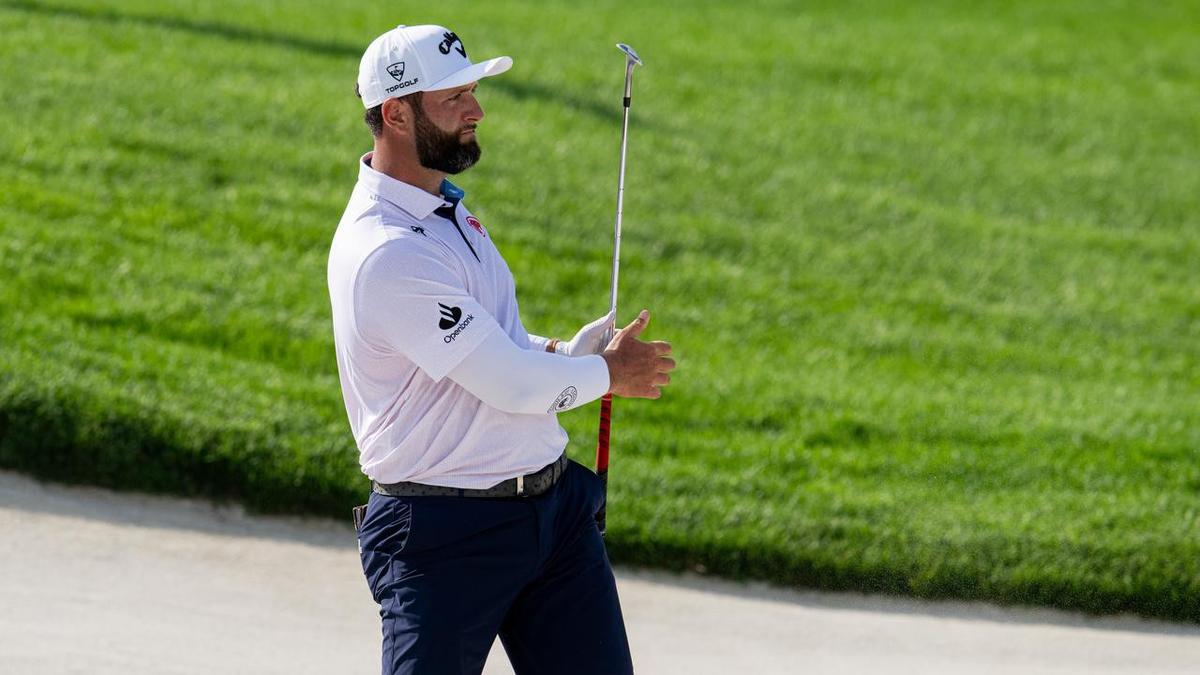
The DP World Tour has drawn a firm line in the sand for the 2027 calendar, stating that any golfer who signs up to LIV Golf for 2027 will not be allowed to be a member of its circuit that season. Some leading players had previously been given conditional releases to play on both circuits, but chief executive Guy Kinnings said players must now "make a choice". This decision marks the latest escalation in the ongoing tug‑of‑war between the established global circuit and the upstart breakaway series, and it puts the onus squarely on players to weigh short‑term financial incentives against long‑term career pathways. For players contemplating a move to LIV Golf, the new rule adds a concrete penalty. Membership of the DP World Tour is required to be eligible for Europe's Ryder Cup team, and LIV players such as Jon Rahm, Tyrrell Hatton, Victor Perez and Tom McKibbin are currently eligible to play on the circuit under one of its membership categories. Deadlines for both tours fall next month, when players will be asked to say which they intend to play on. The calculus now includes the risk of being shut out of the most recognizable venues and the attendant media exposure that has historically driven endorsement deals. While the immediate payout from LIV may be attractive, the loss of access to the DP World Tour could reshape a player's earnings trajectory over the longer term. From the Tour’s perspective, the policy serves both a protective and a signalling function. By enforcing a hard barrier, the organization aims to preserve the integrity of its competitive field and reassure existing sponsors that the product will not be diluted by a mass exodus of top talent. The move also signals to broadcasters and commercial partners that the Tour is taking a proactive stance to safeguard its brand value, even if it risks alienating a segment of its player base. However, the actual impact on the strength of tournament fields remains uncertain; a handful of high‑profile defections could still leave notable gaps, while the majority of players may opt to stay within the established circuit. Legal and governance angles are likely to surface quickly. Players and their representatives may challenge the exclusion on grounds of restraint of trade or argue that the policy conflicts with existing contractual obligations. The DP World Tour will need to demonstrate that its membership criteria are applied consistently and in line with broader sport‑governing regulations. Any protracted dispute could draw further media attention and potentially influence how other tours and governing bodies address similar cross‑tour affiliations. What remains to be seen is how the enforcement will play out and whether any compromise can be reached before the 2027 season begins. The announcement leaves open questions about the timeline for appeals, the criteria used to verify a player’s affiliation with LIV Golf, and the potential for a revised stance if the competitive landscape shifts. For now, the DP World Tour has drawn a clear boundary, and the next few months will reveal whether that line holds firm or becomes a point of negotiation in the evolving power dynamics of professional golf.