Bancroft's sandpaper confession sparks Warner, Lehmann responses
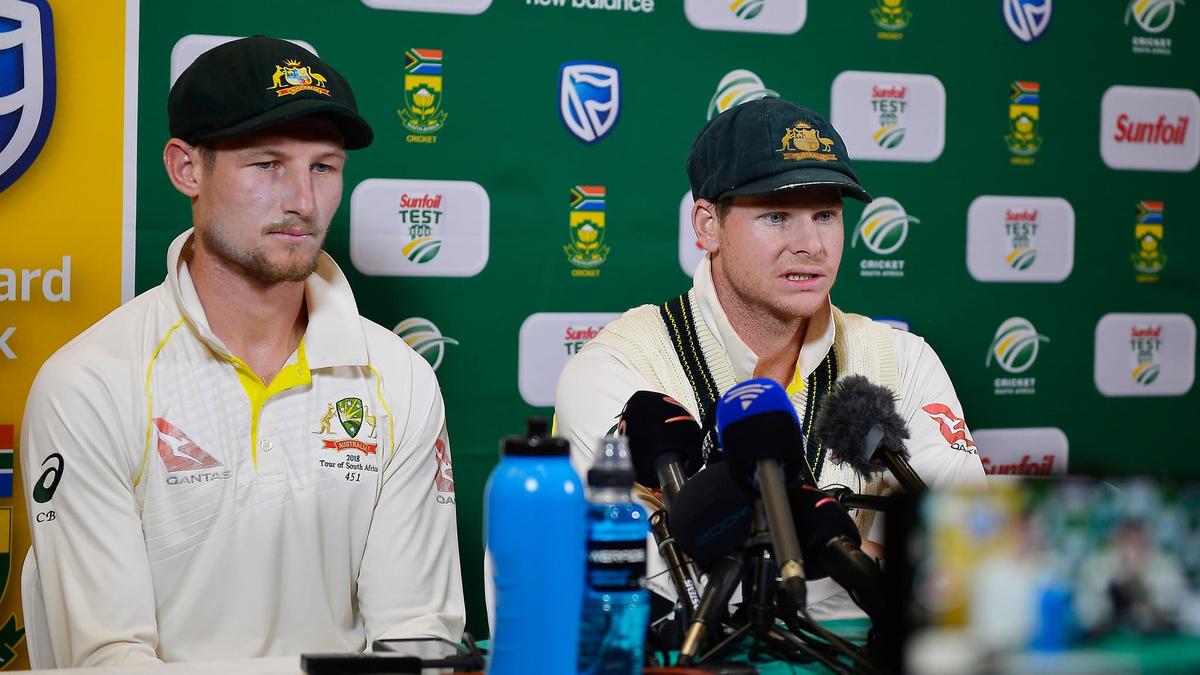
Cameron Bancroft detailed his role in the 2018 sandpaper incident, prompting David Warner to voice support, while former coach Darren Lehmann avoided comment as Cricket Australia plans an independent forum.
By Naomi Osei · 19 Nov 2026 · 2 min read
 via PerthNow
Cameron Bancroft's recent tell‑all about the sandpaper episode that marred Australia’s 2018 South Africa tour has reignited the conversation that has lingered in cricket circles for years. The former opening batsman chose a media platform to lay out his side of the story, a move that inevitably draws reactions from the players and officials who were in the room at the time. His disclosure is not a new revelation of facts, but rather a personal narrative that attempts to contextualise his actions and the pressure he faced.
One of the most notable responses came from David Warner, Bancroft’s former opening partner. Warner’s public comment expressed a willingness to let his teammate speak his truth, framing the interview as a chance for Bancroft to unburden himself. While Warner does not directly address the specifics of the incident, his supportive tone signals an inclination to move beyond the controversy and perhaps to restore a sense of camaraderie within the group. For a player who has been at the centre of the saga, this stance may be read as an attempt to close a painful chapter, or at the very least to offer a conciliatory gesture to a fellow professional.
In contrast, former Australian coach Darren Lehmann chose to sidestep the issue. By declining to comment and indicating he needs time to formulate a response, Lehmann underscores the delicate nature of the ongoing debate. His avoidance suggests that, for some former staff, the fallout remains a sensitive topic that could still affect reputations and relationships. The decision to wait also leaves room for a more measured response, perhaps reflecting the complexities of accountability when multiple parties were involved.
Adding another layer, Cricket Australia CEO Todd Greenberg announced the creation of an independent forum to hear from everyone linked to the 2018 tour. This development signals an institutional acknowledgement that the matter has not been fully resolved. An independent setting could provide a structured avenue for testimonies, potentially yielding a more comprehensive understanding of the events and offering a platform for healing. It also indicates that the governing body is still managing the legacy of the incident and is responsive to the renewed public interest generated by Bancroft’s narrative.
Finally, a teammate from the 2018 tour publicly praised Bancroft’s courage in speaking out. That endorsement points to a broader sentiment among some members of the squad that the truth-telling process, however uncomfortable, is a necessary step toward closure. The combination of supportive, evasive, and institutional reactions illustrates the multifaceted impact of Bancroft’s confession. While the episode may not rewrite cricket history, it does highlight how personal narratives intersect with collective memory, and how the sport continues to grapple with its past missteps while looking for pathways to reconciliation.