Wayne Rooney admits he contemplated suicide at Manchester United
Former England striker Wayne Rooney revealed that while playing for Manchester United he reached a low point and considered ending his life, prompting calls for better mental‑health support in elite football.
By Naomi Osei · 17 Nov 2026 · 2 min read
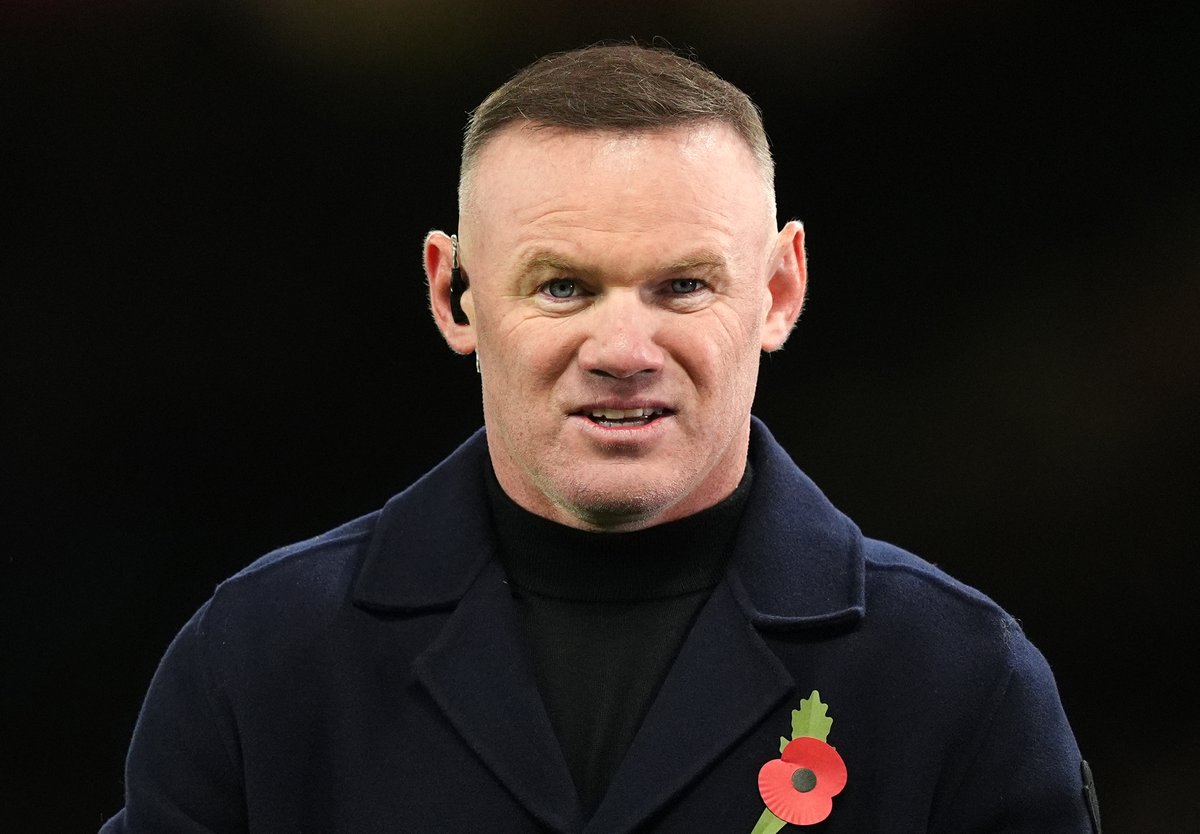 PA
Wayne Rooney, the former England forward, has publicly disclosed that during his spell with Manchester United he experienced a period of profound personal distress that led him to contemplate suicide. The admission comes from two independent outlets, confirming that the former star spent days drinking at home and eventually sought professional help. This revelation adds a deeply personal dimension to a career often defined by on‑field achievements and high‑profile moments.
The fact that such a prominent figure in the modern game faced a mental‑health crisis underscores the intense pressures that accompany elite football. The demands of constant performance scrutiny, media attention, and the expectations tied to a globally recognized club can create an environment where personal struggles are easily eclipsed. While the details of Rooney’s experience remain limited, the admission itself signals that the pressures of top‑level sport can intersect with mental‑health vulnerabilities in ways that are not always visible to fans or pundits.
Rooney’s openness carries significant weight because it challenges longstanding stigmas around mental health within the sport. When a player of his stature acknowledges that he reached a “lowest point” and considered taking his own life, it forces clubs, governing bodies, and supporters to confront the reality that even the most successful athletes are not immune to psychological distress. The conversation now has a tangible face, making it harder for institutions to ignore the need for robust support structures.
The timing of the disclosure—coming after Rooney’s playing days—highlights that mental‑health challenges can persist beyond an athlete’s active career. It also raises questions about the adequacy of the support he received while still under contract and whether sufficient aftercare exists for former players transitioning out of the sport. The limited information leaves many specifics unknown, but the core message is clear: mental‑health assistance must be an integral, ongoing component of a player’s welfare, not a reactive measure.
In the broader context, Rooney’s statement aligns with a growing trend of athletes speaking openly about psychological struggles, from footballers to athletes in other disciplines. This collective voice is beginning to shift the cultural narrative, pushing clubs and leagues toward proactive mental‑health policies, dedicated professionals, and destigmatizing dialogue. As the sport continues to evolve, the responsibility to safeguard the well‑being of its participants extends beyond the pitch, and Rooney’s revelation may serve as a catalyst for lasting, systemic change.