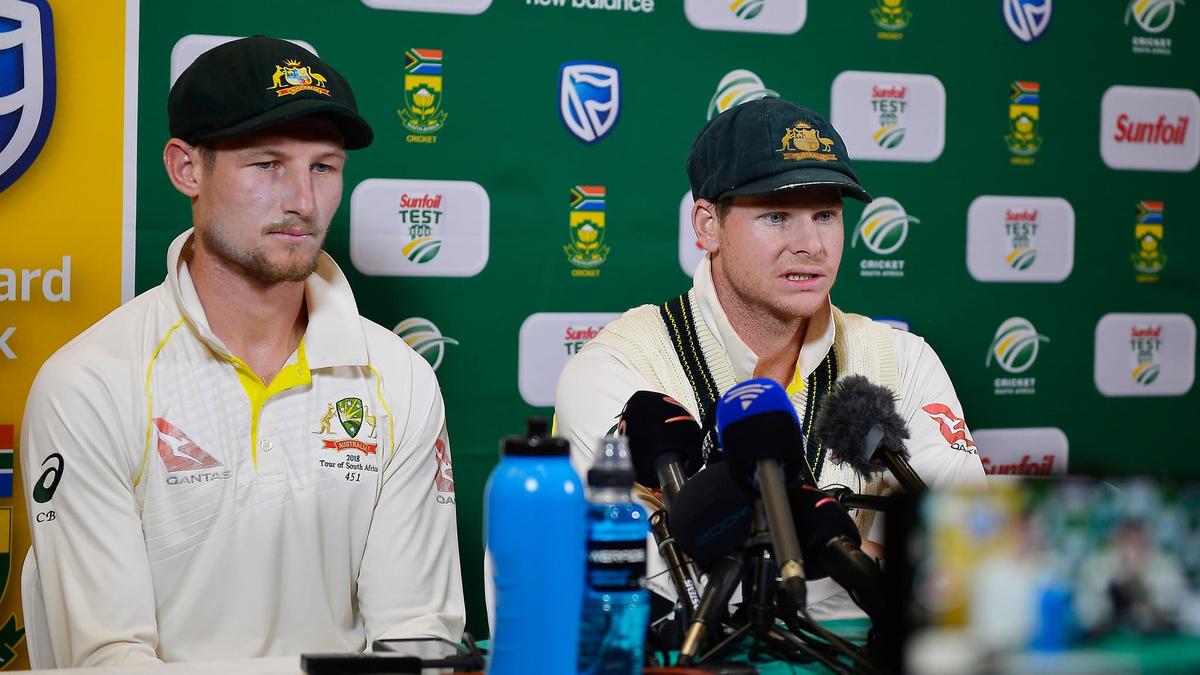
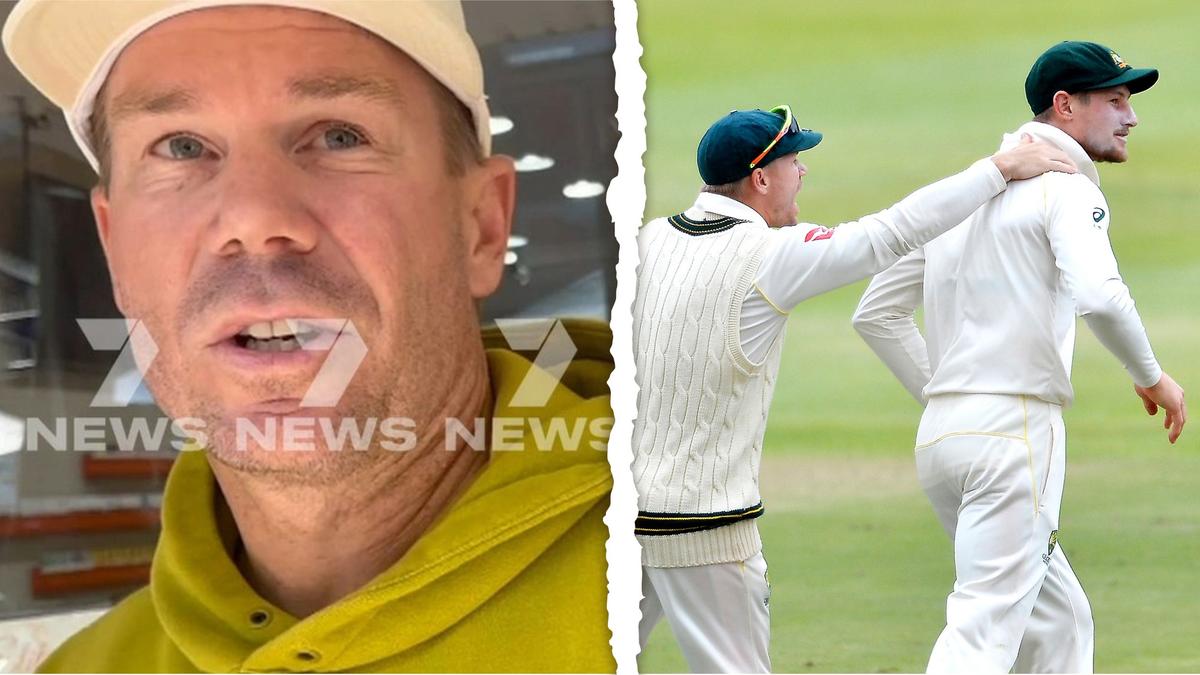
David Warner slams journalists as Sandpapergate forum looms
David Warner accused journalists of bullying over the sandpaper scandal while barrister Fiona McLeod is set to lead a public forum on the issue, with Pat Cummins pushing back on calls for collective responsibility.
By Bethan Vaughan · 26 Nov 2026 · 2 min read
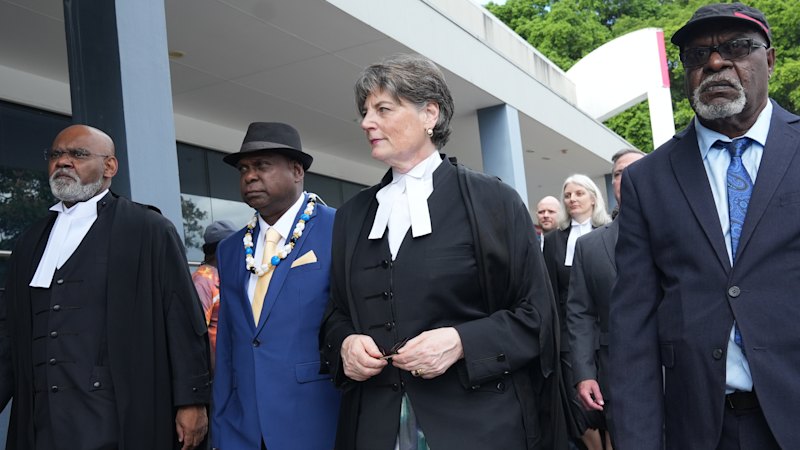 via Sydney Morning Herald
David Warner’s latest social‑media volley has put the sandpaper scandal back into the daily conversations of supporters across the country. By calling out the press for what he describes as bullying, Warner has tapped into a vein of frustration that many fans have felt for months – a sense that the story has been driven more by speculation than by hard facts. For those who have watched the saga unfold, his criticism feels like a rare moment of a player speaking directly to the media that has been dissecting every rumor. It also raises the question of how much the relationship between the squad and the press can survive the ongoing scrutiny.
At the same time, the appointment of barrister Fiona McLeod to chair a forum on the sandpaper issue adds a new layer of intrigue. McLeod has been handed sweeping powers to decide how much of the discussion will be made public, a move that has left supporters both hopeful and wary. On the one hand, fans want transparency – a clear picture of what happened and why – and the idea of an independent figure steering the conversation is reassuring. On the other, the promise of limited disclosure feels like a potential curtain‑call, especially for those who have been waiting for answers that could finally put the episode to rest.
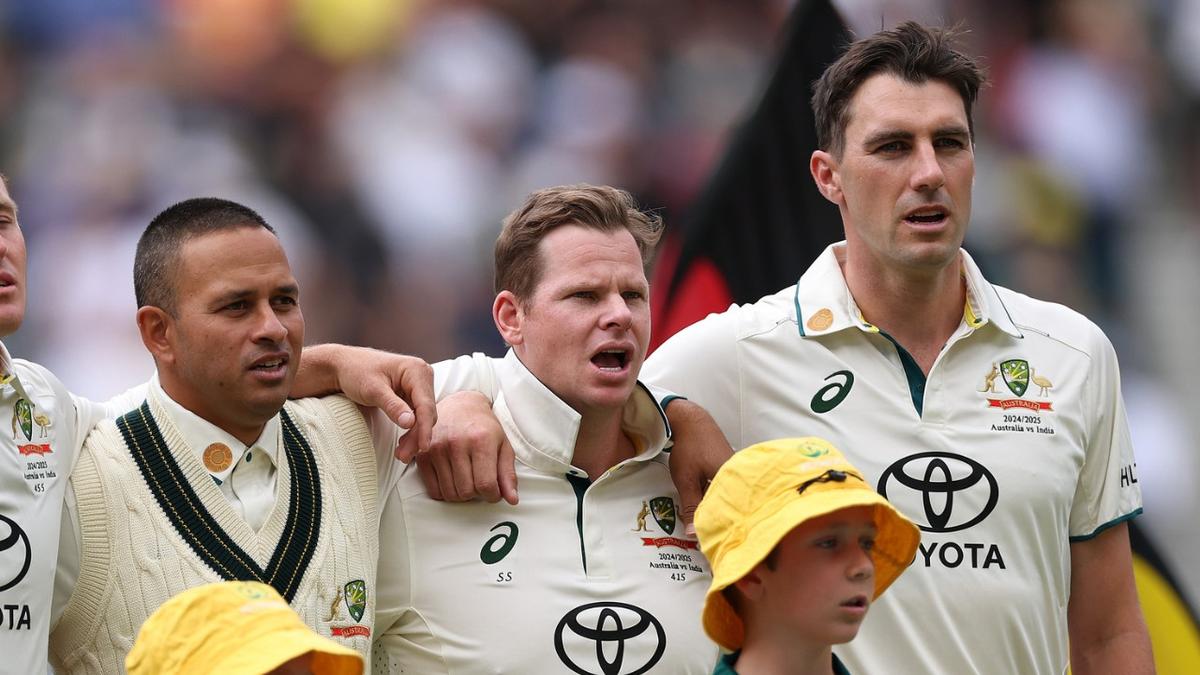
Pat Cummins’ reaction to Usman Khawaja’s plea for collective responsibility introduces another wrinkle. Cummins has pushed back against the notion that the entire group should share the blame, a stance that resonates with a section of the fanbase that sees individual accountability as more appropriate. For many supporters, the debate over collective versus individual responsibility mirrors wider conversations about team culture and leadership. Some feel that pointing the finger at everyone dilutes the seriousness of the original wrongdoing, while others argue that a united front could help the team move past the controversy faster.
From a supporter’s perspective, the stakes are less about legal outcomes and more about trust. The sandpaper scandal has already left a dent in the public’s perception of the team’s integrity, and every new development is measured against the desire for honesty and closure. Fans are watching not only how Warner’s comments will affect media coverage, but also how McLeod’s forum will handle the balance between openness and protection of sensitive details. The outcome could set a precedent for how future off‑field issues are managed, influencing the relationship between players, administrators, and the press.
All eyes are now on the upcoming forum and on Warner’s next move. Supporters will be looking for signs that the truth is finally surfacing, that the media can be held to account without turning into a battlefield, and that the team can refocus on the sport itself. Until then, the conversation will keep swirling on social feeds, in local pubs, and around the kitchen table, with each new comment adding another piece to a story that still feels very much unfinished.