England’s 3-2 Nations League loss to Spain lays bare lingering doubts
England fell 3-2 to Spain in the Nations League, prompting Thomas Tuchel’s harsh critique and a missed penalty from Harry Kane.
By Graham Pettifer · 28 Sept 2026 · 3 min read · United Kingdom edition
 Getty
GettyEngland entered the Nations League clash with Spain hoping to reassert the attacking flair that has defined its recent identity, yet the 3-2 defeat left the team looking unbalanced and exposed. From the opening whistle the match unfolded as a tense contest of possession and counter‑attack, with both sides trading blows. When the final whistle sounded, the scoreboard told a simple story, but the underlying narrative was far richer, prompting a chorus of criticism that reached beyond the result itself.
The disappointment in England’s performance is not an isolated incident but rather part of a broader pattern of fluctuation that has marked the side’s recent international outings. In tournaments and qualifiers alike, the team has demonstrated moments of brilliance that quickly give way to lapses in concentration and cohesion. This oscillation between high‑energy bursts and unsteady stretches has become a recurring theme, suggesting that the squad is still searching for a stable formula that can consistently translate talent into results.
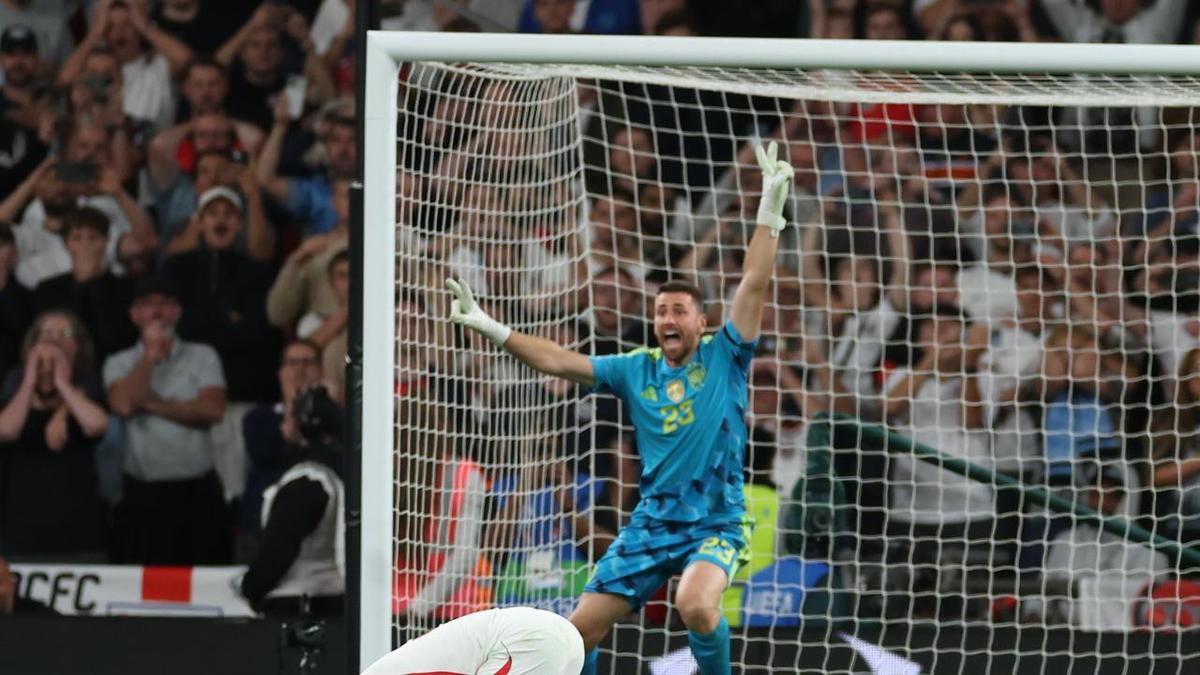
Harry Kane’s missed penalty stood out as a microcosm of that broader inconsistency. As the designated spearhead, his composure in set‑piece situations has often been a barometer of England’s attacking confidence. The failure to convert from the spot not only altered the immediate scoreline but also underscored a lingering psychological edge that can tilt tight encounters. In a game where the margin of victory was slim, the missed opportunity amplified the sense that small details are now deciding factors for England’s fortunes.
Thomas Tuchel’s outspoken criticism added another layer to the post‑match discourse. The German coach, known for his meticulous approach, did not mince words when assessing the English display, highlighting deficiencies in organization and intensity. While his remarks may seem severe, they reflect a growing impatience among observers who expect a national side of England’s stature to exhibit a higher degree of tactical discipline. Tuchel’s perspective, though external, resonates with the internal pressure felt by players and staff to deliver a performance that matches the nation’s footballing pedigree.
The England‑Spain rivalry, long celebrated for its technical intrigue and occasional drama, has once again reminded fans why it remains a fixture of international intrigue. Beyond the immediate score, the encounter rekindled a historical dialogue between two footballing cultures that value possession, creativity, and strategic nuance. While the latest chapter adds a fresh layer of disappointment for England, it also reaffirms the depth of the rivalry, where each meeting serves as a benchmark for progress and a catalyst for reflection.
Looking ahead, the defeat carries practical implications for England’s trajectory in the Nations League and its broader competitive calendar. The loss not only places the team in a precarious position within its group but also raises questions about squad selection and tactical adjustments before upcoming fixtures. With qualification pathways and seeding considerations at stake, the management will likely weigh whether to reinforce defensive solidity, encourage greater attacking risk, or seek a hybrid approach that can restore balance.
In sum, England’s 3-2 setback against Spain serves as a reminder that talent alone does not guarantee success; consistency, mental resilience, and strategic clarity are equally vital. The episode may act as a turning point, prompting a reassessment of on‑field roles and off‑field expectations. If the team can translate the lessons from this loss into constructive change, it may yet rediscover the rhythm that once made it a feared opponent on the international stage.