Lionel Messi Takes Majority Stake in Spanish Second‑Division Club CD Eldense
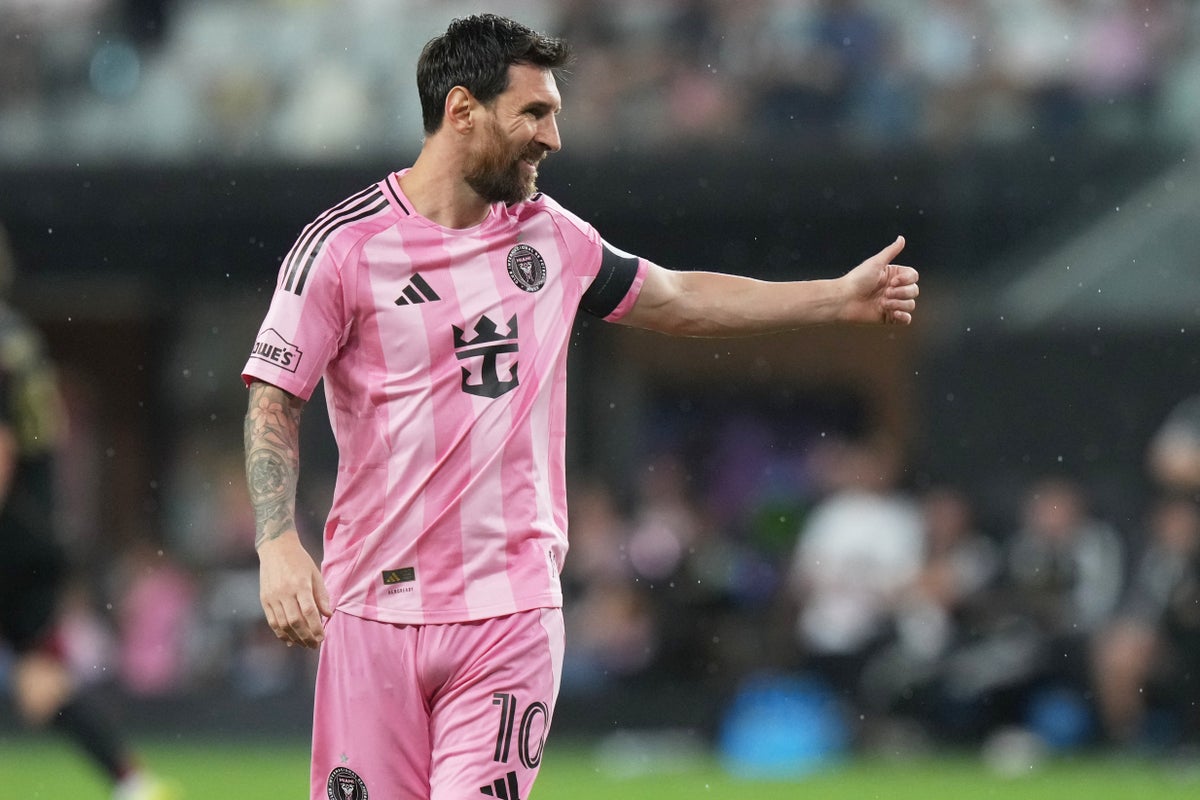
Lionel Messi has become the majority owner of CD Eldense, the Segunda División side, marking a rare move by the global football icon into club ownership.
By Priya Anand · 2 Oct 2026 · 3 min read · United Kingdom edition
 AP
APLionel Messi’s acquisition of a controlling interest in CD Eldense sent a ripple through the football world, not merely because of the sheer star power involved but because it places one of the game’s most recognizable faces at the helm of a club that has spent most of its recent history outside the limelight of La Liga. The Argentine legend’s name now sits atop the board of a team that, until this week, was better known for its modest stadium and regional rivalries than for international headlines.
The significance of the move lies as much in Messi’s personal brand as it does in the strategic potential for a Segunda División outfit. Messi has been synonymous with on‑field excellence for more than a decade, and his global appeal brings a level of commercial attention that even the biggest clubs in Spain occasionally struggle to secure. For CD Eldense, the Messi effect could translate into new sponsorship opportunities, higher merchandising revenue, and a surge in media coverage that extends far beyond the usual regional outlets.
CD Eldense’s own story is one of perseverance in the shadow of Spain’s football giants. The club has oscillated between the third tier and the fringes of the second tier for much of its modern era, often battling limited resources and a modest fan base. Their recent promotion to the Segunda División was a hard‑won achievement, and the arrival of a figure like Messi could be a catalyst for consolidating that status, but it also raises questions about the sustainability of any rapid expansion that fame alone might inspire.
From a financial perspective, Messi’s ownership is likely to open doors that were previously closed. A name that commands global attention can attract investors, corporate partners, and perhaps even a new wave of supporters willing to travel for a chance to see the legend’s crest on a match‑day program. However, the reality of operating a club in Spain’s second tier—where budgets are tight and competition for promotion is fierce—means that any influx of capital must be balanced against the structural demands of the league, including wage caps and the need for prudent squad building.
The flip side of heightened expectations cannot be ignored. Fans and pundits alike may begin to imagine a swift climb to La Liga, while the club’s existing infrastructure may need time to adjust to the increased scrutiny. Messi’s involvement could inadvertently place a magnifying glass over every transfer decision, coaching appointment, and on‑field result, creating a pressure cooker that is rarely felt by clubs of Eldense’s size. Managing that pressure will be as much a test of the club’s internal governance as it is a test of the new owner’s willingness to let football professionals run day‑to‑day affairs.
Messi’s foray into ownership is part of a broader, albeit still limited, trend of elite players moving into club management after hanging up their boots. The likes of David Beckham, Andrea Pirlo and former Barcelona captain Xavi have all taken stakes in clubs across Europe, using their reputations to lift the profiles of modest teams. Messi’s decision adds a new chapter to that narrative, suggesting that the allure of shaping a club’s destiny can be as compelling as the thrill of scoring the winning goal.
Looking ahead, the true impact of Messi’s majority ownership will be measured not by headlines but by the club’s ability to translate newfound attention into tangible progress on the pitch. If CD Eldense can leverage the Messi brand to improve facilities, attract promising talent and build a sustainable model, the partnership could become a blueprint for other lower‑league clubs seeking to punch above their weight. For now, the football world watches with a mixture of curiosity and caution, aware that the journey from superstar player to effective club owner is as fraught with challenges as it is filled with possibilities.