Etihad Airways Threatens Legal Action in Manchester City‑Premier League Standoff
Etihad Airways has warned it may take legal steps or side with Manchester City in its dispute with the Premier League, intensifying a clash over commercial terms.
By Graham Pettifer · 1 Oct 2026 · 3 min read · United Kingdom edition
 Photograph: Alan Smith/Alamy
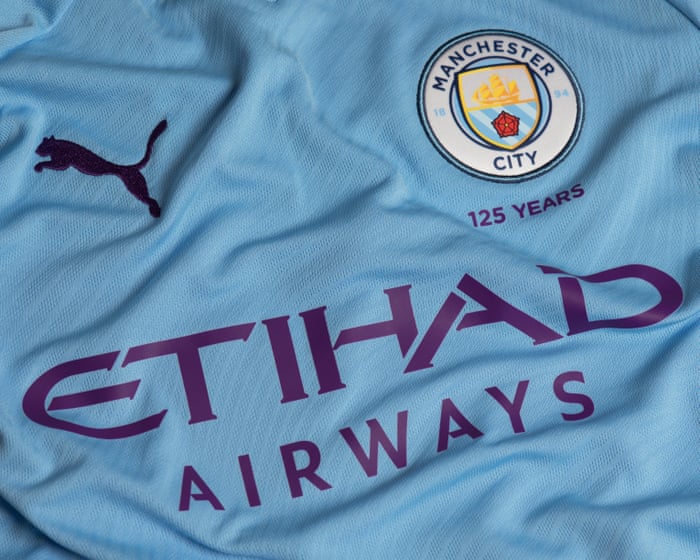
Etihad Airways has signalled a willingness to move beyond the usual role of a sponsor by threatening legal action or aligning itself with Manchester City in a brewing confrontation with the Premier League. The development places a high‑profile airline at the centre of a dispute that touches on the very architecture of English football’s commercial framework, and it does so at a moment when the sport’s financial ecosystem is under intense scrutiny. For a sponsor that has long been synonymous with the club’s brand, the shift from quiet backing to overt advocacy marks a notable escalation.
The relationship between elite clubs and their corporate partners has always been a delicate balance of mutual benefit and strategic alignment, yet recent years have seen the balance tilt toward more assertive involvement. Sponsors now demand not only visibility but also influence over decisions that affect the value of their investment. When a sponsor threatens to use the courts as a lever, it underscores how intertwined brand equity and league policy have become. Etihad’s stance reflects a broader trend where commercial allies are no longer content to watch from the sidelines; they are prepared to intervene when they perceive a threat to the return on their partnership.
From the league’s perspective, the Premier League has cultivated a reputation for protecting its own commercial interests, often negotiating revenue distribution and broadcast arrangements with an eye toward collective stability. However, that protective posture can clash with the ambitions of clubs that see themselves as engines of growth and innovation. The current standoff illustrates a recurring tension: clubs seeking greater autonomy over financial matters versus a league that favours a unified front. When a sponsor steps into the fray, it adds a new dimension to an already complex power dynamic.
What is particularly striking about Etihad’s involvement is the way it blurs the line between corporate sponsorship and stakeholder activism. Historically, sponsors have been silent beneficiaries, but the modern corporate climate encourages brands to protect their reputations and investments more aggressively. In aligning with Manchester City’s position, Etihad is effectively signalling that its commercial relationship is contingent on broader governance outcomes, a message that could reverberate across other high‑profile partnerships.
The potential ramifications of this confrontation extend beyond the immediate parties. Should Etihad pursue legal avenues, the precedent set could embolden other sponsors to adopt a similarly confrontational posture, potentially reshaping the negotiation landscape for future league agreements. Conversely, a negotiated settlement that incorporates sponsor concerns could usher in a more inclusive model of decision‑making, where commercial partners have a formal voice in shaping policy.
The outcome will likely hinge on the willingness of both the Premier League and Manchester City to accommodate the sponsor’s demands without compromising the league’s overarching strategic goals. A protracted legal battle could attract unwanted public attention and distract from on‑field priorities, while a collaborative resolution might reinforce the notion that modern football operates as a partnership ecosystem rather than a hierarchy of authority.
In the final analysis, the Etihad‑Manchester City episode serves as a microcosm of the evolving power structures within the sport. As clubs continue to grow into global brands and sponsors become increasingly protective of their stakes, the traditional boundaries separating sporting governance from commercial interests are dissolving. How the parties navigate this juncture will offer a glimpse into the future of football’s business model, where legal threats and collaborative negotiations may both become part of the regular lexicon.