Manchester City Chairman Defends Club After Premier League Financial Breach Verdict
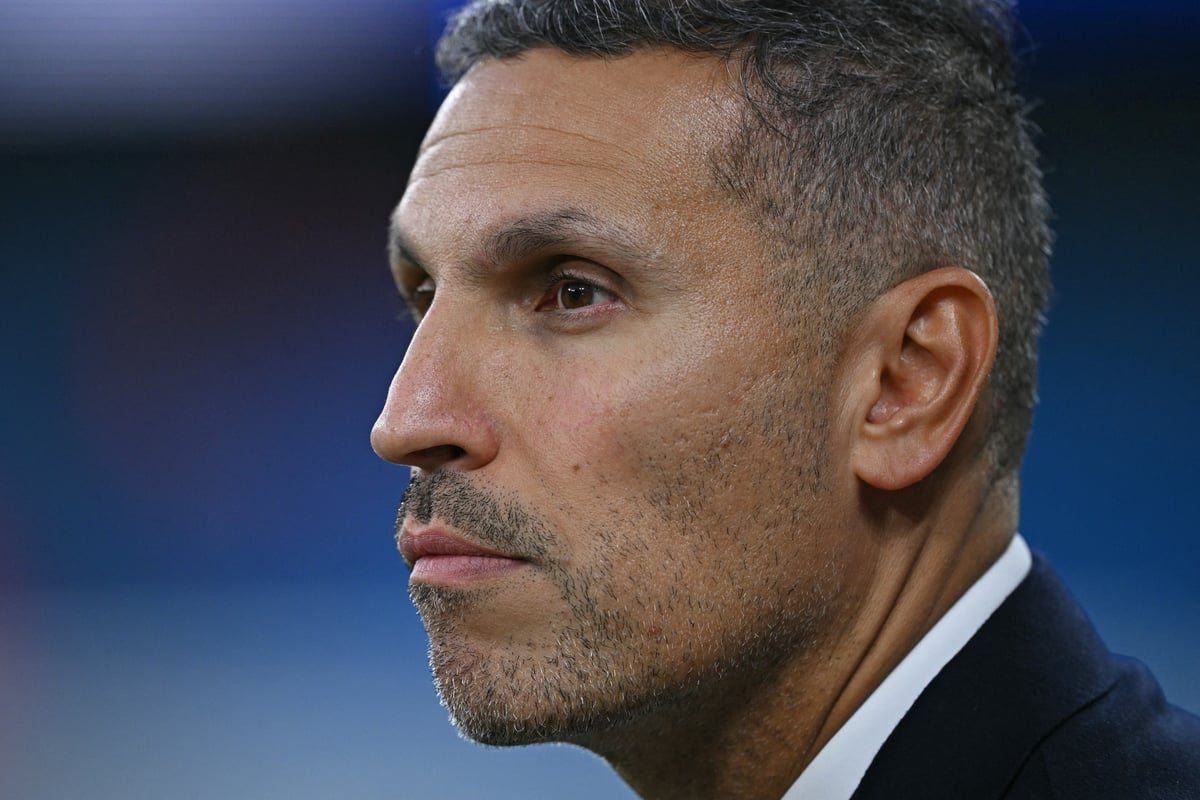
Khaldoon Al Mubarak has publicly defended Manchester City following the Premier League’s ruling that the club breached its financial regulations.
By Graham Pettifer · 27 Sept 2026 · 3 min read · United Kingdom edition
 AFP/Getty
Manchester City found itself at the centre of a regulatory storm this week when the Premier League concluded that the club had broken its financial rules. Chairman Khaldoon Al Mubarak stepped forward to defend the organisation, insisting that the breach did not reflect a fundamental flaw in the club’s ethos. The public defence was measured, focusing on the club’s commitment to the sport rather than on the specifics of the penalty. In an era where financial scrutiny is a constant companion to on‑field success, the episode offers a useful lens on how elite clubs manage the twin pressures of ambition and compliance.
Financial governance has long been a recurring theme in English football, with clubs of varying stature periodically finding themselves under the league’s microscope. The pattern is less about isolated incidents than about an evolving relationship between sporting bodies and the commercial realities of modern clubs. Over the decades, the balance has shifted: where once financial concerns were peripheral, they now sit at the core of league policy, reflecting broader societal expectations about transparency and fiscal responsibility. Manchester City’s recent ruling therefore sits within a continuum of clubs navigating an increasingly sophisticated regulatory environment.
Al Mubarak’s role in the defence mirrors a broader trend where club chairpersons become the public face of institutional accountability. The modern chairman is expected not only to steer strategic direction but also to articulate a narrative that reassures supporters, sponsors, and governing bodies alike. In doing so, they often frame breaches as technicalities or administrative oversights rather than systemic failures. This approach, while pragmatic, also underscores the delicate act of preserving a club’s reputation while acknowledging the seriousness of league findings.
The tension between an ambitious growth model and strict financial compliance is a familiar one for clubs that have pursued rapid on‑field success. The allure of competing at the highest level brings with it substantial investment in player wages, transfers, and infrastructure. Yet each of these elements is subject to the league’s financial monitoring mechanisms. When a club’s spending outpaces its revenue streams, the risk of breaching the rules escalates. The current situation highlights how clubs must continually calibrate their financial strategies to stay within the parameters set by the governing bodies, even as they chase trophies and global brand expansion.
From the league’s perspective, the enforcement action signals an ongoing commitment to a level playing field. Over time, the Premier League has refined its financial oversight tools, moving from simple audits to more nuanced assessments of sustainability. The goal is to prevent a race to the bottom where fiscal imprudence undermines the competition’s integrity. By imposing sanctions, the league reinforces the principle that financial stewardship is as essential to a club’s identity as its on‑field tactics.
Looking ahead, the ruling may prompt Manchester City to reassess certain aspects of its financial planning. A measured response from the chairman suggests an intention to address the breach without allowing it to derail the club’s broader objectives. The club’s capacity to adapt its budgeting practices, negotiate with stakeholders, and maintain its competitive edge will be tested in the coming months. How it integrates the league’s feedback into its operational model could set a precedent for similarly positioned clubs.
Ultimately, the episode illustrates a persistent theme in football’s modern era: the negotiation between sporting ambition and regulatory compliance. As clubs continue to chase global prominence, they must also navigate an increasingly stringent financial framework. The dialogue between Manchester City and the Premier League, as embodied by Al Mubarak’s defence, reflects a wider conversation about what it means to be successful in a sport where financial health is now as scrutinised as any tactical decision on the pitch.