Sandpaper scandal back in focus as Australia return to South Africa
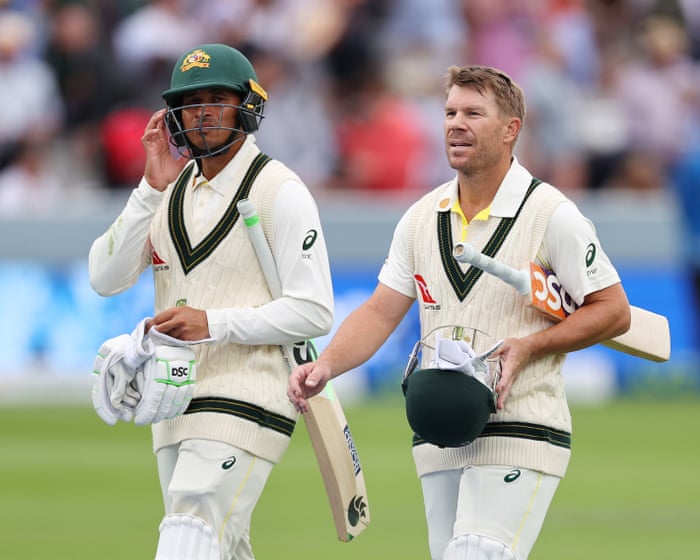
Australia's first Test tour of South Africa since the 2018 sandpaper scandal has revived memories of it, with Pat Cummins saying he is unfazed by Usman Khawaja raising it in his autobiography.
By Nathan Pryce · 9 Oct 2026 (updated 10 Nov 2026) · 2 min read
 via PerthNow
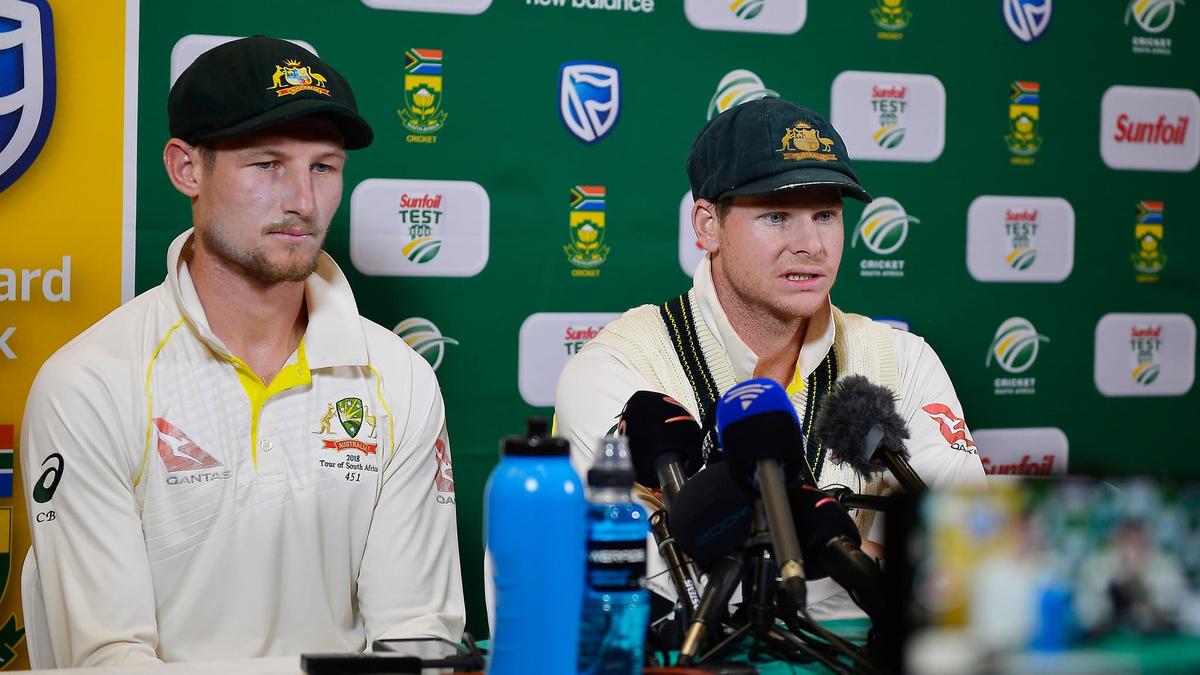
Australia's first Test tour of South Africa since 2018 has brought the sandpaper ball-tampering scandal back into focus. Usman Khawaja's autobiography, the first from any Australian player who played in that Cape Town Test, is due out days after the tour ends, and captain Pat Cummins said he was unfazed: "It was dealt with then, all I can say is as a group we've moved on." In 2018, David Warner and captain Steve Smith were banned for 12 months and Cameron Bancroft for nine, and a Cricket Australia investigation found no other player knew of the plan.
The immediate reaction across the cricketing world was one of disbelief and disappointment. Fans, sponsors and fellow nations all felt a sense of betrayal, as the notion that a side could seek an illicit edge contradicted the sport’s longstanding emphasis on sportsmanship. The scandal forced commentators to re‑examine the culture that permits such behaviour, and it highlighted how easily a single act can eclipse an entire tour’s achievements.
In the days that followed, governing bodies launched formal inquiries to determine the scope of the wrongdoing and to identify those responsible. The investigative process, while necessarily thorough, also underscored the need for transparent mechanisms that can swiftly address integrity breaches. By committing to an open fact‑finding mission, the authorities aimed to restore some measure of trust, even as they grappled with the complexities of gathering evidence from a high‑pressure environment.
The disciplinary outcomes that emerged from the inquiry sent a clear signal: tampering will not be tolerated. Sanctions were imposed not only as punishment but as a deterrent, designed to reinforce the principle that competitive advantage must be earned within the rules. Such measures also serve as a reminder to all participants that the privilege of representing a nation carries a heavy ethical responsibility.
Internationally, the scandal damaged Australia's cricketing reputation, casting a shadow over a nation traditionally viewed as a standard-bearer for the sport. Tensions between the two sides have thawed significantly since, and Cummins said he was "really proud of how the guys have been since that 2018 series".
Looking ahead, the fallout demands a cultural shift within the Australian setup. Stronger oversight, rigorous education on ethical conduct, and a zero‑tolerance stance on equipment manipulation are essential if the team is to avoid repeating past mistakes. The scandal should act as a catalyst for structural reforms that embed integrity into the daily routines of players and staff alike.
Ultimately, the sandpaper episode may become a turning point rather than a permanent stain. By confronting the failure head‑on, implementing robust safeguards and fostering an environment where honesty is prized above short‑term gain, Australian cricket can emerge stronger. The true test will be whether the lessons learned translate into sustained, transparent behaviour on future tours, restoring the faith of supporters and reaffirming the sport’s core values.