David Warner backs Usman Khawaja’s claim all Australian cricketers knew about 2018 Cape Town sandpaper plot
Warner has publicly affirmed Khawaja’s assertion that the entire Australian squad was aware of the 2018 ball‑tampering scheme, ending an eight‑year silence on the matter.
By Nathan Pryce · 9 Nov 2026 · 2 min read
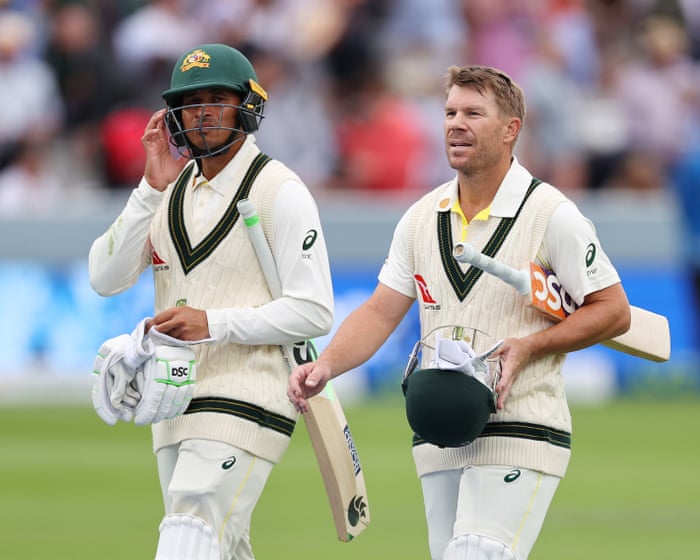 Photograph: Ryan Pierse/Getty Images
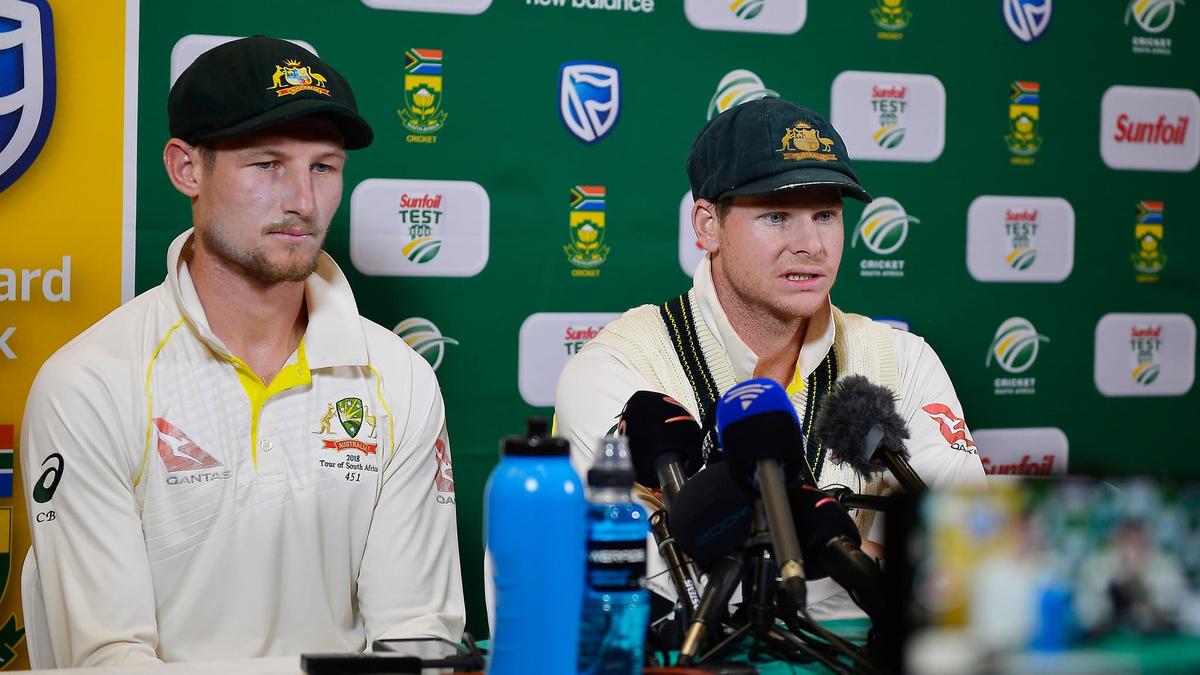
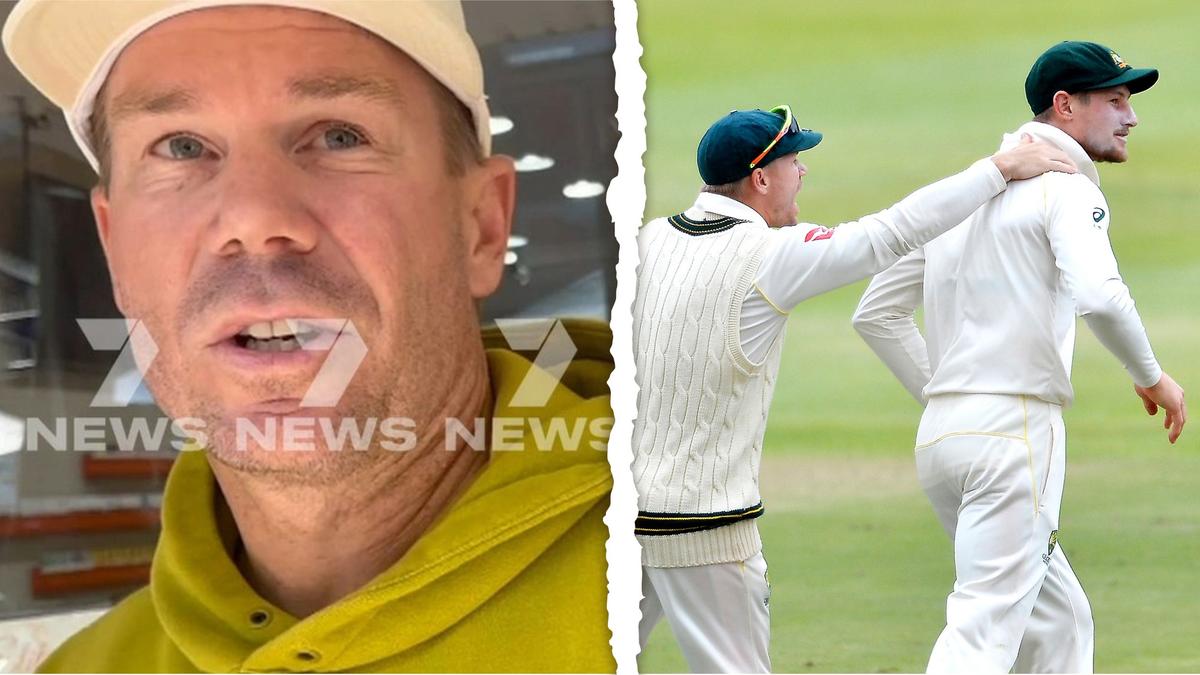
David Warner has stepped into a story that has lingered for years, openly supporting former teammate Usman Khawaja’s allegation that every member of the Australian cricket side was cognisant of the sandpaper scandal that unfolded in Cape Town back in 2018. By publicly aligning himself with Khawaja, Warner moves from the periphery of the controversy to its very centre, lending his considerable profile to a claim that has long been contested.
Warner’s endorsement carries weight simply because of his standing within the game. For a player of his calibre to confirm that the claim is “completely correct” adds a new layer of credibility that was previously missing. It also marks the first time Warner has spoken on the issue in eight years, suggesting a shift from quiet acquiescence to overt acknowledgement. This shift is likely to intensify scrutiny of the original incident and may prompt a re‑examination of how much the squad collectively understood at the time.
The ramifications are immediate and multifaceted. Media outlets will undoubtedly amplify the story, and cricket administrators may feel pressured to revisit the findings of any prior investigations. The narrative that the incident was the work of a few individuals could be supplanted by a broader view that the entire team operated with knowledge of the wrongdoing. Such a development could affect the reputations of players who were previously insulated from direct blame, and it may also influence public trust in the sport’s governance structures.
However, many questions remain unanswered. It is unclear whether other members of the 2018 squad will corroborate or refute Warner’s stance, and there is no indication yet of any formal response from cricket’s governing bodies. The legal and disciplinary pathways that might follow are also ambiguous; while the claim is now bolstered by Warner’s backing, any concrete action would require a formal inquiry and evidence beyond personal testimony.
In the short term, the focus will shift from speculation to verification. Analysts, fans, and officials will be watching for any further disclosures, and the pressure on cricket authorities to address the lingering doubts will only increase. Warner’s decision to break his long‑standing silence could prove to be a catalyst that finally forces the sport to confront a chapter it has largely tried to move past, reshaping how the 2018 episode is remembered in Australian cricket history.