Real Madrid Calls for La Liga President Javier Tebas’ Immediate Resignation After Nazi Comparison
Real Madrid has demanded that La Liga chief Javier Tebas step down following his likening of the club’s actions to the propaganda methods of Joseph Goebbels.
By Naomi Osei · 16 Oct 2026 (updated 10 Nov 2026) · 2 min read
 Photograph: Arnold Jerocki/Getty Images
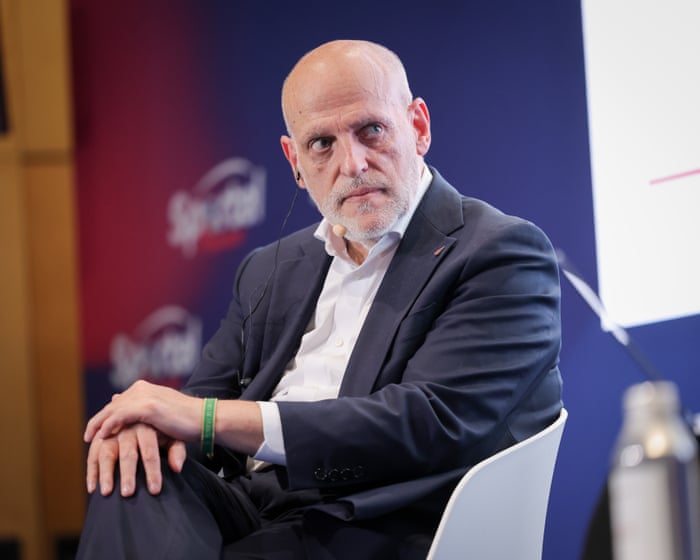
Real Madrid has formally requested that La Liga president Javier Tebas resign without delay after he compared the club's efforts to discredit referees with the propaganda tactics of the Nazi regime. The club also wants him to step down as vice-president of the Spanish football federation, and it is not the first such demand: Madrid called for his resignation in September too. The demand signals a sharp escalation in the already strained relationship between Spain’s most decorated side and the league’s governing body.
The comparison to Joseph Goebbels, Nazi Germany's propaganda minister, is more than a rhetorical flourish; it invokes a period of history that carries profound moral weight. Tebas, writing on X, said Real Madrid's management "directs an orchestra of mouthpieces" led by the club's television channel, which regularly airs what it considers refereeing errors, and said the method recalled Goebbels' propaganda techniques. He later said he was comparing techniques, not ideology. Real Madrid rejected that clarification, calling the remarks "deeply offensive" and "morally repugnant".
From an institutional perspective, the demand for Tebas’ resignation could set a precedent for how clubs confront league officials. If the club pursues formal mechanisms within La Liga’s statutes, it may trigger internal reviews or motions that test the league’s governance structures. The outcome could influence the balance of power, potentially curbing the president’s ability to make unilateral statements that are perceived as hostile toward the league’s most influential members.
The episode also reflects a broader pattern of friction between elite clubs and league administrations across Europe. While disagreements over officiating and disciplinary matters are commonplace, the escalation to public accusations of propaganda indicates a deterioration of the dialogue. It underscores the challenges leagues face in maintaining authority while managing the expectations of clubs that wield significant commercial and fan‑base clout.
What remains uncertain is how La Liga’s executive board will respond. The governing body may choose to defend the president’s right to free expression, issue a clarification, or initiate disciplinary proceedings against the club for attempting to force a resignation. Stakeholder reactions—from sponsors to fan groups—could also shape the next steps, especially if the controversy attracts broader media attention beyond football circles.
Ultimately, the incident highlights the heightened sensitivity surrounding language in sport and the potential for a single comment to ignite a constitutional dispute within a major competition. Observers will be watching closely for any official statements, procedural motions, or legal actions that clarify the limits of acceptable critique and the resilience of La Liga’s governance framework.