Lewis Hamilton calls for faster progress on F1 diversity
Lewis Hamilton urged Formula One to step up its diversity and inclusion efforts, outlining steps and warning that the sport's future depends on addressing recruitment inequality.
By Naomi Osei · 16 Nov 2026 · 2 min read
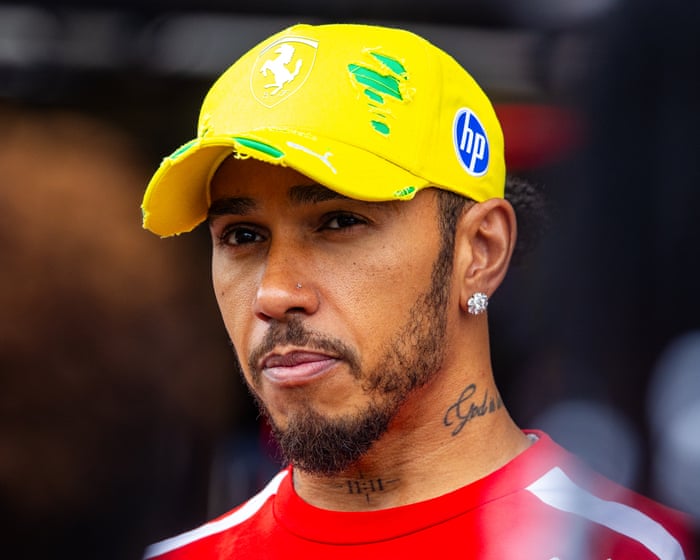 Photograph: Jayce Illman/Getty Images
Lewis Hamilton, the seven‑time World Champion, used his platform this week to press the governing bodies of Formula One for a swifter and more decisive approach to diversity. In a public statement he highlighted three concrete actions the sport should take, emphasizing that the current pace is insufficient. By naming the need for broader recruitment practices, Hamilton positioned himself as a vocal advocate for change within a sport that has long struggled with representation.
The significance of Hamilton’s appeal lies not only in his personal stature but also in the timing. Formula One has increasingly promoted its global reach, yet the demographic makeup of drivers, engineers, and senior management remains narrow. Hamilton’s call therefore adds a high‑profile voice to an ongoing conversation about how the series can become more inclusive, especially as it expands into new markets where the sport’s appeal could be broadened by a more diverse talent pool.
While Hamilton did not publish a detailed roadmap, he stressed that any effective plan must address three key areas: recruitment, development pathways, and cultural attitudes within teams and the wider organization. By pointing to recruitment specifically, he suggested that the pipeline for aspiring talent is a primary bottleneck. The emphasis on development pathways indicates a need for sustained support beyond entry‑level opportunities, while the reference to cultural attitudes implies that policy changes alone will not be enough without a shift in mindset.
The reaction from the sport’s leadership and its commercial partners will determine whether these suggestions translate into concrete measures. Stakeholders may view the call as an opportunity to align diversity initiatives with brand strategies, especially as sponsors increasingly demand social responsibility. However, implementing meaningful change will require coordination across teams, governing bodies, and feeder series, each with its own priorities and resource constraints.
What remains uncertain is how quickly the recommended steps will be adopted and what metrics will be used to gauge progress. Hamilton’s warning that the future of Formula One depends on robust action adds urgency, but without clear targets or timelines, the impact could be limited. Observers will be watching for any official response or policy rollout in the coming weeks, knowing that the sport’s credibility on inclusion hinges on more than statements—it depends on demonstrable, sustained effort.