Melbourne Cup runner So You Are discovered dead in skip bin, hospital apologises
So You Are, a Melbourne Cup entrant, was found dead in a Sydney skip bin and a hospital has issued an apology for the handling of the remains.
By Callum Reid · 17 Nov 2026 · 2 min read
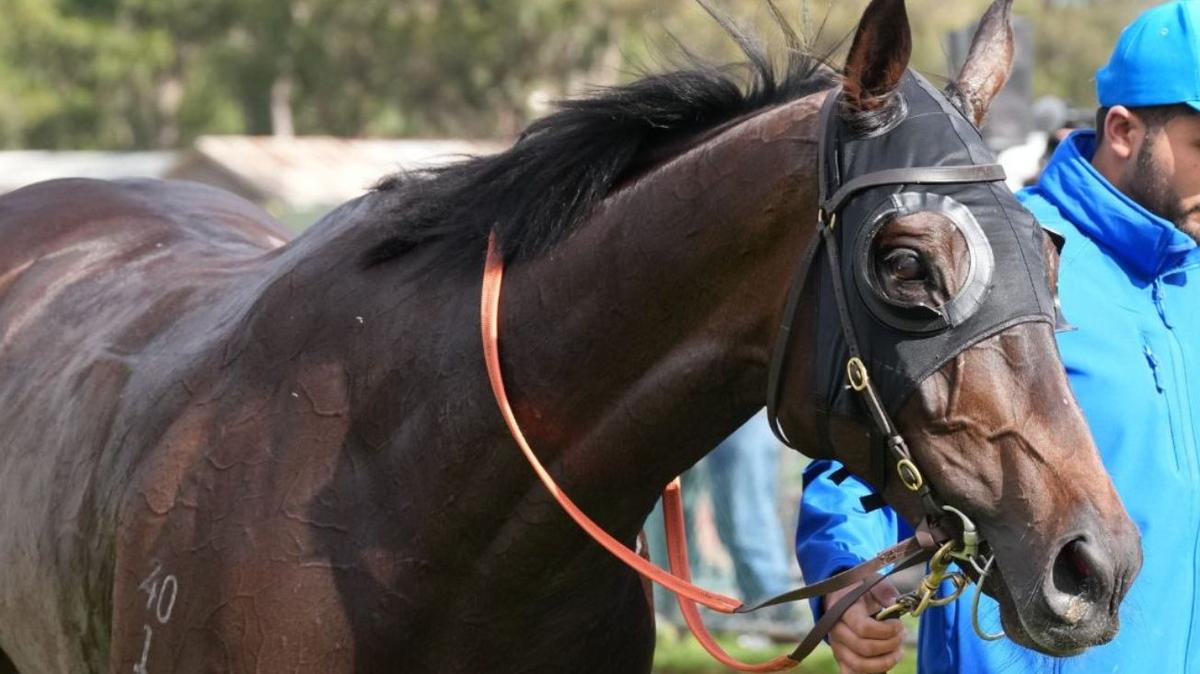 via PerthNow
The equine racing world was jolted this week when the body of So You Are, a horse that was slated to compete in the Melbourne Cup, turned up in a skip bin in Sydney. The discovery was made by a builder who reported the find, and a hospital subsequently issued an apology for the manner in which the animal's remains were treated. The convergence of a high‑profile racehorse, a construction site, and a health facility has sparked a wave of disbelief and concern across the sport and the wider community.
Beyond the immediate shock, the incident raises pressing questions about the protocols that govern the disposition of deceased racehorses. When a horse that has trained for one of the nation’s most prestigious events meets such an ignoble end, the responsibility for ensuring a respectful and regulated handling of the body becomes a matter of public interest. The involvement of a hospital suggests a breakdown somewhere in the chain of custody, whether through miscommunication, procedural gaps, or outright negligence. Regardless of the precise cause, the apology indicates an acknowledgement that the treatment fell short of expected standards.
For the Melbourne Cup community, the loss of So You Are in these circumstances is more than a tragic footnote; it underscores the vulnerability of the sport’s animal participants. Stakeholders—from trainers and owners to sponsors and fans—may now demand clearer guidelines and stricter oversight to prevent similar occurrences. The incident could fuel calls for independent audits of how racehorses are managed after injury or death, as well as for stronger penalties for any party that fails to meet the required level of care.
The fact that two independent outlets have corroborated the core details—identifying the horse, confirming the location of the discovery, and noting the hospital’s apology—adds a layer of credibility that helps to cut through speculation. Accurate reporting is essential in a situation where emotions run high and misinformation can quickly spread. By focusing on verified facts, the media can keep the conversation grounded while still allowing space for meaningful debate about systemic reforms.
What remains unknown are the exact steps that led the horse’s remains to a skip bin and why a medical facility was involved in the first place. Those gaps will likely be the focus of investigations by relevant authorities, and the outcomes will shape how the industry responds. Until the full story emerges, the incident stands as a stark reminder that the welfare of racehorses must be safeguarded at every stage, from training ground to the final handling of their remains.