Kylian Mbappé Issues Apology to China Over Mao Meme Controversy
Real Madrid striker Kylian Mbappé apologised to China after a meme linking him to Mao Zedong drew widespread criticism and the Chinese authorities accepted his apology.
By Callum Reid · 28 Oct 2026 · 2 min read
 AFP/Getty
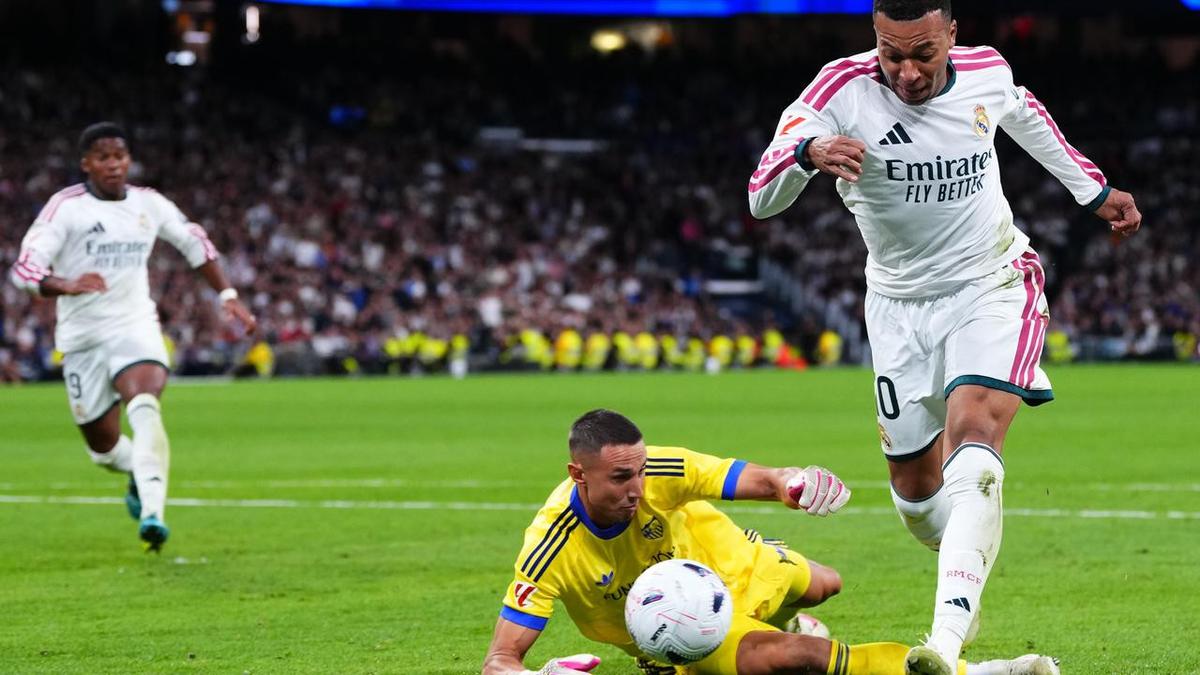
Kylian Mbappé, the high‑profile Real Madrid forward, publicly offered an apology to Chinese audiences after a meme that paired his image with that of Mao Zedong sparked a wave of criticism. The response from Chinese officials was to accept his apology, indicating that the gesture was at least partially successful in easing the immediate diplomatic tension. This development underscores how quickly a single social‑media post can become an international flashpoint for a player of his stature.
The backlash centered on the perceived disrespect of a historically sensitive figure in China. By invoking Mao Zedong in a light‑hearted context, the meme touched a nerve that goes beyond ordinary sports banter, highlighting the delicate balance athletes must strike when engaging with global audiences. In markets where political symbols carry deep resonance, even inadvertent jokes can be interpreted as affronts, prompting swift and vocal reactions from the public and authorities alike.
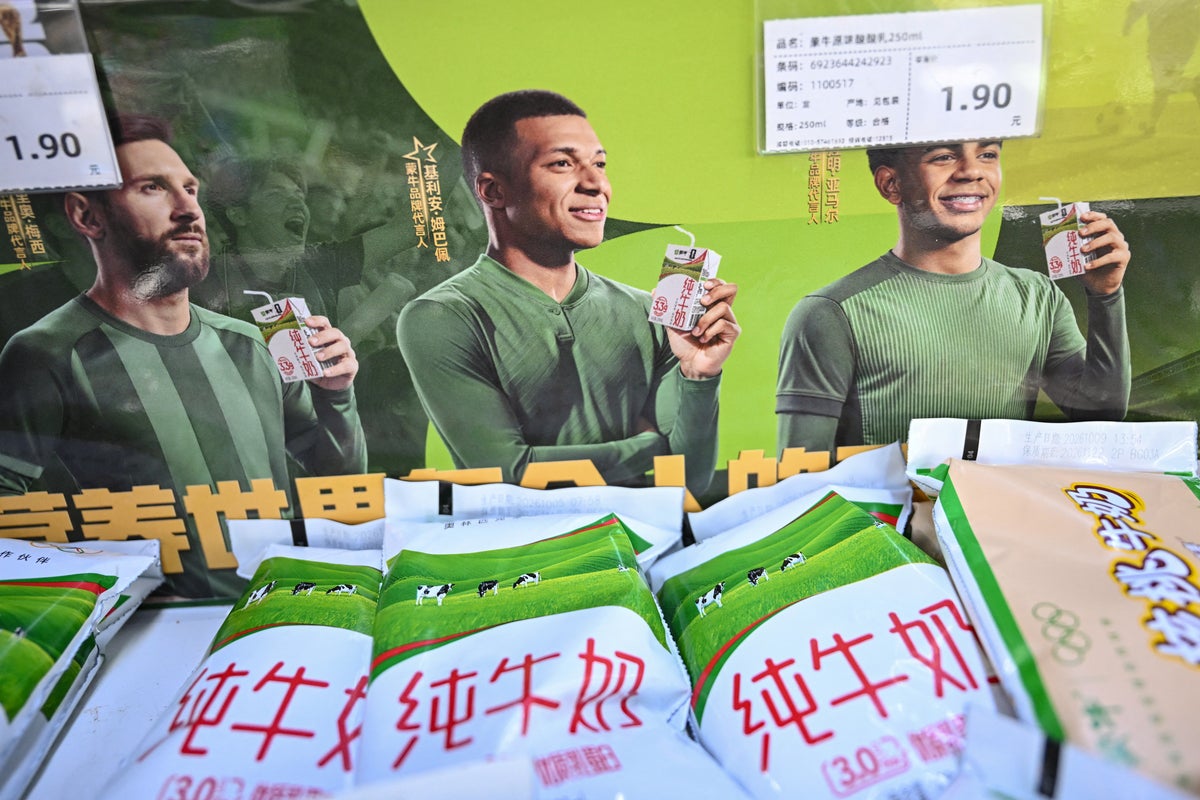
For Mbappé and his club, the incident raises questions about brand management and market strategy in one of football’s biggest commercial territories. China represents a massive consumer base, and any misstep can jeopardise sponsorship opportunities, fan engagement, and broader commercial initiatives. An apology that is accepted by the host nation may mitigate immediate damage, but the episode serves as a reminder that reputational risk management must be proactive and culturally informed.
What remains uncertain is how Chinese fans will adjust their perception of Mbappé over the longer term. Will the apology be sufficient to restore goodwill, or will lingering resentment affect his popularity and any associated commercial ventures? Additionally, there is no public indication yet of whether any contracts or partnerships will be altered as a result of the incident. The lack of concrete follow‑up leaves the situation open‑ended, and observers will be watching for any further statements or actions from both the player’s representatives and Chinese stakeholders.
Ultimately, the episode illustrates the heightened scrutiny athletes face in the digital age. A single meme can trigger a cross‑cultural controversy that spills over into diplomatic and commercial spheres. For players like Mbappé, the lesson is clear: communication on global platforms demands a nuanced awareness of the historical and political contexts that shape audience reactions. In a world where a misjudged joke can ripple across continents, caution and cultural literacy are as essential as on‑field performance.