Matildas keeper Teagan Micah nearly retired after head trauma
Matildas goalkeeper Teagan Micah says a head‑trauma‑induced neurological disorder almost forced her into early retirement, but she returned after specialist treatment and team support.
By Zara Ahmed · 26 Nov 2026 · 2 min read
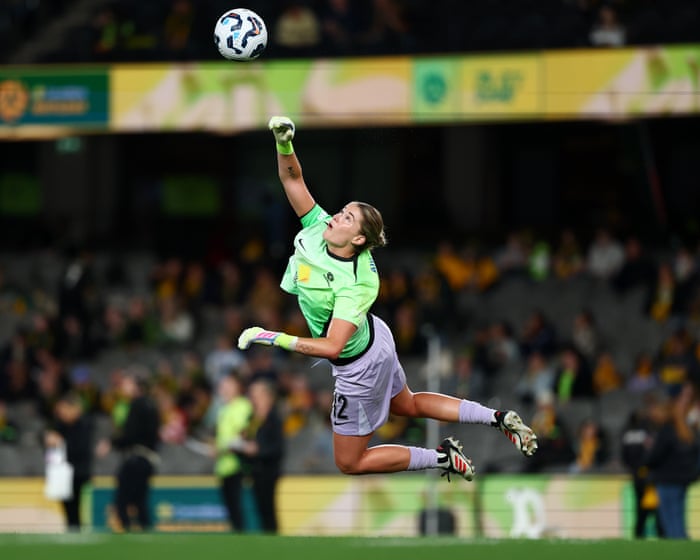 Photograph: Morgan Hancock/Getty Images
Matildas goalkeeper Teagan Micah has opened up about a health crisis that brought her professional future into doubt. The 29‑year‑old revealed that a neurological disorder triggered by head trauma nearly ended her career, a disclosure confirmed by multiple Australian outlets. Her candidness adds a personal dimension to ongoing conversations about player safety in football, especially within the women’s game where such stories have been comparatively rare.
Neurological disorders linked to head impacts are a growing concern across contact sports. While the exact nature of Micah’s condition has not been detailed publicly, the fact that it stemmed from a head injury underscores the hidden risks that can linger long after the initial incident. In football, repeated heading and accidental collisions can generate forces capable of causing subtle brain injury, which may manifest later as cognitive or motor difficulties. Such conditions can compromise an athlete’s ability to perform at the elite level and, as Micah’s experience shows, can threaten the viability of an international career.
Faced with this uncertainty, Micah turned to international specialists for assessment and treatment. Consulting experts beyond Australia suggests she sought the most advanced medical guidance available, reflecting both the seriousness of her symptoms and the limited domestic pathways for rare neurological cases. The involvement of specialists indicates a thorough diagnostic process, likely incorporating imaging and neurological testing, though specifics remain undisclosed. Her eventual clearance to return to training demonstrates that targeted medical intervention can restore function sufficiently for high‑performance sport.
Equally pivotal was the support she received from her Matildas teammates. Micah credited the camaraderie of her fellow players for helping her navigate the psychological strain of a potentially career‑ending condition. This collective backing highlights the importance of team culture in player welfare, where peer encouragement can be as vital as clinical care. In environments where mental resilience is tested, having a supportive squad can accelerate recovery and reinforce confidence.
Micah’s story raises broader questions about how Australian football manages head‑injury protocols and post‑injury monitoring, especially for women’s national teams. Her experience may prompt the Matildas program and governing bodies to revisit medical screening, educate players on symptom reporting, and ensure access to specialist care. While the specifics of her treatment remain private, the public acknowledgement of a near‑miss retirement serves as a cautionary reminder that head trauma can have career‑altering consequences, and that proactive health management is essential for sustaining elite athletes.