Australia vs England marks first men’s T20 at the MCG
Australia and England played the inaugural men's T20 international at Melbourne's MCG, launching the shortest format on the iconic cricket venue.
By Zara Ahmed · 21 Nov 2026 · 2 min read
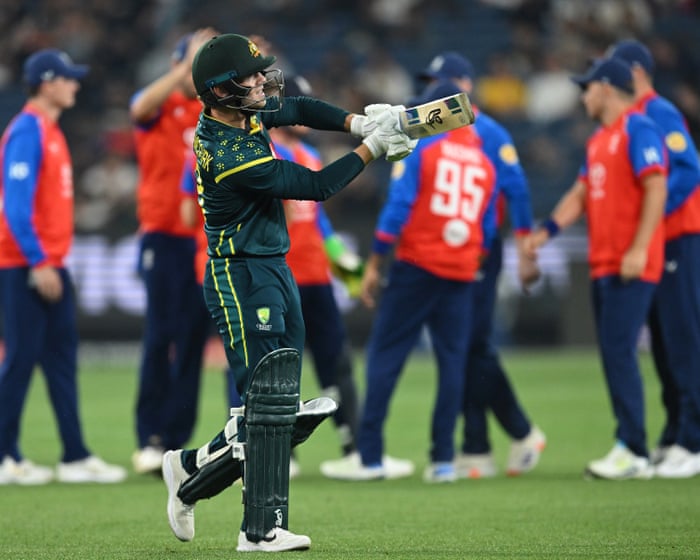 Photograph: James Ross/AAP
The cricket world turned its attention to Melbourne as Australia faced England in a match that broke new ground: it was the first men's Twenty20 international ever staged at the Melbourne Cricket Ground. The MCG, long revered for its role in Tests and one‑day internationals, provided a historic backdrop for the newest, fastest format of the game. Both teams arrived aware that the occasion carried weight beyond the result – it was a statement about the evolution of the sport and the willingness of traditional venues to embrace change.
Hosting a T20 international at the MCG signals a shift in how cricket administrators view the balance between heritage and modern entertainment. The ground’s reputation for hosting marquee events means that the decision was likely driven by a mix of commercial ambition and a desire to reach a broader audience. A match of this profile promises a different atmosphere from the usual Test setting: shorter bursts of action, more aggressive batting, and a focus on delivering instant excitement to a crowd that expects spectacle. The MCG’s size and reputation also suggest that the event could attract a sizeable, diverse crowd, potentially introducing new fans to the sport’s shortest format.
For Australian cricket, the game offers a chance to align the national side with the domestic Big Bash League, which has already cultivated a strong T20 following. The exposure of the national team playing this format on such a grand stage could reinforce pathways for younger players who have grown up with the shorter game in mind. It also provides an opportunity for the board to assess how the team adapts its strategies when the pressure of a historic venue meets the rapid tempo of T20 cricket.
England, meanwhile, approaches the match with an eye on maintaining its reputation as a pioneering force in the limited‑overs arena. The encounter gives the visitors a platform to test their tactical flexibility against a side that historically thrives in the longer formats but is now fully engaged with the demands of T20. Success in such a high‑profile setting could bolster confidence ahead of upcoming international fixtures and reinforce England’s position in the increasingly competitive global T20 landscape.
Much remains to be seen following the inaugural contest. While the outcome and individual performances are still pending, the match itself has already set a precedent for future scheduling decisions. Stakeholders will be watching closely to gauge fan reaction, television ratings, and the overall viability of repeating such fixtures. If the experiment proves popular, it could open the door to a regular calendar of T20 internationals at the MCG, further cementing the ground’s status as a versatile arena capable of hosting cricket’s full spectrum of formats.