Lisandro Martínez slams United hierarchy after 2-0 Champions League loss to Atlético Madrid
Manchester United were beaten 2-0 by Atlético Madrid in the Champions League, prompting defender Lisandro Martínez to publicly criticize the club’s technical leadership.
By Naomi Osei · 14 Oct 2026 (updated 10 Nov 2026) · 2 min read
 Getty
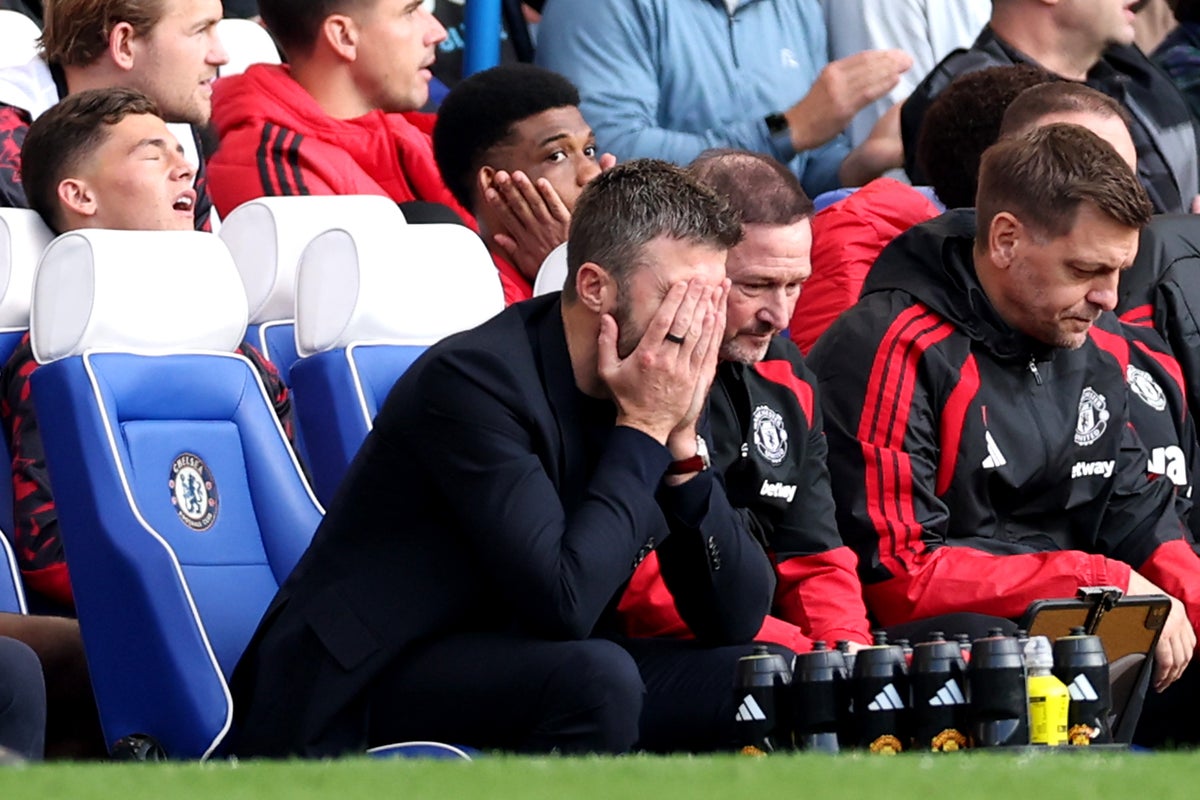
Manchester United’s recent 2-0 defeat to Atlético Madrid in the Champions League has become more than a scoreline; it has ignited a rare public outburst from defender Lisandro Martínez. The Argentine’s comments, aired in an interview, targeted the club’s technical hierarchy rather than the coaching staff, signalling a deeper unease within the squad. United had won just two of their first nine games of the season and were winless in five. While the result itself is a clear indicator of a match where the visitors failed to threaten the opponent’s goal, the reaction it provoked reveals a growing disquiet among the players about the direction of the club.
A two-goal margin without reply typically points to a combination of limited attacking penetration and a defensive structure that could not withstand sustained pressure. In such fixtures, teams that concede early often find themselves chasing the game, allowing the opponent to dictate possession and territory. The absence of a response from United suggests that they struggled to establish any meaningful foothold, whether through creating clear chances or maintaining sustained pressure in the final third. The result, therefore, reflects both a tactical shortfall and a possible loss of confidence on the pitch.
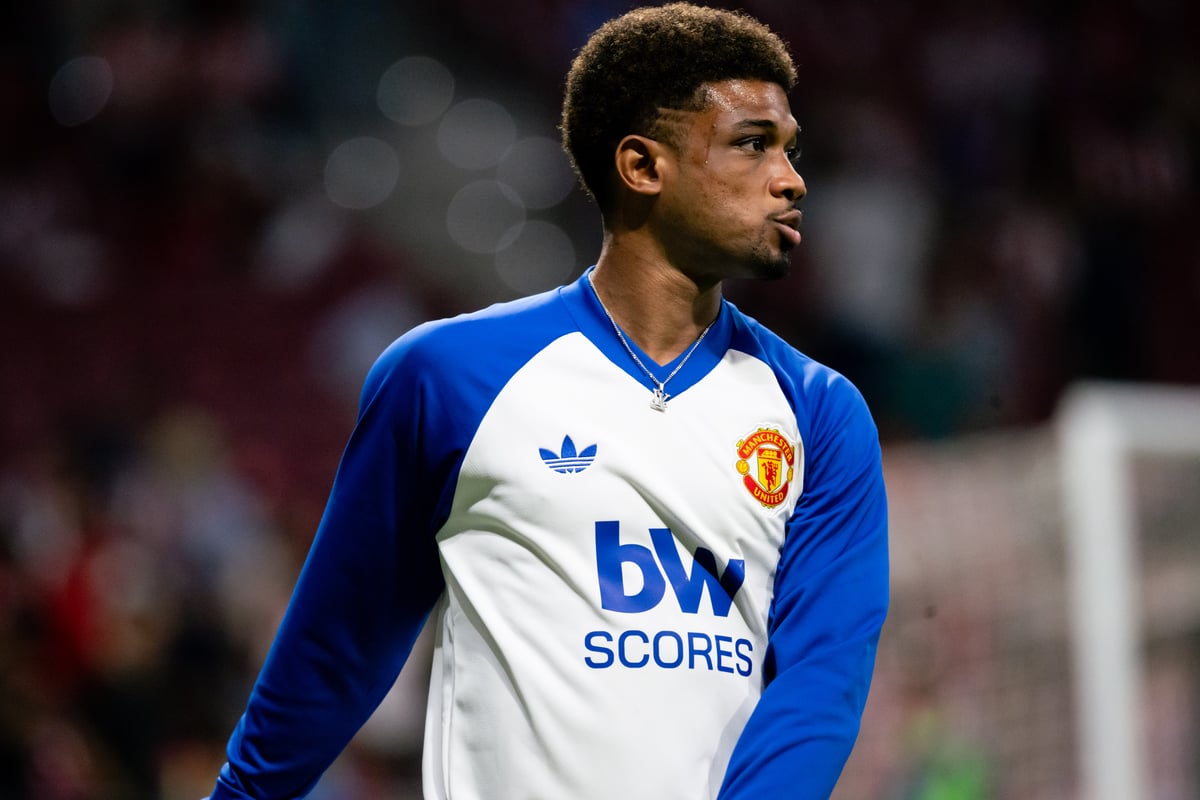
What set this episode apart was Martínez’s decision to direct his frustration at the club’s technical director, Jason Wilcox, while explicitly stating that the burden should not fall on manager Michael Carrick. By singling out the senior management layer, Martínez highlighted a perception that strategic decisions off the field are influencing on‑field performance. His remarks, described by several outlets as an “astonishing interview,” suggest that players are beginning to question the efficacy of recruitment, squad planning and the broader vision being pursued at the executive level.
The internal dynamics of a club can be fragile when players feel that the hierarchy is misaligned with their ambitions. Martínez’s public criticism could act as a catalyst for a broader conversation within the dressing room, potentially prompting other senior figures to voice concerns. Conversely, it risks deepening divisions if the leadership perceives the outburst as undermining authority. The balance between constructive dissent and destabilising dissent will be a key factor in how United navigates the aftermath.
Looking ahead, United must address the tactical deficiencies exposed by the Atlético defeat while also managing the emerging tension between the squad and the technical hierarchy. Restoring confidence will likely require a clear plan that aligns recruitment, squad development and coaching philosophy. Until that alignment is demonstrated, the club may continue to face scrutiny not only for results but for the coherence of its internal structure, as the Martínez episode underscores the urgency of bridging the gap between boardroom decisions and on‑field expectations.