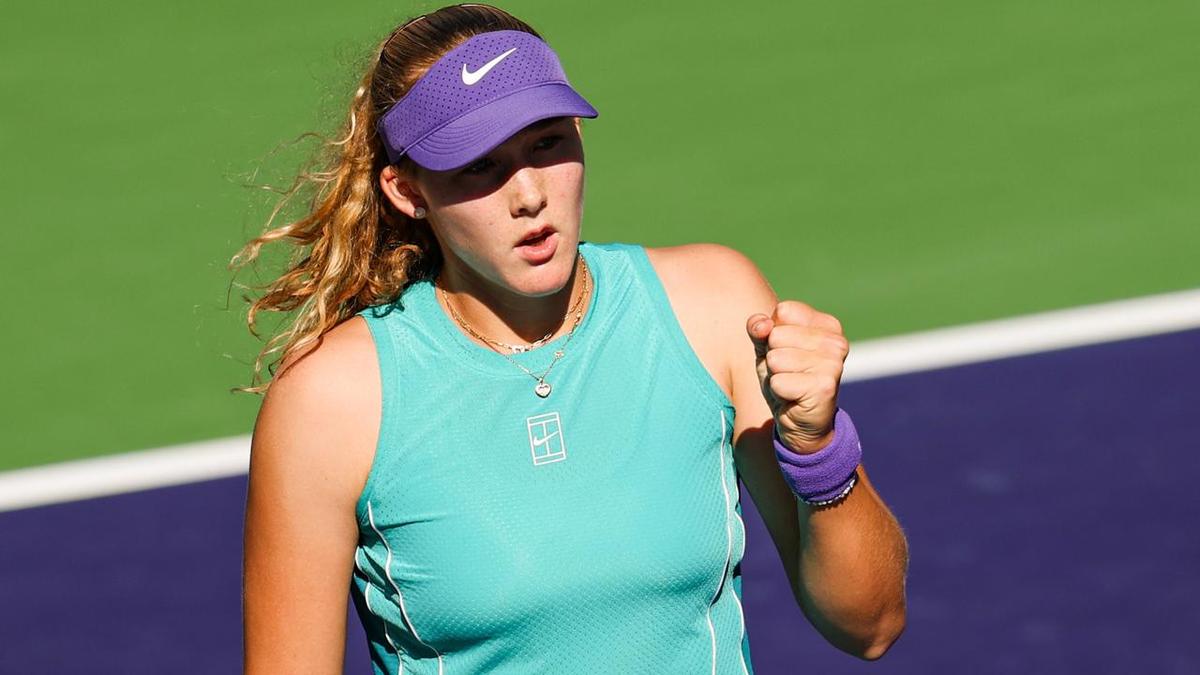
Elina Svitolina Announces Separation from Gaël Monfils
World No 6 Ukrainian Elina Svitolina confirmed via Instagram that she and husband Gaël Monfils are ending their marriage, citing personal strain amid the ongoing war in Ukraine.
By Naomi Osei · 19 Oct 2026 (updated 10 Nov 2026) · 2 min read
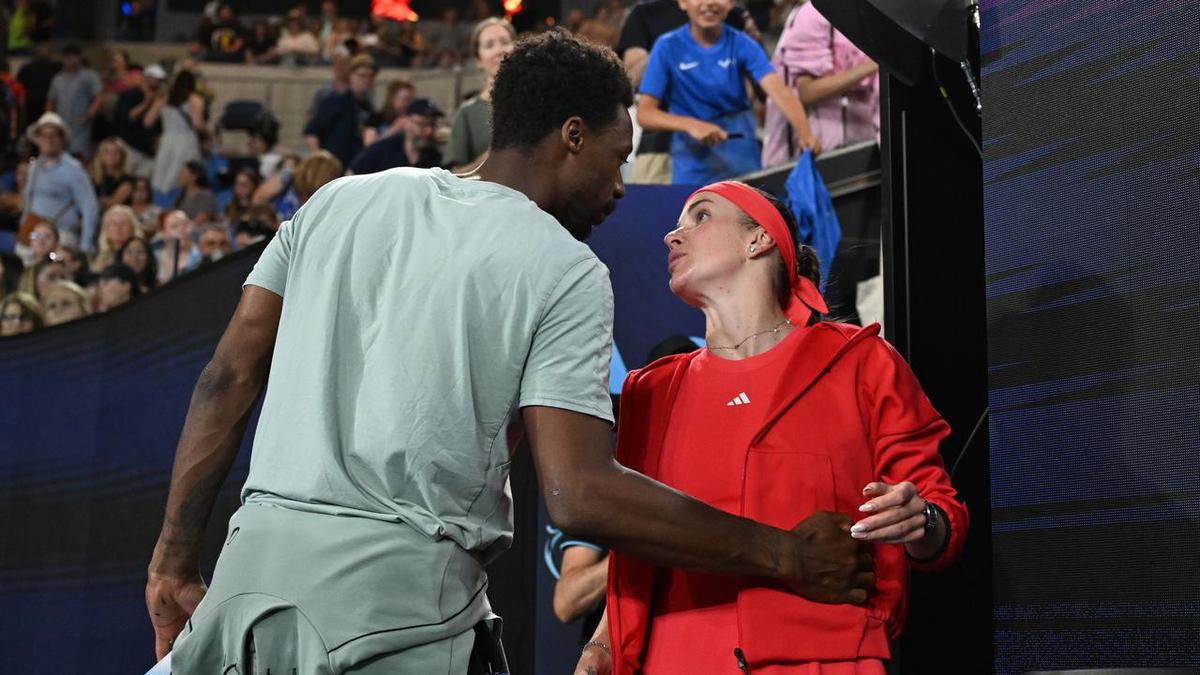 via PerthNow
Elina Svitolina, currently ranked sixth in the women's game, used her Instagram platform to confirm that her marriage to fellow professional Gaël Monfils is ending, calling it "the most difficult thing I have ever had to share". The post spoke of the emotional toll that the war in her native Ukraine has taken on her wellbeing, and of how Monfils supported her when she took a break from tennis to recover. While the announcement is brief, the decision to go public signals a desire to control the narrative around a deeply private matter.
The timing of the announcement is notable, given where both players are in their careers. Svitolina, a 32-year-old Ukrainian, remains among the leading players on the women's tour. Monfils, a 40-year-old Frenchman, has retired, with his career officially over from October 5. Their separation may reshape each athlete's off-court routine and could have subtle effects as they adjust to new personal circumstances.
From a broader perspective, the revelation underscores how external pressures—especially those of a geopolitical nature—can seep into the personal lives of elite athletes. The mental strain mentioned by Svitolina reflects a growing awareness among players that mental health is as integral to success as physical preparation. While the exact impact on upcoming tournaments remains speculative, the tennis community has repeatedly shown support for players confronting personal hardships, suggesting that both Svitolina and Monfils are likely to receive a measured response from peers and officials alike.
The separation also highlights the intersection of sport and identity. As a Ukrainian competing on a global stage, Svitolina’s experience is intertwined with the narrative of her nation’s struggles. Her willingness to speak openly about the emotional cost of the conflict may resonate beyond the tennis world, offering a human face to the broader crisis. For Monfils, whose career has already shifted toward retirement, the development adds another layer to his post‑tour life, potentially influencing any future involvement in coaching, commentary, or exhibition events.
In the days ahead, attention will likely turn to how each player navigates the immediate aftermath. Both have demonstrated resilience throughout their careers, and that same resilience may guide them through this personal transition. The tennis world will watch, not for the drama of the split itself, but for the ways in which two seasoned professionals adapt their routines, focus, and ambitions in the wake of a significant life change.