Rohan Browning Calls Time on Sprinting Career
Australian sprinter Rohan Browning announced his retirement, ending a successful run that saw him become the nation’s leading male 100‑metre athlete.
By Zara Ahmed · 23 Sept 2026 · 2 min read · Australia edition
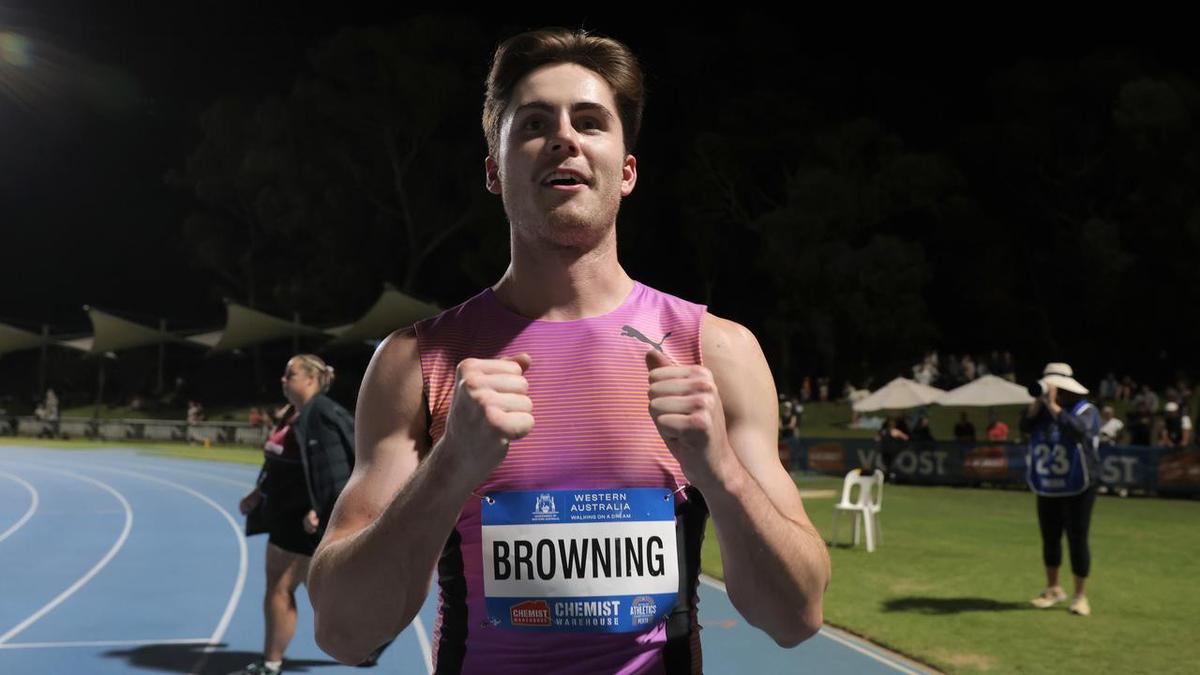 via PerthNow
Rohan Browning’s decision to retire from sprinting marks the close of a chapter that has defined Australian sprinting for the better part of a decade. The Sydney‑born athlete announced his retirement today, confirming that his competitive days on the track are over. While the news arrives without fanfare, the implications for Australian athletics are anything but minor.
Browning first burst onto the national scene as a teenage prodigy, quickly earning a reputation for raw speed and composure under pressure. Over the years he cemented his status as Australia’s top male 100‑metre sprinter, representing the country at multiple World Championships and the Olympic Games. Those appearances gave him a platform that few Australian sprinters have enjoyed in recent memory, and his presence on the world stage helped keep Australia in the conversation whenever sprinting was discussed.
Beyond his personal results, Browning’s impact has been felt in the broader sprinting community. Young athletes across the country now have a tangible example of a home‑grown runner who can compete internationally, and his willingness to share training insights has fostered a more collaborative environment among coaches and athletes alike. In a sport often dominated by overseas role models, his visibility has been a catalyst for a modest but noticeable surge in participation at the junior level.
The consistency of his performances also deserves mention. While he never claimed a global medal, Browning consistently posted times that placed him among the world’s elite, and he remained a fixture in national championship finals year after year. That level of reliability helped stabilize Australia’s sprinting program, allowing selectors to plan long‑term strategies rather than constantly searching for a new flag‑bearer.
His retirement arrives at a moment when Australian athletics is undergoing a subtle transformation. The nation is investing more in high‑performance pathways, and a new cohort of sprinters is beginning to emerge. Browning’s departure will inevitably create a vacuum at the front of the pack, but it also opens space for rising talents to step into the spotlight. The timing could be beneficial, as it aligns with broader efforts to refresh the athlete pool ahead of the next Olympic cycle.
Looking ahead, the question is less about who will replace Browning and more about how the sport will build on the foundations he helped lay. The increased exposure he brought to sprinting can be leveraged to secure better funding, improve coaching resources, and attract international competition to Australian tracks. If the momentum continues, the next generation may not only match Browning’s achievements but surpass them.
For Browning himself, retirement offers an opportunity to transition into new roles within the sport—whether as a mentor, commentator, or ambassador for athletics in schools. His story, from a promising junior to the nation’s premier sprinter, will serve as a reference point for future athletes navigating the same path. In stepping away from competition, he leaves behind a legacy defined not just by times on a stopwatch but by the doors he opened for Australian sprinting.