AFL umpire Hayden Meyer alleges intimidation by Hawthorn players after recent match
Umpire Hayden Meyer says he felt threatened and abused by Hawthorn players following their latest AFL contest, raising concerns about on‑field respect and player‑official interactions.
By Zara Ahmed · 23 Sept 2026 · 3 min read · Australia edition
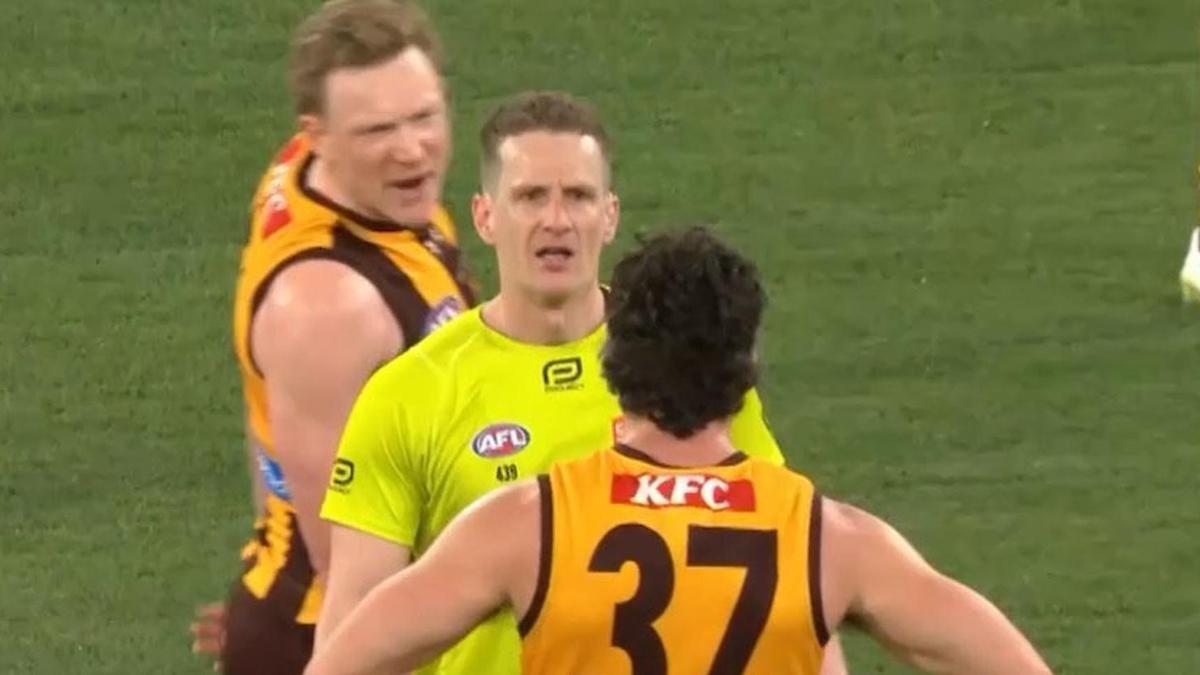 via PerthNow
Hayden Meyer, a senior field umpire in the Australian Football League, has come forward with a claim that he felt threatened and abused by members of the Hawthorn Football Club after their most recent encounter. The allegation surfaces at a time when the league is under increasing scrutiny for how it manages the conduct of its participants, both on and off the field. Meyer’s statement is not a routine grievance; it is a direct challenge to the culture that governs player‑umpire relationships in a sport that prides itself on respect and fairness.
The role of an AFL umpire extends far beyond officiating the flow of the game. Umpires are expected to make split‑second decisions under intense pressure, often becoming the focal point of player frustration. When an umpire reports feeling threatened, it signals a breach in the tacit social contract that underpins the sport. Such a breach can erode confidence in the officiating body, potentially influencing how players and coaches approach future contests if they sense a lack of protection for officials.
Incidents involving umpire abuse are not new to Australian football, but they have historically been dealt with quietly or through relatively modest penalties. Past episodes have ranged from verbal taunts in the stadium stands to more overt physical confrontations on the field. The pattern suggests a gradual escalation in the severity of encounters, which makes Meyer’s claim especially pertinent. It forces the AFL to confront whether its existing disciplinary framework is sufficient to deter players from crossing the line into intimidation.
From an organizational perspective, the league’s reputation hinges on its ability to enforce a safe environment for all participants. If a senior umpire feels unsafe, the message sent to aspiring officials and current staff is one of vulnerability. The AFL has a responsibility to demonstrate that it will back its officials with concrete actions, whether through stricter sanctions, mandatory education programs, or a transparent reporting mechanism that protects whistleblowers from retaliation.
Understanding why Hawthorn players might have reacted in a manner that Meyer describes as threatening requires context. High‑stakes matches can inflame emotions, and the physical nature of the sport can blur the line between competitive aggression and personal hostility. While the competitive intensity of a Hawthorn game is well documented, that intensity does not excuse behaviour that jeopardises an umpire’s sense of security. The incident therefore becomes a litmus test for how the league balances the passion of the sport with the imperative of respect.
The AFL’s next steps will be closely watched. Potential responses include a formal investigation, targeted sanctions against the individuals involved, and a review of the league’s code of conduct. More broadly, the league may consider bolstering its support structures for officials, such as counseling services and clearer pathways for reporting abuse. A proactive approach could not only address Meyer’s immediate concerns but also set a precedent that deters future incidents.
Ultimately, Meyer’s allegation is a reminder that the health of the game depends on mutual respect between players and officials. If the AFL can turn this episode into a catalyst for positive change, it will reinforce the principle that no participant—whether star forward or field umpire—should feel threatened on the playing surface. The long‑term credibility of the competition may well hinge on how effectively it safeguards the dignity of those who enforce its rules.