United States Stages Comeback to Secure 11th Straight Presidents Cup
The United States rallied past the Internationals in a comeback victory to clinch the Presidents Cup, marking the team’s 11th consecutive title.
By Alex Kim · 29 Sept 2026 · 3 min read · United States edition
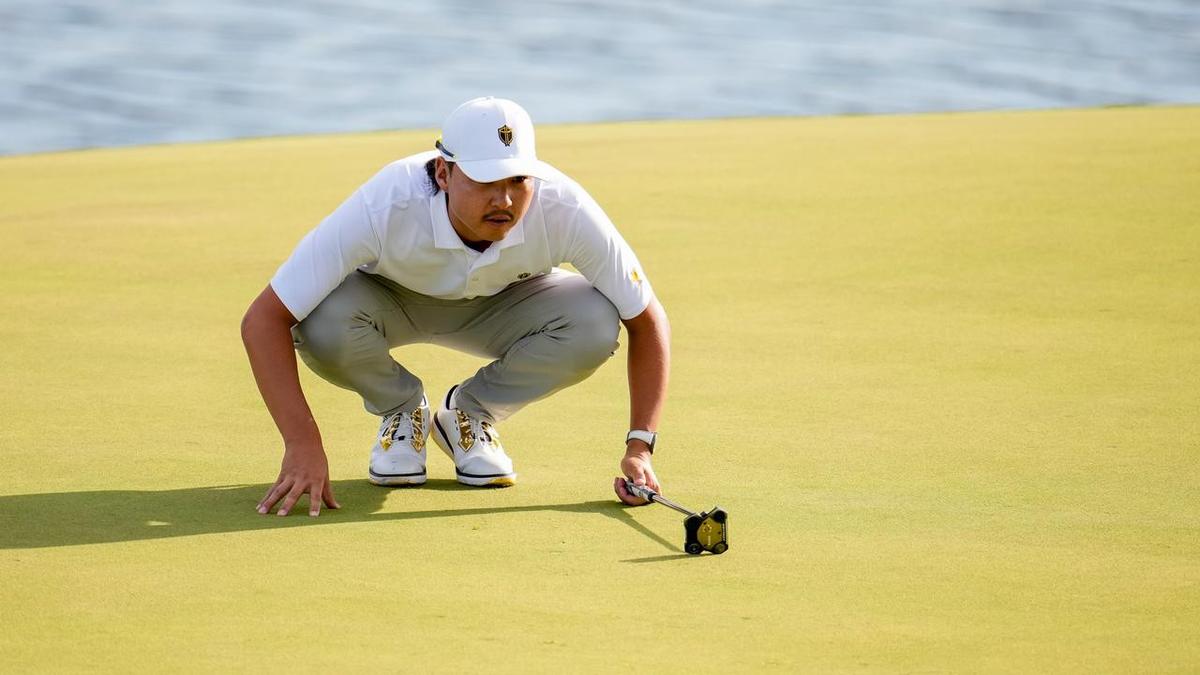 via PerthNow
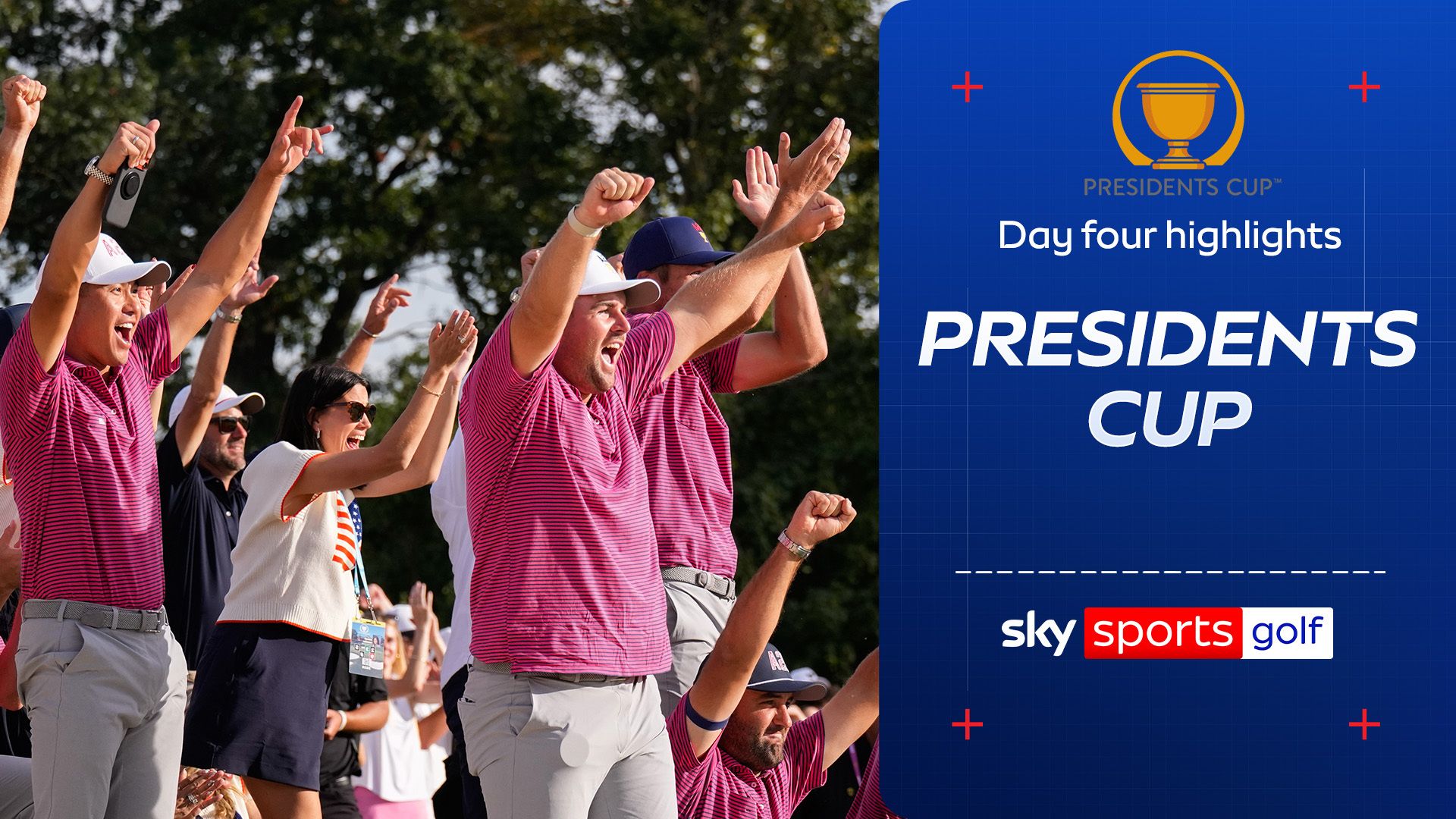
When the United States finally lifted the Presidents Cup trophy on Thursday, it was not a routine win but a comeback that underscored the depth of American golf. The U.S. team, facing the International squad, fell behind for a significant portion of the final day before turning the tide to secure the victory, delivering the country’s 11th straight Presidents Cup title. The narrative now belongs to a group of players who managed to reset a faltering performance under intense pressure.
A comeback of this shape in a team event like the Presidents Cup tells you something about momentum and mental resilience. Falling behind early forces a captain to make strategic pairings that can spark confidence, while the trailing side must win points in quick succession to stay alive. The United States’ ability to manufacture that swing in the latter stages suggests a collective comfort with high‑stakes environments, where a single good stretch can erase a deficit.
That comfort comes from experience. The U.S. roster typically blends seasoned major champions with emerging talents who have already tasted international competition. Veteran players bring a familiarity with the pressure cooker of match play, and they often act as anchors for younger teammates. This blend creates a built‑in safety net; when the score slips, the seasoned hands can guide the group back into contention without a loss of confidence.
For the International side, the result is a reminder of the structural challenges they face. While the roster is stacked with world‑class talent, the players come from a wider range of national programs, each with different competitive calendars and team‑building experiences. The inability to hold a lead in the final session highlights a gap that goes beyond raw skill – it points to the subtle advantages of cohesion that the United States has cultivated over more than a decade of dominance.
Looking ahead, the United States will enter the next Presidents Cup with the weight of an 11‑year streak on its shoulders. Maintaining such a run demands continual renewal of talent and the avoidance of complacency. For the International camp, the loss may act as a catalyst for reassessing captaincy strategies, pairing philosophies, and the timing of player selection to ensure they can sustain pressure rather than merely respond to it.
Historically, an 11‑year run in any team sport is remarkable, and the Presidents Cup is no exception. The United States has turned the competition into a showcase of its depth, rarely allowing the International team to string together enough points to threaten a title. This dominance mirrors the broader narrative of American strength in professional golf, where the nation consistently produces multiple top‑ranked players across generations.
For fans, the drama of a comeback adds a layer of excitement that pure dominance can sometimes lack. The United States’ ability to fight back reinforces the notion that even a long‑running champion can be tested, making future editions feel less like a foregone conclusion and more like a genuine contest. As the next cycle approaches, both camps will study this encounter, seeking the edges that separate a routine win from a rally that becomes part of the sport’s lore.