Own Goal Turns United‑Fulham Draw into Talking Point
Lisandro Martinez’s own goal gave Manchester United a 1-1 draw with Fulham at Old Trafford, sparking debate about both clubs' recent form and broader patterns.
By Graham Pettifer · 21 Sept 2026 · 3 min read · United States edition
 Getty
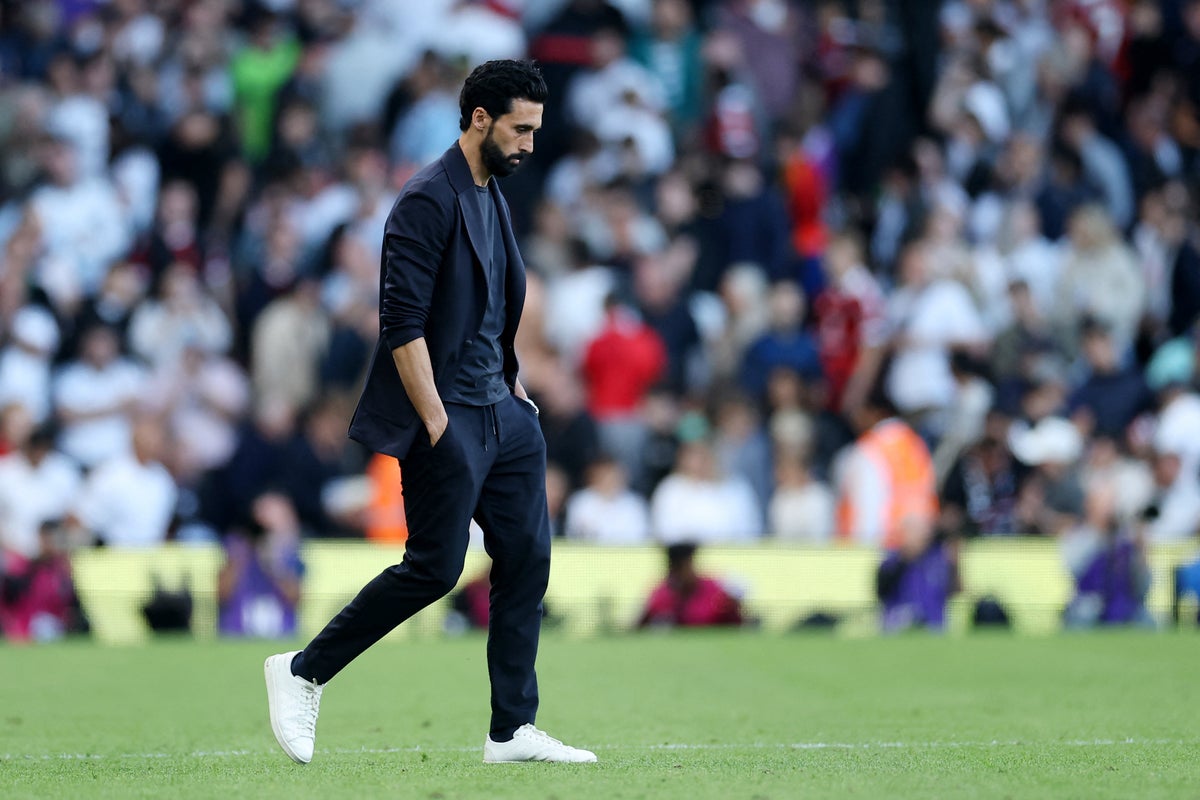
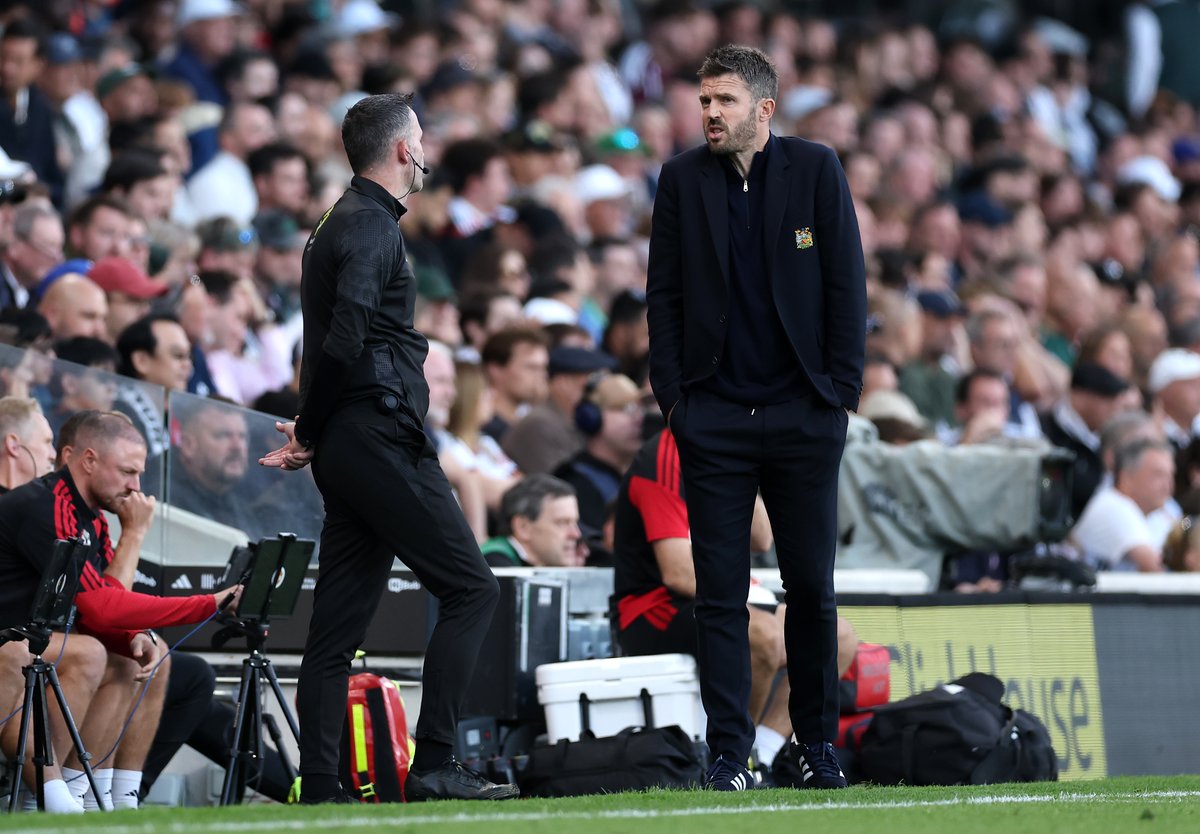
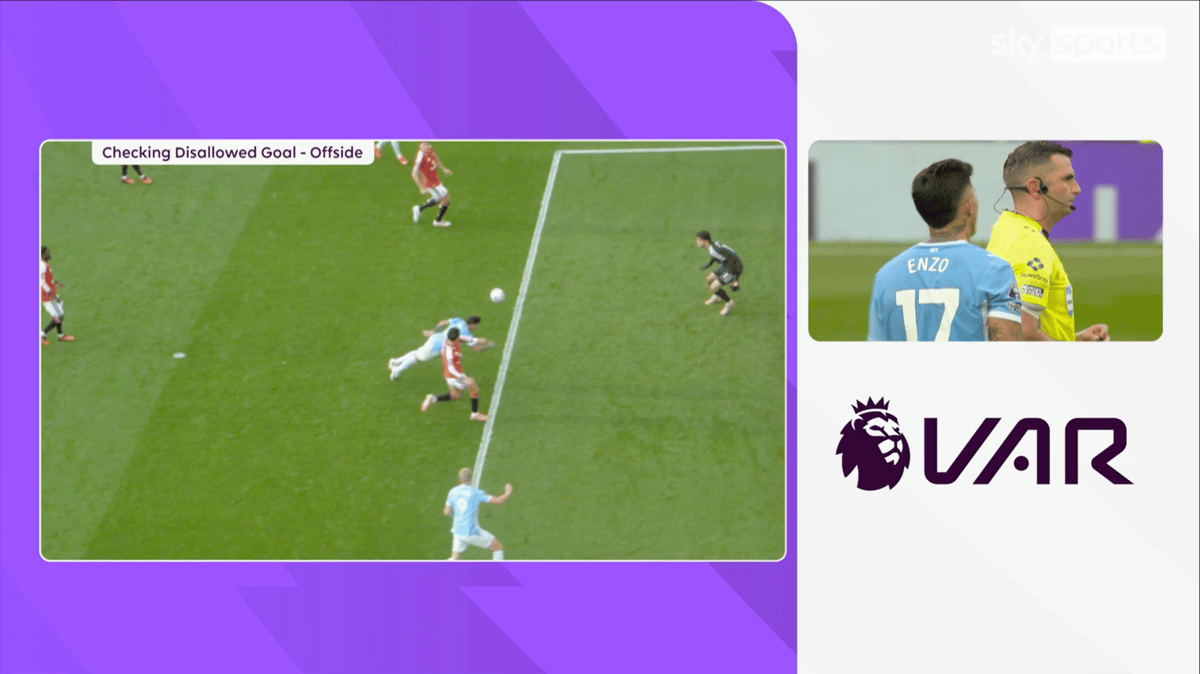
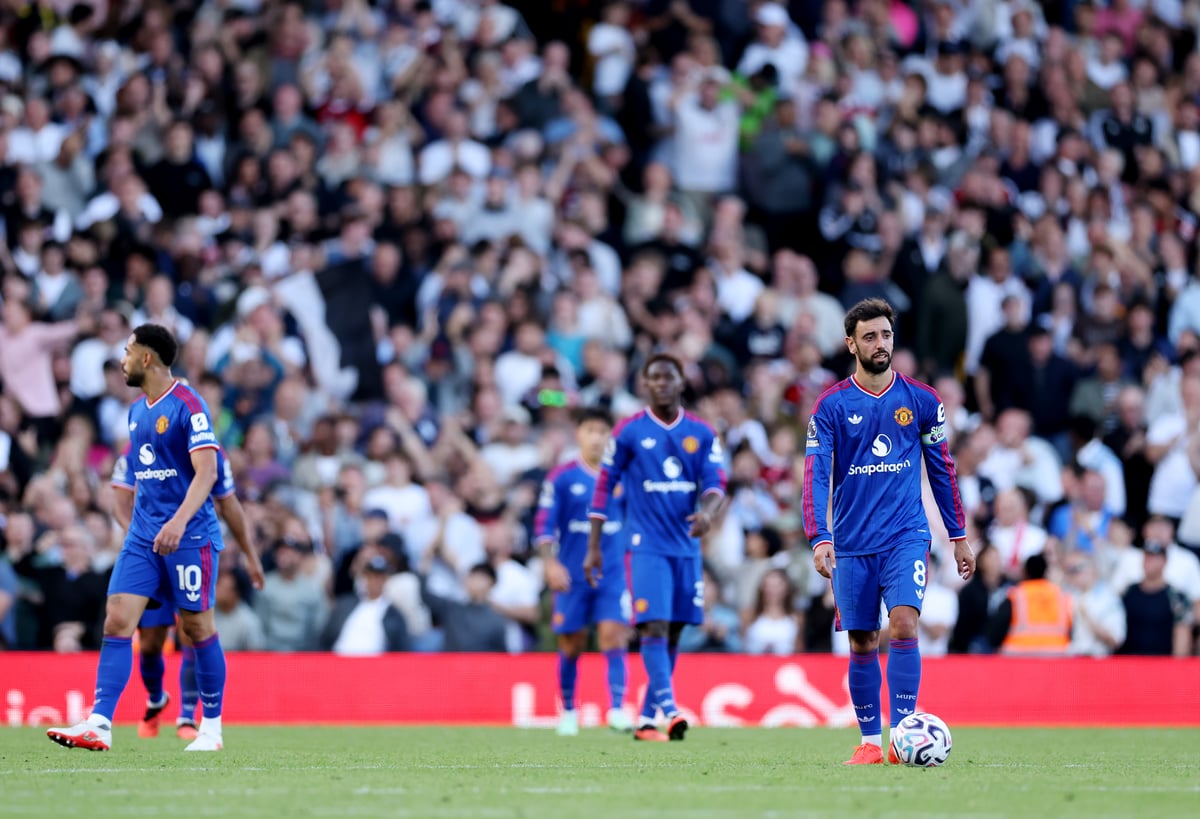
GettyThe 1‑1 stalemate between Manchester United and Fulham was defined by an own goal from defender Lisandro Martinez, a moment that turned a routine Premier League clash into a talking point across the country. The match, held at Old Trafford, saw both sides break the deadlock before the inadvertent strike altered the rhythm and forced a tactical reshuffle. While the points were split, the incident underscored how fine margins can dictate the narrative of a single league meeting.
An own goal of this nature does more than change the scoreline; it often reverberates through a team's collective confidence. For United, a side accustomed to orchestrating attacks, the lapse reminded them of the fragile balance between possession dominance and defensive solidity. Historically, such moments have prompted a brief period of introspection, where players and coaching staff reassess positioning and communication. Martinez’s miscue, therefore, fits into a broader pattern where unexpected setbacks can serve as catalysts for short‑term tactical adjustments.
Manchester United’s recent campaign has been characterized by a mixture of brilliance and inconsistency, a duality that has manifested in a series of drawn encounters. The ability to create chances does not always translate into decisive finishes, and the result against Fulham adds another example of points left on the board despite clear opportunities. This trend illustrates a team that possesses the quality to challenge any opponent but occasionally lacks the cutting edge needed to convert dominance into victory.
For Fulham, earning a point at Old Trafford reflects a resilience that has become a hallmark of their approach in high‑profile fixtures. The Cottagers have often demonstrated an ability to absorb pressure and strike when the opposition shows vulnerability, a strategy that paid dividends when the own goal shifted momentum. Their disciplined defensive shape and willingness to exploit set‑piece opportunities have allowed them to punch above their weight on several occasions, reinforcing a reputation for pragmatic tenacity.
The fixture adds another chapter to a rivalry that, while perhaps not as flamboyant as some of the league’s historic derbies, has always been a barometer of each club’s standing in the broader hierarchy. Encounters between United and Fulham have frequently produced moments that linger in collective memory, whether through dramatic comebacks or contentious decisions. This shared history creates a backdrop where every point carries symbolic weight, turning a seemingly routine draw into a point of pride or disappointment depending on perspective.
Looking ahead, the single point each side collects will have modest but tangible implications for their respective ambitions. For United, the draw sustains a campaign that hinges on consistency; dropping points at home can tighten the race for European qualification and heighten pressure on upcoming matches. Fulham, meanwhile, will view the result as a stepping stone toward solidifying a mid‑table position, using the experience to build confidence for future encounters against top‑flight opposition. In both cases, the outcome reinforces the importance of capitalising on every opportunity.
In the final analysis, the match serves as a reminder that football’s narrative is often shaped by the unexpected. An own goal can transform a routine meeting into a moment of debate, and a shared point can reflect deeper themes of resilience, inconsistency, and the perpetual quest for advantage. As the season unfolds, both Manchester United and Fulham will carry the lessons of this encounter, illustrating how a single incident can echo through subsequent performances and influence the ever‑shifting balance of the league.