Milan-Cortina Winter Paralympics 2026
China topped the medal table, host Italy had its best Winter Paralympics ever, and five nations made their Winter Paralympic debut. The results, the real history made, and a genuine controversy over Russian and Belarusian participation.
By Miles Ashworth · 16 Mar 2026 · 3 min read · United States edition
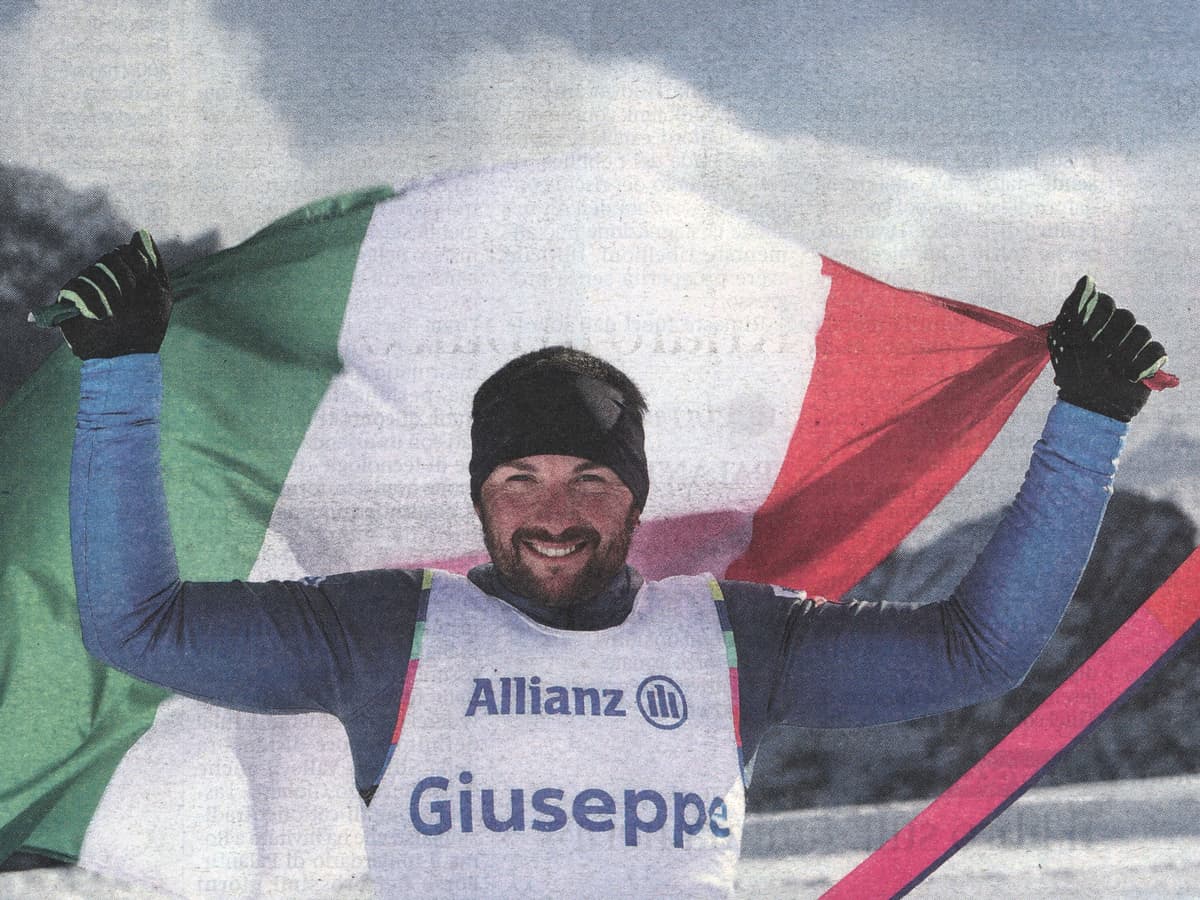 Giuseppe Romele, Italian Paralympic cross-country skier, celebrating with the Italian flag at the Tesero cross-country venue during the 2026 Winter Paralympics, March 16, 2026. Photo: Claudio Doliana, via Wikimedia Commons (CC0).
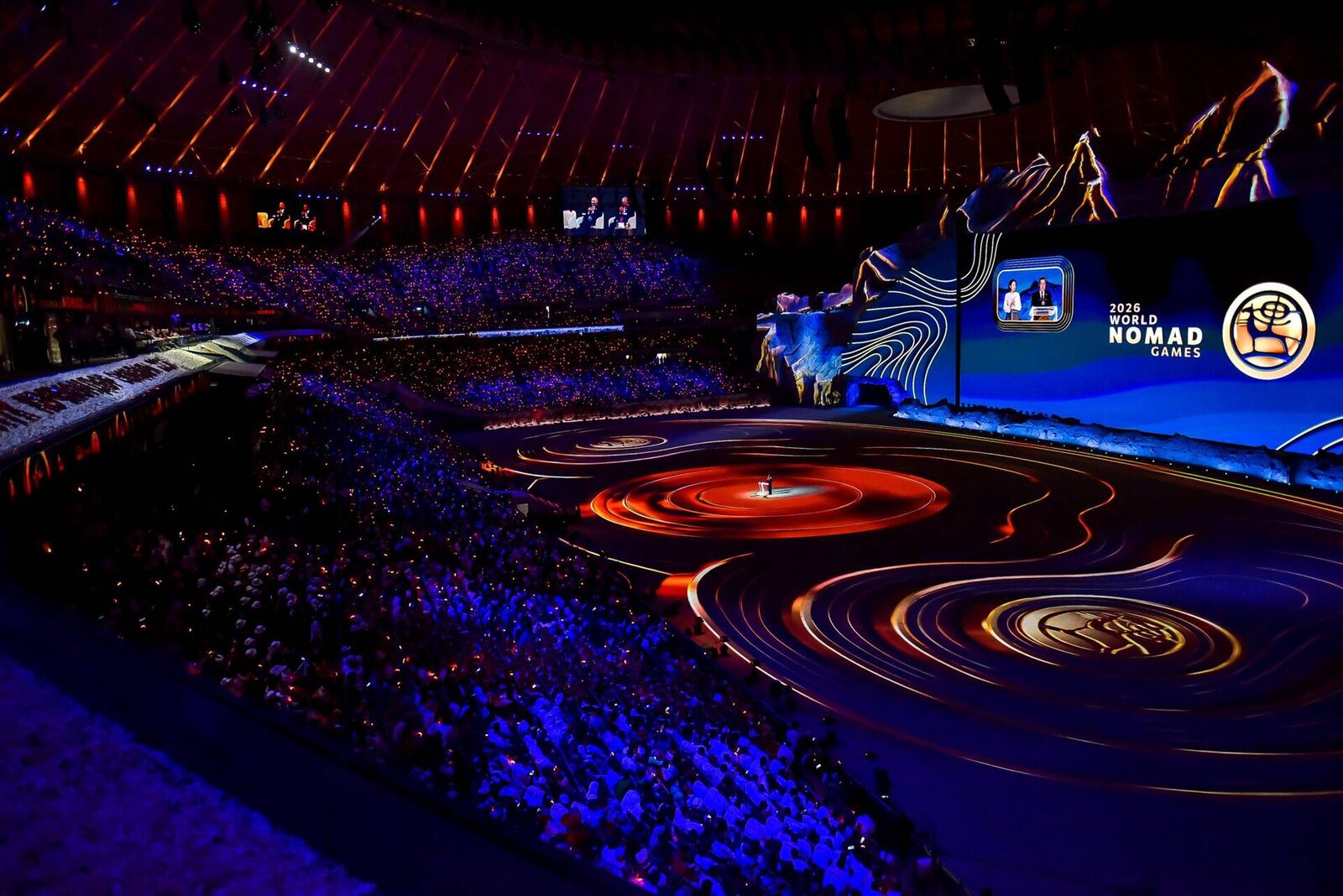
The 2026 Winter Paralympics ran from 6 to 15 March at the same Milan-Cortina venues as the Olympics, with wheelchair curling starting slightly earlier on 4 March. The Games opened in the Roman arena in Verona, where the Olympics had closed two weeks earlier, and closed at the Olympic ice stadium in Cortina d'Ampezzo.
In all, 611 athletes from 55 National Paralympic Committees competed for 79 medal events across six sports: alpine skiing, biathlon, cross-country skiing, para ice hockey, snowboard and wheelchair curling.
The medal table
China topped the table for the second Winter Paralympics in a row, with 15 golds and 44 medals in total. The United States finished second with 13 golds and 24 medals, and Russia third with eight golds and 12 medals.
Host nation Italy had its best Winter Paralympics ever, with seven golds and 16 medals in total, a national record.
Firsts for new nations
Several nations made history in Milan and Cortina. Brazil won its first Winter Paralympic medal when Cristian Ribera took silver in the men's sitting sprint in cross-country skiing, the first by any tropical, Latin American or South American nation. It came a month after Lucas Pinheiro Braathen won Brazil's first Winter Olympic medal in the giant slalom, which made it a remarkable winter for a country with almost no snow sports tradition. Latvia also won its first Winter Paralympic medal, a bronze in mixed doubles wheelchair curling.
El Salvador, Haiti, Montenegro, North Macedonia and Portugal all made their Winter Paralympic debuts as competing nations. Iran had been expected to take part but withdrew because of travel restrictions.
 Team Korea's Winter Paralympics delegation at a homecoming ceremony, Incheon International Airport, March 17, 2026 (per the Korean-language banner text in the photo). Photo: C_OCED Trainholic, via Wikimedia Commons (CC BY-SA 4.0).
The controversy over Russia and Belarus
These were the first Winter Paralympics since Sochi 2014 at which Russian and Belarusian athletes competed under their own national flags. The International Paralympic Committee's decision to allow it was one of the defining stories of the Games.
Russia's third place on the medal table kept the issue in view throughout. Several nations, led by Ukraine, boycotted both the opening and the closing ceremonies in protest at the decision to let Russian and Belarusian athletes compete under their national flags.
It is a genuinely contested question in Para sport, not a settled one. The protesting nations argue that national flags and anthems cannot be separated from the war in Ukraine. The debate is worth understanding as context for how these Games were received, not just for their results.
What the Games showed
Beyond the politics, the Milan-Cortina Paralympics showed a movement that is still widening. A record-setting host nation, first medals for Brazil and Latvia and five debut nations point in the same direction: Winter Paralympic sport is no longer confined to the handful of countries with the snow, the facilities and the funding to dominate it. The next test is keeping that momentum going to the 2030 Games in the French Alps.