Kai Havertz Hamstring Forces Early Return to Arsenal After Nations League Blow for Germany
Germany striker Kai Havertz suffered a hamstring injury in a Nations League match and has flown back to Arsenal for treatment, raising questions for both the national side and his club ahead of crucial fixtures.
By Naomi Osei · 26 Sept 2026 · 3 min read · United States edition
 Getty
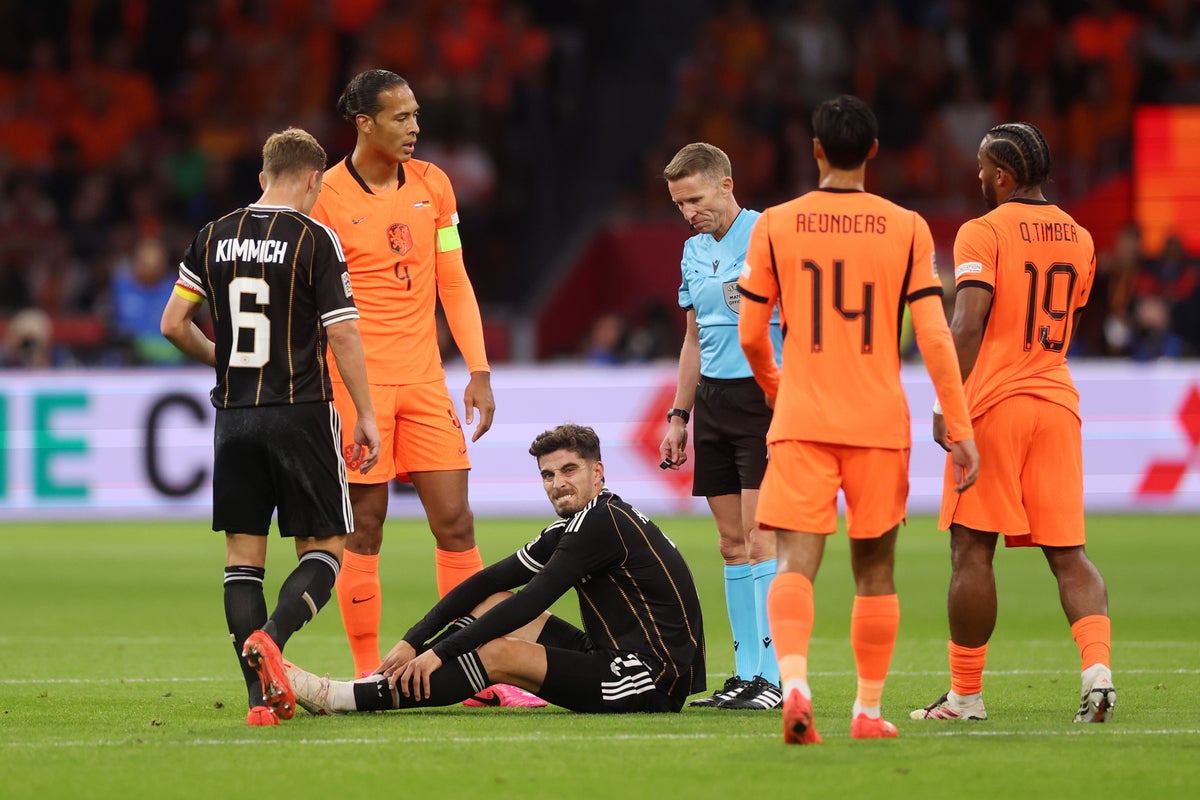
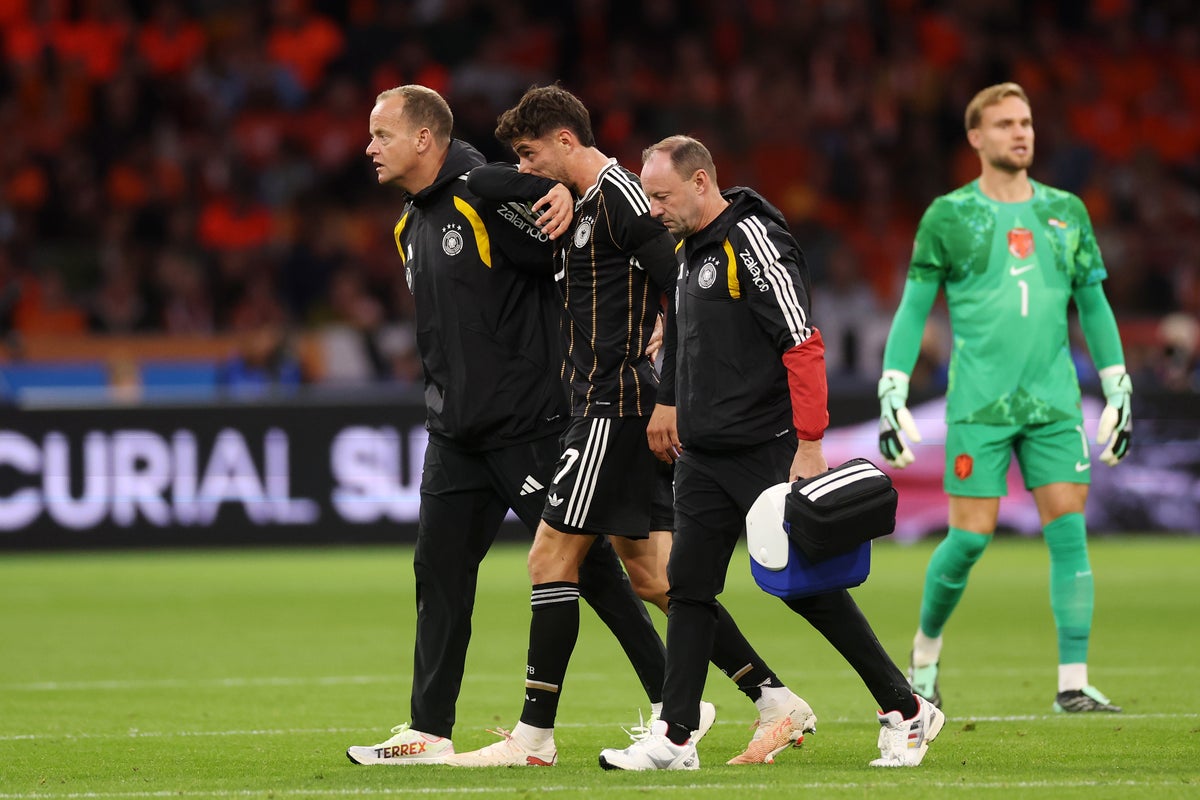
GettyKai Havertz’s hamstring problem was confirmed after Germany’s recent Nations League outing, prompting an immediate return to Arsenal for specialist care. The injury, sustained in the middle of a competitive international fixture, removes one of Germany’s most versatile attackers from the squad at a pivotal stage in the league’s second round, while also disrupting Arsenal’s midfield options as they prepare for a demanding Premier League schedule.
For Germany, Havertz has been a key component in the manager’s tactical flexibility, capable of operating across the front line and linking play between midfield and attack. His absence forces the national team to rely more heavily on other forwards, many of whom have been rotated throughout the qualification campaign. While Germany possesses depth, the loss of a player who can both create and finish narrows the tactical palette, especially in matches where breaking down organized defenses becomes a priority.
In the Nations League context, Germany is vying for a top spot in its group, and every point matters. Havertz’s injury means the coach must adjust the line‑up for upcoming fixtures, potentially elevating less experienced players or reshuffling the attacking formation. Historically, Germany has managed to compensate for individual absences, but the timing of this setback—midway through a congested international window—could affect the team’s rhythm and chemistry as they approach the decisive matches.
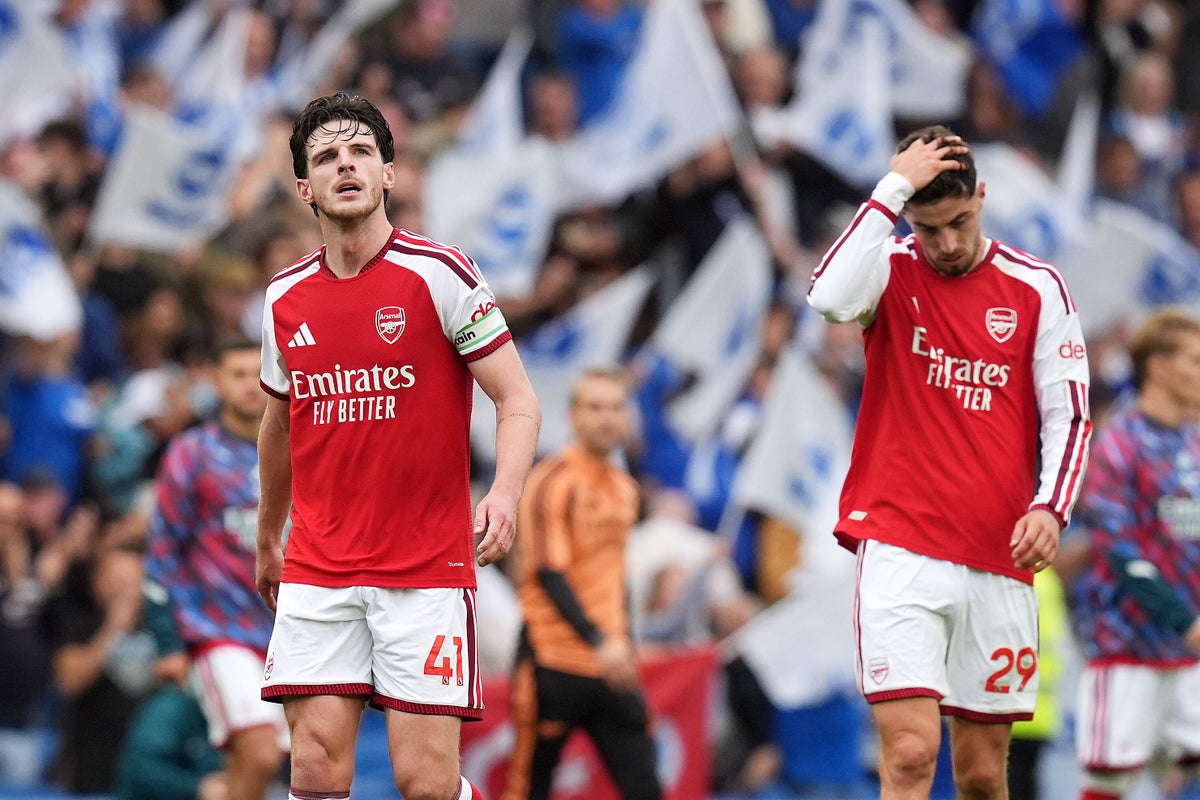
Arsenal, meanwhile, faces its own set of challenges. The club is balancing a Champions League run, a Premier League title push, and domestic cup commitments. Havertz’s return for treatment means the coaching staff can assess his condition directly, but it also raises questions about squad rotation and the depth of the midfield. Arsenal’s recent fixtures have highlighted a reliance on a core group of players, and the loss of Havertz could compel Mikel Arteta to experiment with alternative options, potentially accelerating the integration of younger talents or prompting a tactical shift.
The incident also underscores a broader conversation about player workload between club and country. Havertz’s involvement in both a high‑intensity league and international competition within a short timeframe may have contributed to the strain that resulted in the hamstring issue. It reignites the debate over how national teams manage the minutes of key players, especially when they are integral to their clubs’ ambitions, and whether coordinated recovery protocols could mitigate such risks.
Looking ahead, the timeline for Havertz’s return will be closely monitored by both Germany’s coaching staff and Arsenal’s medical team. Hamstring injuries can vary widely in recovery time, but a cautious approach is typical, especially given the premium placed on his fitness for upcoming high‑stakes matches. Both entities are likely to adopt a collaborative stance, sharing medical insights to ensure that the striker does not rush back prematurely, which could jeopardize his long‑term availability.
In sum, Kai Havertz’s hamstring setback serves as a reminder of the fine balance between international duty and club responsibilities. For Germany, the injury narrows the pool of attacking options at a crucial juncture in the Nations League, while Arsenal must adapt its midfield strategy amid a packed calendar. The next few weeks will reveal how both teams adjust, and whether Havertz’s recovery can be managed without compromising the competitive objectives of either side.