Callaway Cuts Ties With Good Good Golf Over a Widely Condemned Ad
A commercial showing a Good Good co-founder pushing a female golfer to the ground ended a three-year partnership within a week, with retailers pulling stock and Callaway committing $1 million to prevent violence against women.
By Miles Ashworth · 27 Aug 2026 · 3 min read · United States edition
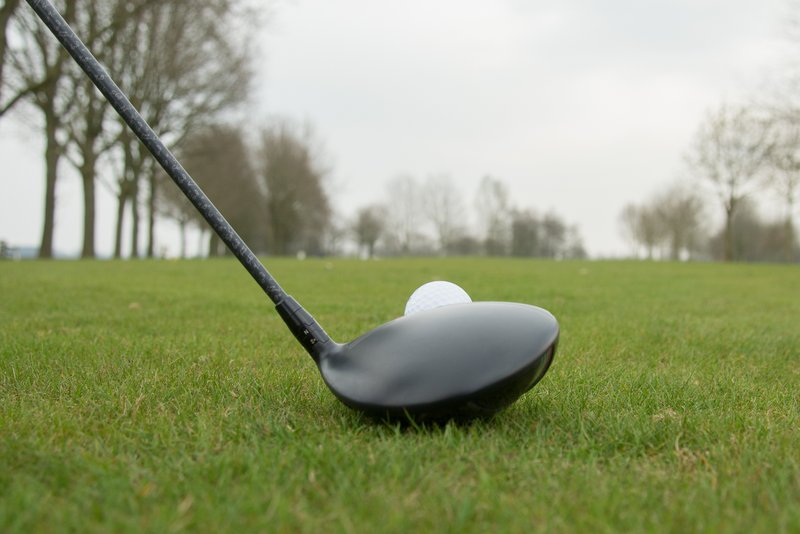 A golf driver and ball. Photo: Skitterphoto, via Wikimedia Commons (CC0).
Callaway Golf ended its three-year partnership with content brand Good Good Golf on Thursday 27 August, "effective immediately", after a commercial for their co-branded Quantum driver provoked a week of backlash. Callaway also committed $1 million to organisations working to prevent violence against women, support survivors and fund education and awareness.
What the ad showed
The video was posted on 21 August. In it, Good Good co-founder Garrett Clark says "Do not touch my new driver" and pushes golfer Alexis Miestowski to the ground as she reaches for the club, then stands over her. Many viewers said it depicted violence against a woman and played it for laughs, and the clip spread quickly beyond golf's usual audience. Good Good removed it within days.
Good Good's CEO, Matt Kendrick, said the ad had been "intended to be a parody" of the 2026 horror film Obsession, and conceded that "the execution missed the mark."
Why Callaway walked away
What made the story worse for Callaway was that it could not claim to have been surprised. Chief executive Chip Brewer said that while Good Good had produced the video, Callaway had approved it before it was posted. "That approval should have never happened," he said. "Mistakes were made and we are taking the matter very seriously."
The first apologies from both companies came the weekend after the ad went up, but they did not stop the story. On Wednesday Golf Channel postponed the premiere of Big Break x Good Good, a new series built around the brand. Late that night Clark posted a self-shot video apologising on behalf of himself and Good Good. By then the pressure had moved to the retailers.
The fallout
Golf Galaxy, Dick's Sporting Goods and PGA Tour Superstore all began pulling Good Good merchandise from their shelves. The PGA Tour's chief executive, Brian Rolapp, criticised Good Good's initial response as "a bit defensive and late." On the Thursday, Callaway ended the partnership.
The markets noticed too. Callaway's share price, which had been up around a third for the year, fell from a mid-July high of $19.66 to $15.60 by the afternoon of the announcement. It is hard to say how much of that was the Good Good story and how much was the wider market, but the timing did not help.
Who Good Good are
Good Good started as a YouTube channel in 2020, making golf entertainment rather than instruction, built around matches, challenges and a cast of recurring personalities. It grew into one of the biggest creator brands in the sport, raised $45 million from investors including Peyton Manning's Omaha Productions, and expanded into its own apparel line sold by the same major retailers that have now pulled it.
There is also a tournament carrying the brand's name, the Good Good Championship, scheduled for 9 to 15 November. How its partners and sponsors approach that after this week remains to be seen.
What it says about golf's new sponsorship model
Golf's sponsorship world increasingly leans on creator partnerships like this one. Equipment companies want the younger audiences that YouTube brands can reach, and creator brands want the credibility and distribution of a major manufacturer. Callaway and Good Good's co-branded products were a clear example of that trade.
This is a reminder of how quickly that relationship can end when the content itself becomes the story, and how directly it can hit the larger, publicly traded partner. For Callaway, the lesson was expensive: a campaign meant to reach a new audience ended with an apology, a $1 million donation and a three-year partnership ended within a week of one video.