Socceroos Captain Maty Ryan Omitted as Seven Uncapped Players Head to Brazil
Maty Ryan was left out of the Socceroos squad for the Brazil friendly series, with seven players making their first senior call‑up.
By Nathan Pryce · 18 Sept 2026 · 3 min read · United Kingdom edition
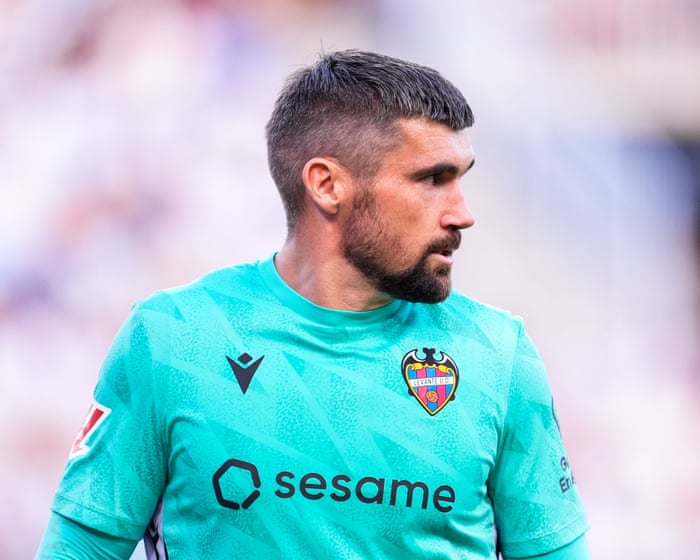 Photograph: Joaquin Corchero/AFP7/Shutterstock
The latest Socceroos squad announcement sent a shockwave through Australian football: captain Maty Ryan was not named for the high‑profile friendly series against Brazil, while seven uncapped players earned a first senior call‑up. In a nation where the captain’s presence often serves as a stabilising force, the decision raises immediate questions about the direction the coaching staff intend to take, especially ahead of a marquee opponent.
Excluding a captain at any stage is a statement, intentional or not. It suggests that the selection panel is willing to disrupt the established hierarchy in favour of a broader evaluation of talent. Whether the omission stems from form, fitness, tactical fit, or a desire to inject fresh competition, the fact remains that the captain’s absence forces a re‑examination of leadership within the camp. It also signals to the senior cohort that no place is guaranteed, a reality that can either galvanise the squad or sow uncertainty.
The inclusion of seven uncapped players amplifies the experimental tone of the call‑up. For a nation that has long struggled to consistently field a world‑class side, injecting new blood can be a pragmatic way to widen the talent pool and create internal competition for starting spots. These newcomers will be thrust onto a stage that pits them against a footballing powerhouse, offering a rare opportunity to test their mettle and potentially fast‑track their development. Their performances could reshape selection debates long after the friendlies are over.
With the captain out of the picture, the void in on‑field leadership must be filled by other senior members. Players who have previously operated in supporting roles now face the prospect of assuming greater responsibility, both in organising play and in setting the tone during high‑pressure moments. This shift can accelerate the emergence of alternative leaders, diversifying the team’s command structure and perhaps reducing over‑reliance on a single figure.
From a tactical perspective, the lack of an established captain may compel the coaching staff to simplify certain aspects of the game plan, relying more on collective cohesion than on individual direction. Facing Brazil, a side renowned for technical brilliance and relentless intensity, the Socceroos will need to compensate for any leadership deficit with disciplined organization and clear communication. The seven newcomers will be under a microscope, and their ability to adapt quickly could directly influence the team’s competitive edge.
Looking ahead, Maty Ryan’s exclusion could have lasting implications for his role within the national setup. If the experiment proves successful, it may herald a broader reshuffle of senior positions, prompting the captain to either fight his way back into contention or consider a reduced profile. Conversely, a poor showing by the uncapped cohort could reinforce the value of experienced leadership, potentially prompting a swift reinstatement of the former skipper. Either outcome will shape the narrative around his future at the helm.
For supporters and pundits alike, the key takeaway is that Australian football is at a crossroads. The decision to bench the captain and hand the reins to seven fresh faces signals a willingness to gamble on potential over pedigree. The forthcoming Brazil fixtures will serve as a litmus test for this gamble, revealing whether the Socceroos can thrive on a blend of youthful vigor and emergent leadership or whether the absence of a proven captain proves too costly. The next few weeks will define not just the immediate results, but the strategic trajectory of the national team for years to come.