Scott McTominay’s Minor Heart Surgery Rules Him Out of Scotland Fixtures
Midfielder Scott McTominay has undergone minor heart surgery and will miss Scotland’s upcoming matches, forcing a tactical reshuffle for the national side.
By Callum Reid · 1 Sept 2026 · 3 min read · United Kingdom edition
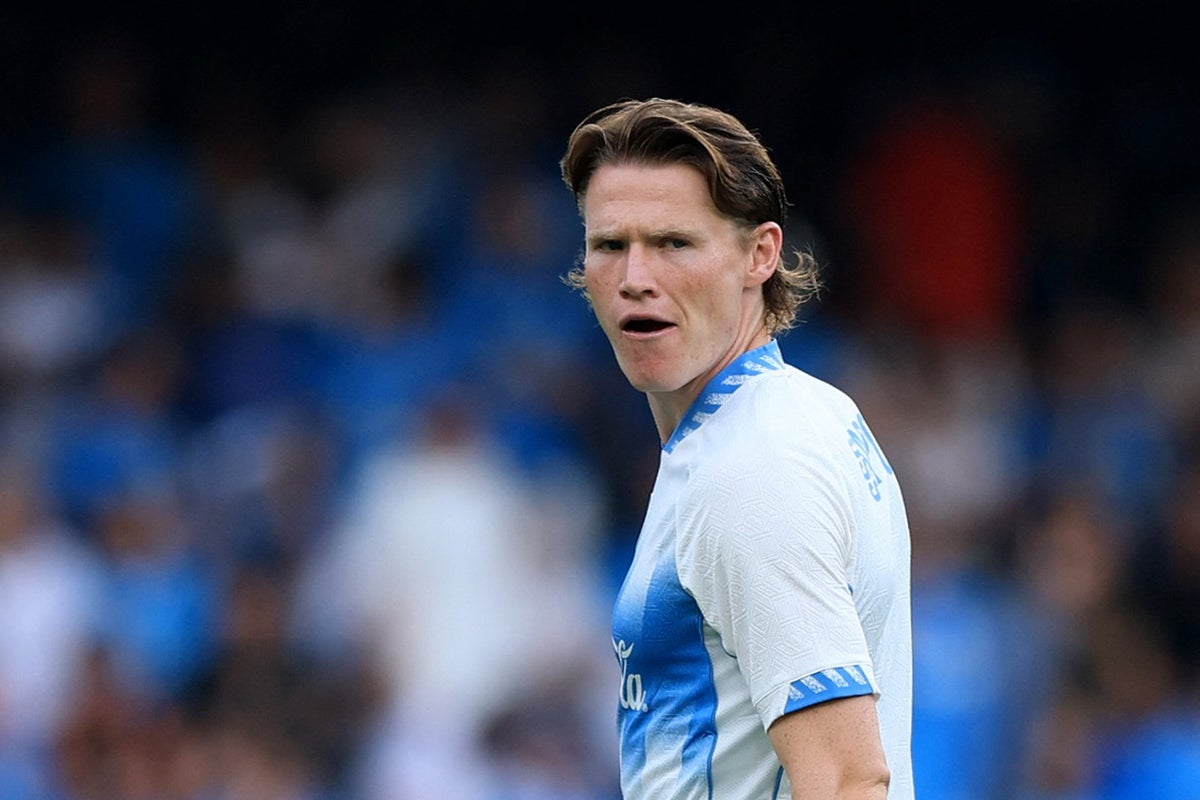 Reuters
Scott McTominay’s recent minor heart surgery has been confirmed as the reason he will sit out Scotland’s forthcoming fixtures. The midfielder, who has become a regular fixture in the national team’s midfield, is now facing a short period of enforced inactivity while medical staff assess his recovery. The news arrives at a critical juncture for Scotland, which will be looking to maintain continuity and competitive edge in the matches ahead.
The nature of a minor heart procedure, while not life‑threatening, still demands a cautious approach for any professional athlete. Modern sports medicine typically allows for a gradual return to full training once cardiac function is verified as stable, but the timeline can vary based on individual response. For a player of McTominay’s stature, the priority is a full clearance rather than a rushed comeback, ensuring both his long‑term health and the integrity of his performance when he returns.
On the pitch, McTominay’s absence removes a blend of physicality and experience that has become a staple of Scotland’s midfield composition. He often provides a box‑to‑box presence, linking defensive duties with forward thrusts, and his work rate has been a reliable factor in the team’s balance. Losing that component forces the coaching staff to rethink how they will sustain midfield solidity without compromising defensive cover or attacking support.
From a tactical perspective, Scotland will need to adapt its shape to compensate for the void. The manager may opt to adjust the midfield formation, perhaps shifting from a three‑man central unit to a double‑pivot or deploying a more creative midfielder deeper to fill the gap. The decision will hinge on the available personnel and the specific demands of each opponent, but the underlying message is clear: flexibility will be essential, and the team cannot rely on the same patterns that have been built around McTominay’s presence.
The situation also opens a door for other midfielders on the fringe to step into a more prominent role. Squad depth is always a topic of debate, and an enforced vacancy offers a practical audition for players seeking to prove they can handle the intensity of international duty. Those who seize the opportunity could not only earn valuable minutes but also demonstrate the breadth of talent that Scotland possesses, potentially reshaping selection dynamics beyond the immediate fixtures.
Beyond the tactical adjustments, there is a psychological element to consider. The squad’s morale can be affected when a teammate faces a health scare, even when the surgery is classified as minor. The collective response—supportive messages, a united locker‑room atmosphere, and a focus on the next match—can reinforce cohesion. Meanwhile, McTominay’s own mindset during recovery will influence his eventual return; a measured and confident approach will aid both his personal rehabilitation and his reintegration into the side.
Looking ahead, the immediate concern for Scotland is to manage the short‑term gap while preserving the long‑term outlook for McTominay’s career. The coaching staff must balance the desire to field a competitive lineup with the responsibility of not over‑extending the available options. If the medical team clears him in due course, his comeback could inject fresh impetus into the squad, but until then the focus will be on pragmatic adjustments, squad rotation, and maintaining a resilient team ethos. The episode underscores how quickly health issues can reshape national‑team planning, reminding everyone involved that depth, adaptability, and player welfare are inseparable pillars of success.