Sabalenka Overcomes Cannabis Smell Disruption to Advance at US Open
Aryna Sabalenka paused her US Open match against Ekaterina Rakhimova after a cannabis odor was detected, then resumed play and moved on to the next round.
By Callum Reid · 4 Sept 2026 · 3 min read · United Kingdom edition
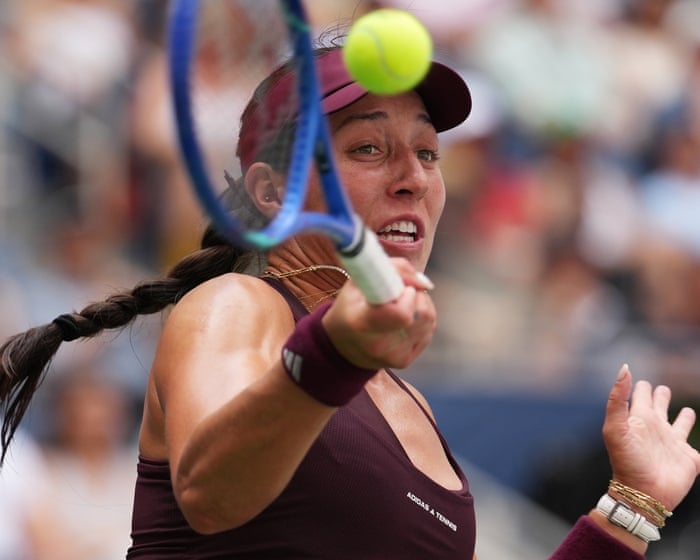 Photograph: Kirsty Wigglesworth/AP
Aryna Sabalenka’s US Open match against Ekaterina Rakhimova took an unexpected turn when a cannabis smell prompted officials to suspend play. The interruption was brief but unmistakable, forcing both competitors to step back from the baseline while officials assessed the situation. In a tournament where every second counts, such a pause is an anomaly that instantly reshapes the rhythm of a match.
The presence of an illicit odor in a Grand Slam arena raises immediate questions about venue control and player safety. While the source of the smell was never disclosed, the fact that officials deemed it sufficient to halt a live match suggests a low tolerance for any potential breach of tournament regulations. For the athletes, the abrupt sensory shift can be disorienting, demanding a rapid mental reset that few are prepared for in the heat of competition.
Sabalenka’s response to the disruption was a study in composure. After the brief halt, she returned to the court and continued her contest, ultimately securing the win and advancing. The ability to refocus after an external disturbance speaks to a mental resilience that separates top-tier competitors from the rest of the field. In a sport where momentum can swing on a single point, her capacity to regain footing underscores a professionalism that cannot be ignored.
From the tournament’s perspective, the incident forces a review of protocols surrounding unexpected environmental factors. The US Open, like any major event, has established procedures for dealing with on‑court issues, but a smell of this nature tests the limits of those guidelines. Ensuring that future matches are insulated from similar interruptions will become a priority, not just for the sake of fairness but also to protect the integrity of the broadcast and spectator experience.
The ramifications extend beyond the immediate match. Players watching from the stands or on television may now view the venue with heightened scrutiny, wondering whether other unnoticed factors could influence play. Organisers will likely face pressure to demonstrate that such an occurrence was isolated and that comprehensive measures are being taken to prevent recurrence. Transparency in how the situation was resolved will be crucial for maintaining confidence among participants and fans alike.
While the incident does not directly implicate any athlete in wrongdoing, it does intersect with broader conversations about substance policies and the enforcement of anti‑doping rules. The detection of a cannabis odor, regardless of its origin, triggers a chain reaction that could involve further testing or investigation, depending on tournament regulations. Even absent formal penalties, the mere association can cast a lingering shadow over the event’s reputation.
Looking ahead, Sabalenka’s progression after the disruption sends a clear signal: she is capable of navigating unforeseen challenges without losing her competitive edge. For the US Open, the episode serves as a reminder that even the most meticulously managed sporting environments can encounter unexpected variables. How the organizers address this incident will shape perceptions of the tournament’s operational rigor, while Sabalenka’s poise reinforces her standing as a player who can thrive under pressure, regardless of the obstacles that arise.