Premier League admits VAR error in Nottingham Forest‑Liverpool penalty decision
Premier League officials confirmed a VAR mistake in the penalty call during the Nottingham Forest vs Liverpool match, raising questions about the technology’s reliability and officiating standards.
By Callum Reid · 9 Sept 2026 · 3 min read · United Kingdom edition
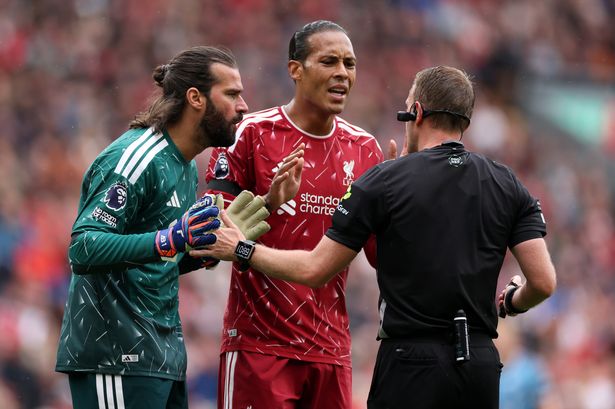 via Mirror Football
The Premier League’s admission that a VAR error influenced a penalty decision in the Nottingham Forest versus Liverpool fixture is a stark reminder that the technology, while intended to reduce controversy, is not infallible. The acknowledgement came after two independent outlets reported the mistake, confirming that the governing body itself has recognised a clear lapse in the officiating process. For supporters of both clubs, the revelation cuts to the core of what fairness means in a high‑stakes competition.
VAR was introduced to provide a safety net for referees, promising precision where human error once ruled. An admission of a mistake therefore undermines the confidence placed in the system and forces a re‑examination of how those video reviews are conducted. It is one thing for a contentious decision to be debated; it is another for the league to publicly concede that the technology delivered the wrong call. That distinction matters because the Premier League’s credibility rests on its ability to enforce consistent standards across all fixtures.
The immediate impact of a botched penalty call is, of course, felt on the pitch. Even without reference to the final score, a penalty can swing momentum, alter tactical approaches, and affect player psychology. When the decision is later shown to be incorrect, the shadow it casts can linger, leaving players and coaches questioning whether the result truly reflected the balance of play. While the match is already concluded, the lingering doubt may shape narratives around the teams’ performances and their respective campaigns.
From an administrative perspective, the Premier League’s willingness to own up to the error could be seen as a step toward greater transparency. Historically, officiating bodies have been reticent to admit mistakes, preferring to protect the image of infallibility. By acknowledging the VAR failure, the league sets a precedent that errors will not be swept under the rug. This could encourage more rigorous post‑match reviews and perhaps a tightening of the protocols that govern when and how video assistance is applied.
For Nottingham Forest and Liverpool, the admission has practical ramifications beyond the immediate match. Both clubs will likely use the incident as a bargaining chip in any future discussions about officiating standards, especially if they feel disadvantaged by the erroneous call. The psychological blow to players who were on the receiving end of a bad decision can be significant, potentially influencing their confidence in subsequent fixtures. Conversely, the club that benefited from the mistake may find its own achievements under a cloud of skepticism, a factor that can affect morale.
The broader debate surrounding technology in sport is now reinvigorated. Critics of VAR argue that the system introduces new layers of complexity and subjectivity, while supporters maintain that it remains the best tool we have to curb clear errors. This incident forces stakeholders to ask whether the current implementation strikes the right balance, or whether additional safeguards—such as clearer guidelines or an independent review panel—are necessary to prevent repeat occurrences.
Looking ahead, the Premier League will need to demonstrate that it can learn from this misstep. Whether through refined training for video officials, enhanced communication protocols, or a more transparent review process, the league’s response will be watched closely by clubs, players, and fans alike. The Nottingham Forest‑Liverpool VAR error serves as a cautionary tale: technology can improve the game, but it also demands vigilant oversight to ensure that the pursuit of fairness does not become a source of new controversy.