Milan-Cortina Winter Olympics 2026
Norway topped the table with a record 18 golds, Brazil won its first-ever Winter Olympic medal, and the first two-city Winter Games in history wrapped up in Italy. The medal table, the standout stories, and the host-city legacy question.
By Miles Ashworth · 23 Feb 2026 · 1 min read · United Kingdom edition
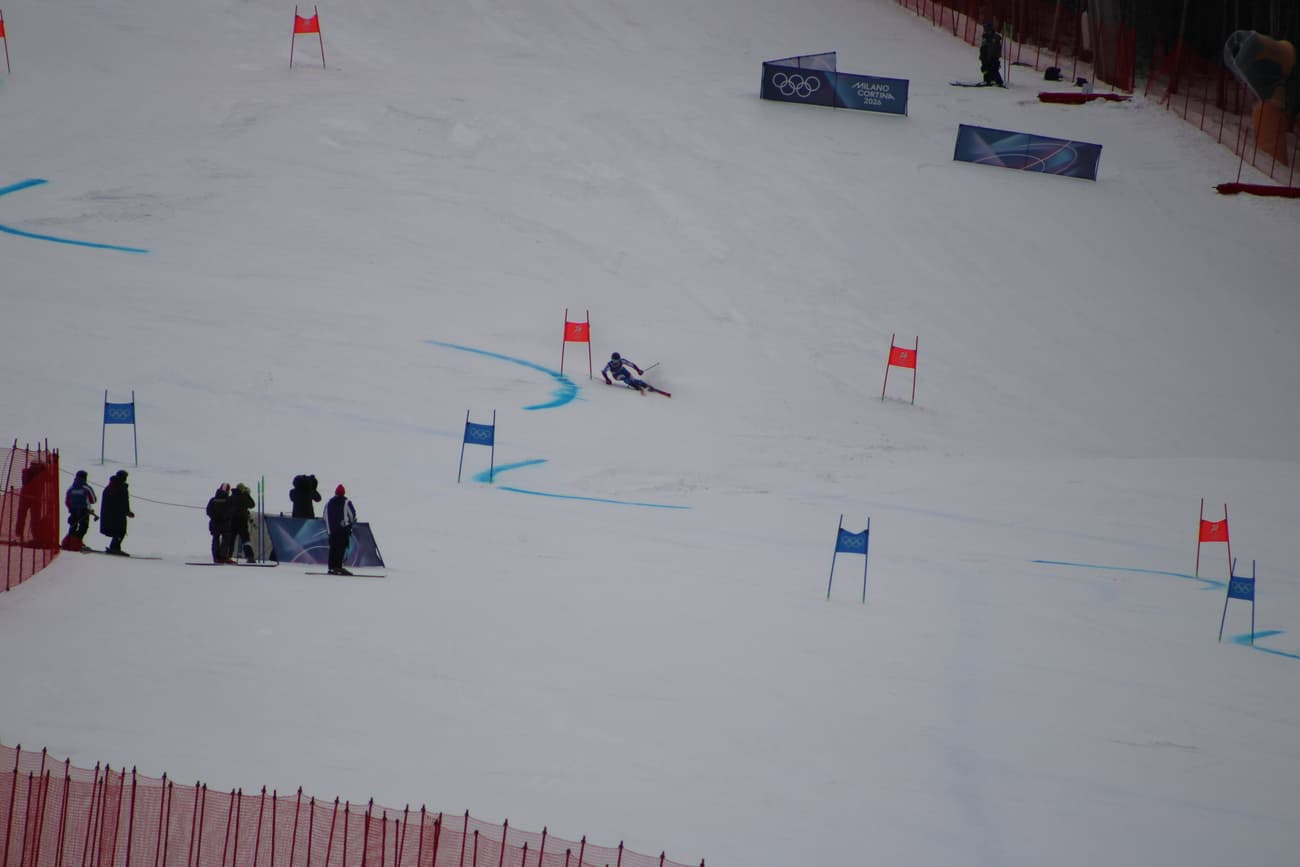 French skier Alban Elezi Cannaferina competing in the first run of the men's giant slalom on the Stelvio slope, Bormio, February 14, 2026. Photo: Dispe, via Wikimedia Commons (CC0).
The 2026 Winter Olympics ran February 6 to 22 in Milan and Cortina d'Ampezzo, the first Winter Games ever shared between two host cities, with ice events and the ceremonies in Milan and snow sports based in Cortina. Norway topped the medal table with a record 18 gold and 41 total medals, the most golds any nation has ever won at a single Winter Olympics. The United States finished second with 12 gold, while the Netherlands and Italy tied for third with 10 gold each, a strong showing for the host nation.
The most genuinely historic result of the Games belonged to Brazil, which won its first-ever Winter Olympic medal, a gold, also the first Winter Olympic medal ever won by a tropical, Latin American or South American nation. It's the kind of result that reshapes how the Winter Games get talked about outside their traditional cold-weather strongholds.
Host City Legacy
Splitting hosting duties between Milan and Cortina was itself a notable structural choice for the IOC, a departure from the single host-city model that's defined the Winter Games for decades. Whether it becomes a template for future editions, or stays a one-off shaped by Italy's specific bid, is one of the real open questions coming out of these Games.
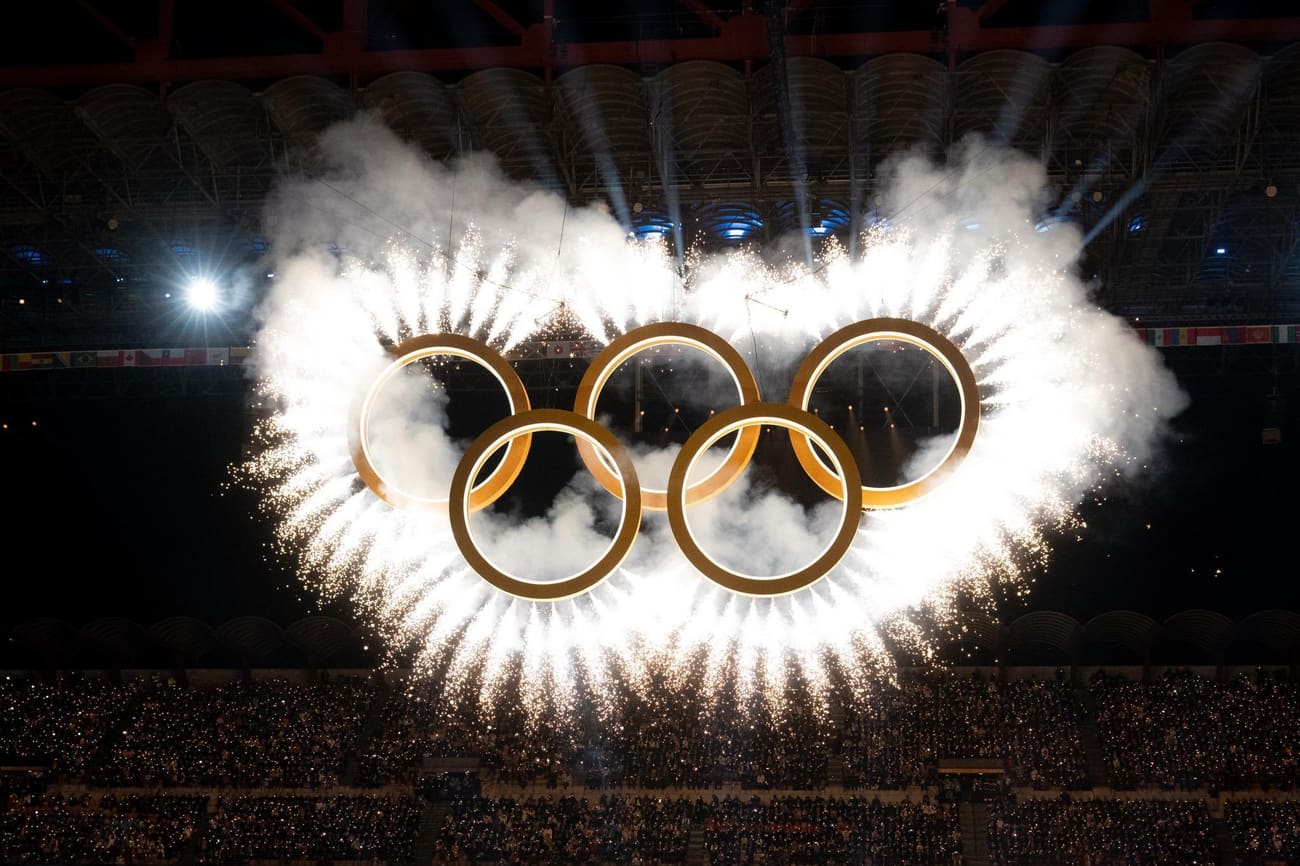 The Olympic rings lit with fireworks during the opening ceremony of the 2026 Winter Olympics, February 6, 2026. Photo: Vice President JD Vance, via Wikimedia Commons (public domain, U.S. government work).