Mike Dean’s Mini‑Game Comments Spark Premier League Referee Fallout
Former Premier League referee Mike Dean drew criticism after admitting he played mini‑games during matches, then issued a clarification to quell the controversy.
By Naomi Osei · 4 Sept 2026 · 3 min read · United Kingdom edition
 PA
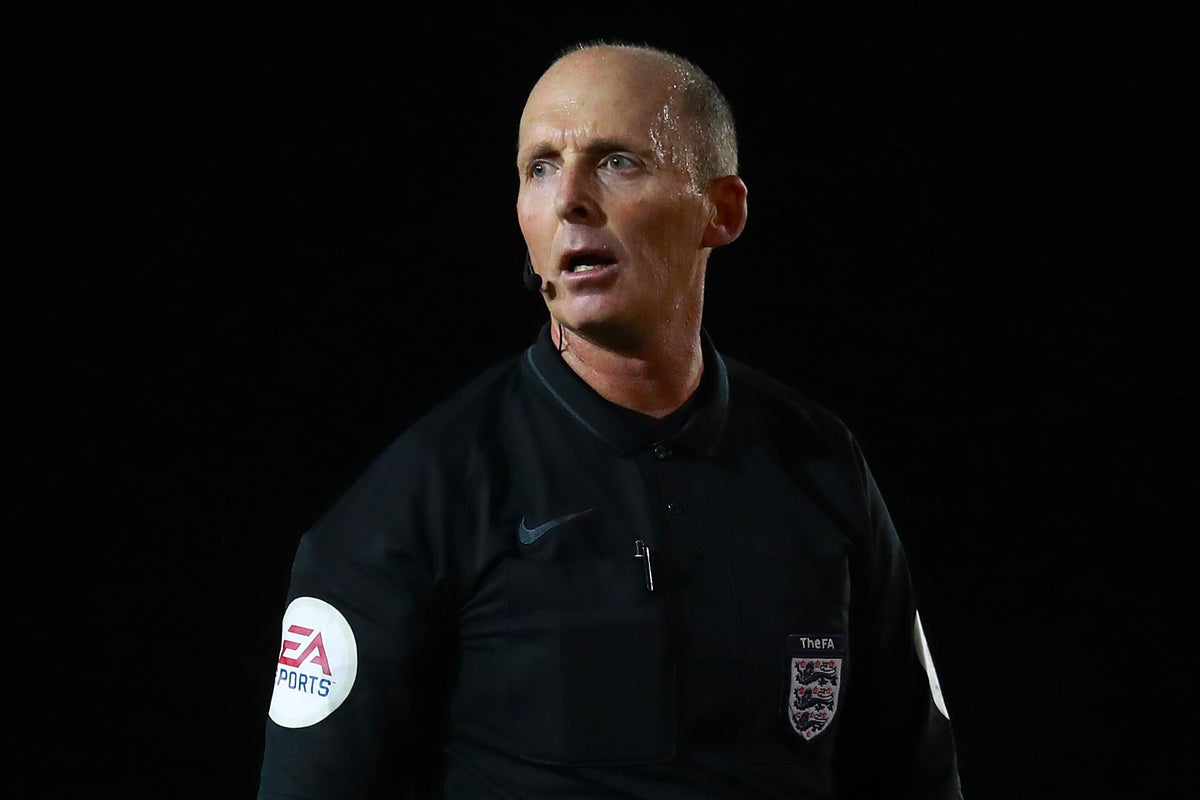
PAMike Dean, a veteran of the Premier League refereeing roster, found himself at the centre of a media storm this week when he openly admitted to playing mini‑games on the touchline during live fixtures. The admission, made in a post‑match interview, prompted an immediate backlash from fans, pundits and former colleagues, who questioned the appropriateness of such behaviour in a professional setting. Dean’s subsequent clarification, in which he sought to contextualise his remarks, has kept the discussion alive beyond the initial outrage.
The controversy touches on a long‑standing expectation that referees maintain a posture of impartial focus throughout a match. In the modern game, officials are expected to embody both authority and composure, with any deviation—real or perceived—potentially eroding the trust that underpins their decisions. Dean’s admission, regardless of intent, broke the implicit contract that the referee’s mind remains solely on the flow of play, and it forced observers to reconsider what constitutes acceptable on‑field conduct.
Public reaction was swift and largely negative. Social media platforms lit up with criticism, highlighting a broader fatigue with perceived lapses in officiating standards. Fans argued that even a seemingly harmless pastime could distract a referee at crucial moments, while pundits pointed to previous high‑profile errors as evidence of a systemic need for stricter oversight. The intensity of the backlash underscores how the role of the referee has shifted from a background arbiter to a focal point of scrutiny in an age of instant replay and pervasive commentary.
Dean’s clarification attempted to draw a line between literal play and a figurative expression of staying mentally sharp. He suggested that the “mini‑games” were a shorthand for mental exercises aimed at maintaining concentration, not a literal distraction from the match itself. While the clarification softened some of the initial outrage, it also raised questions about communication protocols for officials. If a seasoned referee feels the need to explain a casual comment after the fact, it hints at a gap in the guidance provided to officials on public speaking and media interaction.
From a governance perspective, the incident may prompt the Professional Game Referees’ Association (PGRA) to revisit its training curriculum. Existing programmes already address fitness, decision‑making and rule knowledge, but less emphasis is placed on the optics of referee behaviour under the microscope of live television. Introducing modules on media literacy and on‑field conduct could help prevent future missteps, ensuring that referees can convey their mental preparation without inadvertently sowing doubt about their focus.
It is also worth noting that the notion of referees using quick mental diversions is not entirely new. In high‑pressure environments, brief mental resets can be a tool to prevent fatigue, much as athletes use visualisation techniques between plays. The key distinction lies in perception: a referee who openly admits to such practices risks being judged more harshly than a player, because the referee’s authority is derived from an expectation of unbroken neutrality. The episode therefore highlights the delicate balance officials must strike between personal coping mechanisms and the public’s demand for unwavering vigilance.
Ultimately, the Dean episode is a reminder that the modern Premier League referee operates under an unprecedented spotlight. Every gesture, word and off‑field comment is subject to instant analysis, and any hint of impropriety can quickly become a headline. As the game continues to evolve, the standards for officiating will likely tighten, demanding not only technical excellence but also flawless communication. For Mike Dean, the episode may serve as a cautionary tale about the cost of casual remarks, while for the broader refereeing community it reinforces the need for clear, consistent guidelines that protect both the integrity of the officials and the trust of the fans.