Manchester City found guilty of financial breaches – fans brace for possible title stripping
Manchester City have been ruled to have breached extensive financial regulations, sparking calls for sanctions including the removal of trophies, leaving supporters to grapple with the fallout.
By Bethan Vaughan · 1 Oct 2026 · 3 min read · United Kingdom edition
 PA Wire
The verdict that Manchester City have been found guilty of extensive financial regulation breaches landed on a Tuesday that felt oddly quiet for anyone who lives for the buzz of match‑day. For supporters, the news was a jolt – not just because it touches the club’s silverware, but because it strikes at the core belief that the game is a level playing field. When a club of this size is slapped with a breach, it ripples through the terraces, the pubs, and the living rooms where fans debate over pints. The initial reaction is a blend of disbelief and a nervous curiosity about what comes next.
At its heart, football is a sport where fans put their loyalty on the line week after week, often sacrificing time, money, and emotion. The idea that a club may have bent the rules to gain an advantage feels like a betrayal of that unwritten contract. Supporters don’t just cheer for goals; they cheer for the notion that the competition is fair. When the regulatory bodies say a club has broken those rules, it forces fans to confront an uncomfortable question: have the triumphs they celebrated been earned, or have they been tainted?
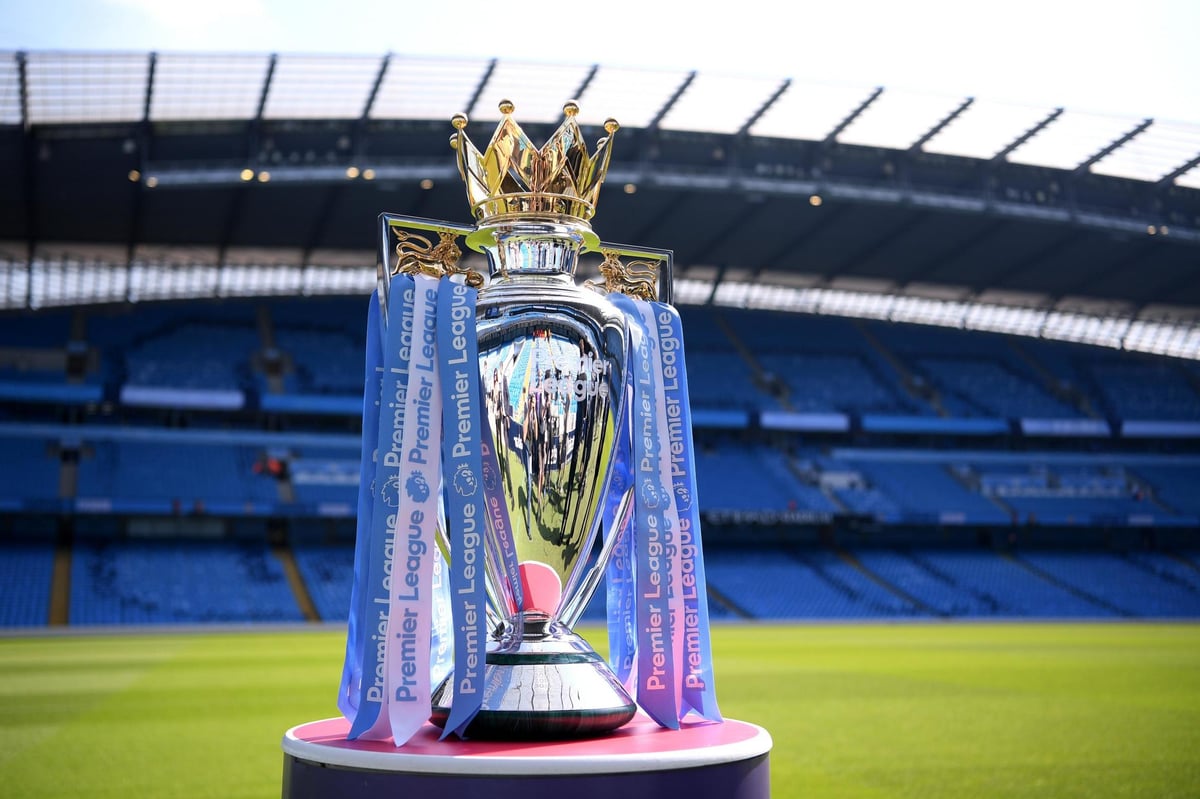
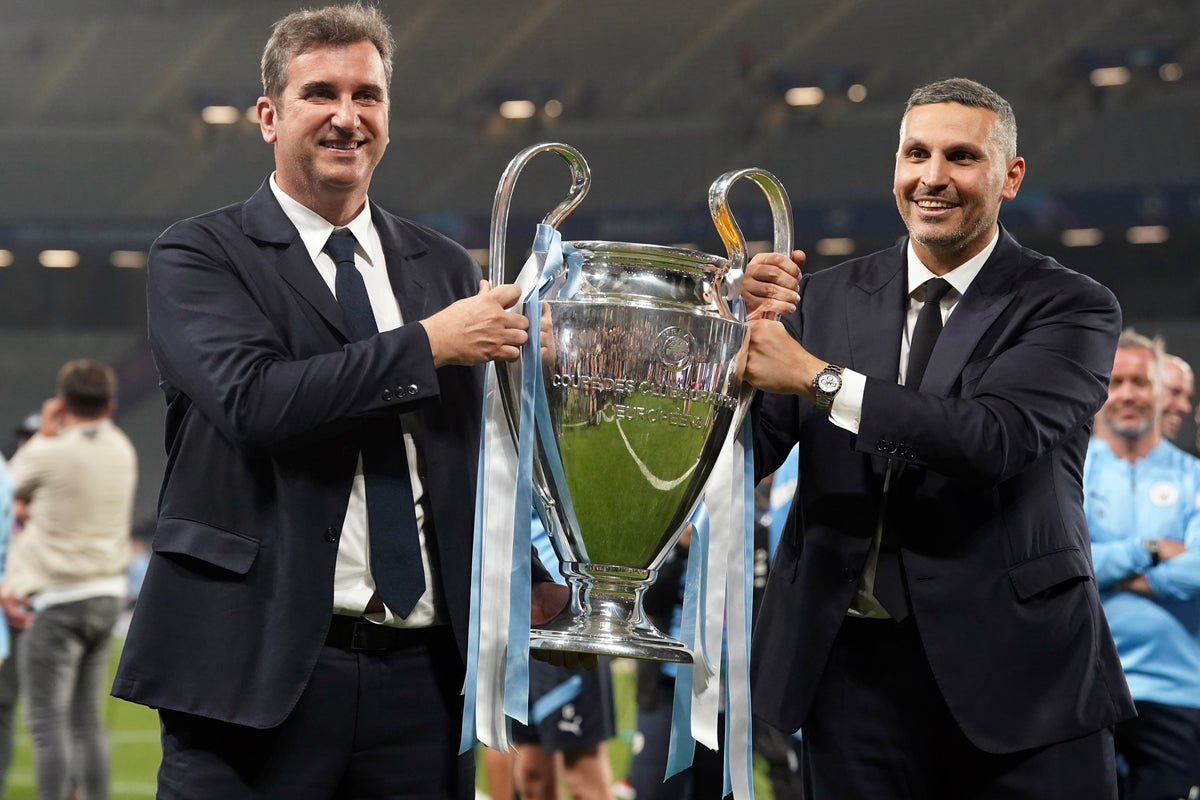
The call for sanctions, especially the prospect of stripping titles, is where the fan experience becomes genuinely painful. Trophies are more than metal and ribbons – they are markers of collective memory, the stories we tell our kids, the moments that define a generation’s love for the club. To imagine those symbols being taken away is akin to watching a photo album being burned. Yet for many supporters, the demand for such penalties is also a way of insisting on accountability, a plea that the sport’s integrity be protected for everyone who plays, works, or watches.
From a broader perspective, this case could set a precedent that reshapes the league’s relationship with its biggest clubs. Fans of rival sides may feel a sense of vindication, while those who have long cheered the dominance of a well‑funded club might worry about a shift in the balance of power. It forces a conversation that rarely reaches the terraces: how much money should be allowed to flow into the game before it erodes the competitive spirit that makes the sport exciting for the average supporter.
On the ground, supporters are already organising their own forms of protest and solidarity. Social media threads are lighting up with calls for transparency, while local fan groups are planning gatherings to discuss how they can keep the community spirit alive regardless of what the governing bodies decide. The mood is a mixture of frustration and resolve – a determination not to let off‑field drama drown out the love of the game.
Looking ahead, the next steps will be watched as closely as any cup final. Fans will be counting on the authorities to act decisively, not just for retribution but to reassure everyone that the rules apply to all. A clear, consistent response could help restore faith, even if the outcome is painful. For supporters, seeing the process unfold with honesty will be as important as any final decision on the trophies.
In the meantime, the ordinary fan will keep chanting, keep wearing the colours, and keep gathering on match days, because the heart of a club is built on more than the silverware it hangs in the cabinet. Whatever the final ruling, the community of supporters will be the ones to keep the spirit of the club alive, reminding everyone that football’s true value lies in the shared moments that happen long after the headlines fade.