London City Lionesses land Nike front‑of‑shirt deal, the biggest commercial pact in women’s football
London City Lionesses have secured a front‑of‑shirt sponsorship with Nike, marking the most valuable partnership of its kind in the women’s game.
By Graham Pettifer · 4 Sept 2026 · 2 min read · United Kingdom edition
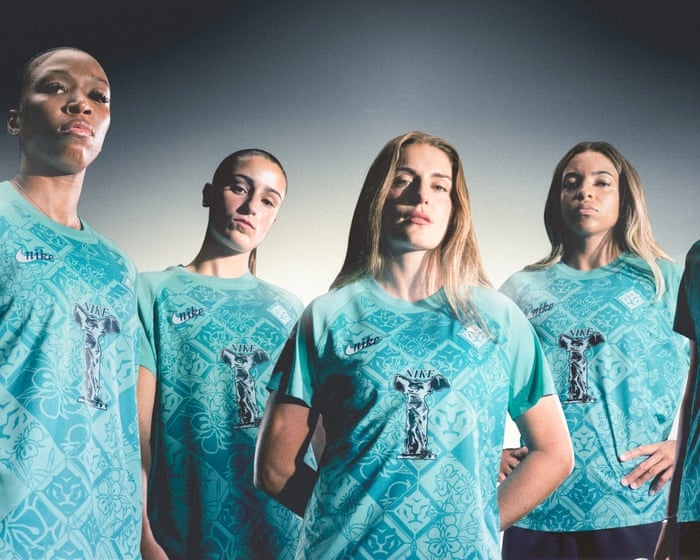 Photograph: London City Lionesses
London City Lionettes have taken a decisive step forward by signing a front‑of‑shirt sponsorship with Nike, a partnership hailed as the most valuable in the history of women’s football. The agreement places a globally recognised brand directly on the team’s kit, and its scale signals a shift that reaches far beyond a single club’s fortunes.
The commercial landscape of the women's game has been evolving for years, but the arrival of a heavyweight like Nike on a front‑of‑shirt arrangement underscores a new level of corporate confidence. Where past agreements often lingered in the background, this deal commands visibility in stadiums, broadcasts and everyday streetwear, suggesting that the market now perceives women’s football as a platform with substantial audience reach and brand affinity.
Historically, sponsorships in the women’s sector have tended to be modest, reflecting limited exposure and a narrower commercial appetite. Over time, however, the sport’s growing viewership and professionalisation have gradually expanded the pool of interested sponsors. The Lionesses’ contract can be seen as the latest expression of that long‑running trend, where incremental gains in popularity translate into increasingly ambitious commercial partnerships.
For the club itself, the infusion of resources that accompanies such a high‑profile deal opens a range of possibilities. Improved training facilities, enhanced scouting networks and broader community programmes become more attainable when financial backing is no longer constrained by smaller deals. In practical terms, the partnership may allow the Lionesses to invest in the kind of infrastructure that previously remained out of reach, thereby strengthening their competitive edge both on and off the pitch.
From a fan perspective, the presence of Nike on the kit is likely to elevate the club’s visual identity and broaden its appeal. A recognizable brand can attract new supporters who associate quality and style with the team, while also providing existing fans with a sense of pride in seeing their club aligned with a global name. This heightened visibility may encourage other clubs to pursue similarly ambitious sponsorships, potentially reshaping the commercial dynamics across the entire league.
Within the wider context of the league, the Lionesses’ agreement may act as a catalyst for a new era of sponsorship competition. As clubs observe the benefits of a high‑value partnership, they may seek to negotiate comparable arrangements, prompting a ripple effect that raises the overall financial health of the competition. Such an environment could foster a virtuous cycle, where increased investment leads to higher standards of play, which in turn draws even more commercial interest.
Looking ahead, the challenge will be to translate this commercial breakthrough into sustainable growth. While the immediate advantages are clear, the club must ensure that reliance on a single, large sponsor does not become a vulnerability should market conditions shift. Nevertheless, the partnership with Nike represents a watershed moment that, if managed wisely, could help cement the Lionesses’ place among the sport’s rising powers and contribute to the continued maturation of women’s football as a commercial and cultural force.