Jack Buchanan Leads Alfred Dunhill Links Championship as Rory Stewart Stands Out
Jack Buchanan tops the leaderboard at the Alfred Dunhill Links Championship while Rory Stewart delivers a standout round that could signal future contention.
By Naomi Osei · 2 Oct 2026 · 3 min read · United Kingdom edition
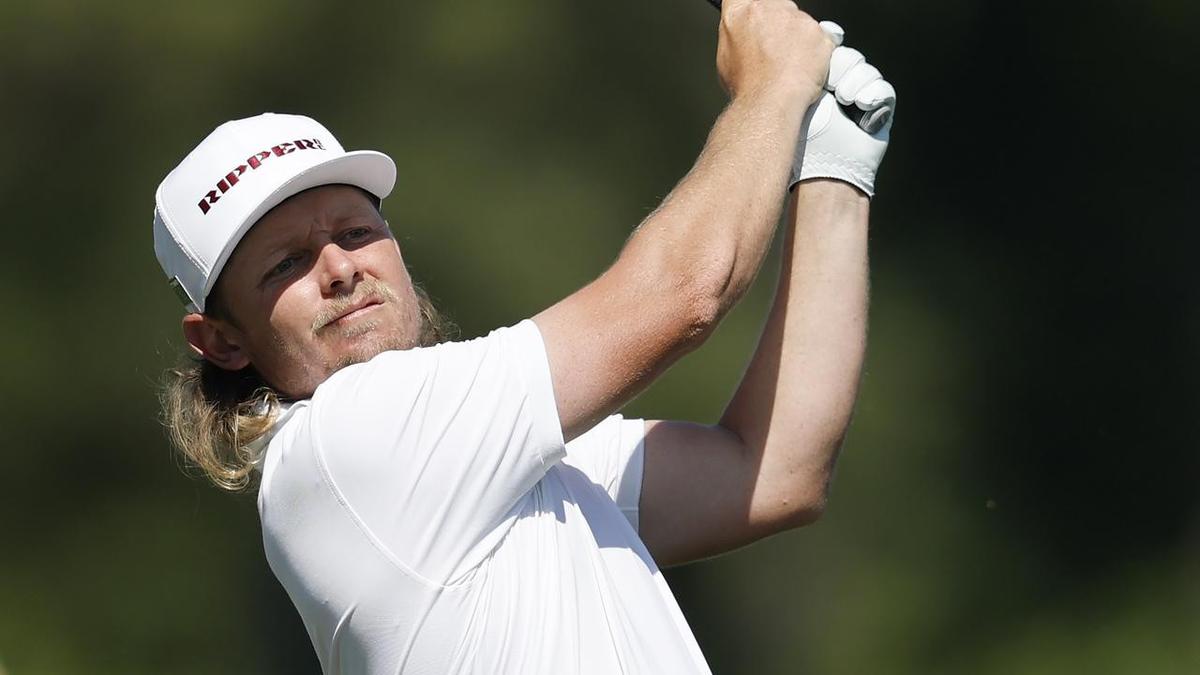 via PerthNow
The Alfred Dunhill Links Championship entered its final round with Jack Buchanan perched at the top of the leaderboard, while Rory Stewart delivered a performance that turned heads. In a field that blends seasoned tour professionals with elite amateurs, Buchanan’s lead signals a rare blend of composure and precision under the unique demands of a links rotation that includes St Andrews, Carnoustie and Kingsbarns. Stewart’s surge, meanwhile, suggests he may be more than a one‑round wonder.
Leading a tournament of this pedigree is never a static achievement. The Dunhill’s three‑course format tests a player’s adaptability, demanding a shift in strategy from the firm, wind‑swept fairways of St Andrews to the tighter, bunker‑laden corridors of Carnoustie. Buchanan’s position indicates he has negotiated those transitions without a major lapse in scoring, a hallmark of a player who can read variable winds and manage the mental fatigue that often unravels competitors in the closing stages.
Stewart’s standout performance, while not yet reflected in the final standings, is noteworthy for its timing. A surge in the penultimate round can alter the competitive narrative, forcing leaders to reassess their approach. Stewart’s ability to post low numbers on a day when the field as a whole struggled with the prevailing conditions demonstrates a level of shot‑making confidence that could translate into future contention, especially on courses that reward creativity over brute power.
The links environment itself adds a layer of complexity that amplifies any statistical outlier. Weather on the Scottish coast can swing dramatically, turning a fairway into a hazard in moments. Players who excel here often possess a keen sense of trajectory control and the patience to wait for the right moment to attack. Buchanan’s current standing suggests he has harnessed that patience, while Stewart’s recent round shows he can capitalize when the wind eases or the greens soften.
For Buchanan, the lead is more than a snapshot; it is a potential catalyst for the rest of his season. A victory at the Dunhill would not only add a prestigious title to his résumé but also provide a confidence boost that typically spills over into subsequent events, especially those on similar terrain. The psychological edge of having survived the pressure of a lead on a demanding course cannot be overstated, and it may well shape his approach to upcoming European Tour stops.
Stewart, meanwhile, can leverage this standout display as a springboard. In a tournament that blends amateurs with the pros, a single strong round can attract attention from sponsors and tournament directors alike. It also serves as personal validation that his game can compete with the elite when the conditions align. If he can translate the elements that made his recent round successful—whether it be club selection, putting rhythm, or mental composure—into a consistent pattern, he could become a regular contender.
The broader story emerging from the Alfred Dunhill Links Championship is one of depth across the field. Buchanan’s lead and Stewart’s surge illustrate that success on the links is rarely monopolized by a handful of names; it rewards those who can adapt, stay mentally resilient, and seize moments of opportunity. As the final round approaches, spectators can expect a contest where every shot carries weight, and where the eventual winner will likely be the player who best married strategy with the unpredictable Scottish elements.