Hampshire County Cricket Club pulls plug on Scott Kuggeleijn signing after fan uproar
Hampshire County Cricket Club cancelled the planned signing of New Zealand all‑rounder Scott Kuggeleijn following a wave of fan backlash over the move.
By Priya Anand · 2 Sept 2026 · 3 min read · United Kingdom edition
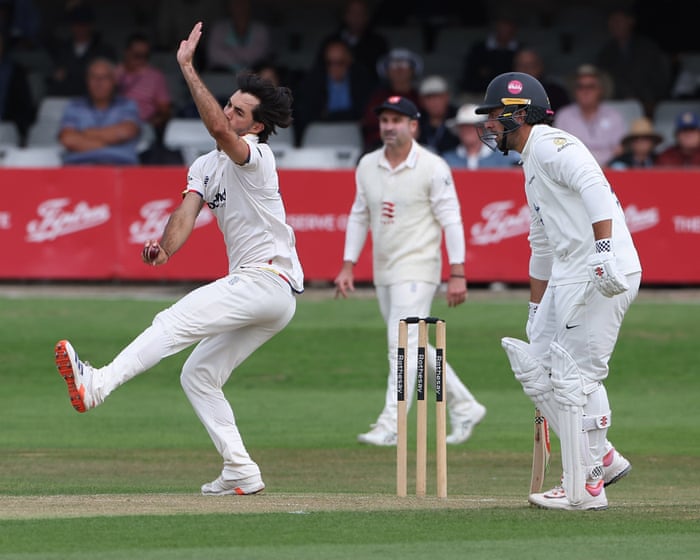 Photograph: Gavin Ellis/TGS/Shutterstock
Hampshire County Cricket Club found itself at the centre of a social‑media firestorm this week when it announced the cancellation of a pending contract with New Zealand all‑rounder Scott Kuggeleijn. The decision came after a vocal fan base raised concerns about the overseas signing, prompting the county to reverse course before any paperwork was signed. In a sport where clubs often rely on both on‑field performance and off‑field image, the reversal underscores how quickly public sentiment can reshape a recruitment plan. The backlash was not a generic dislike of an overseas import; it was rooted in Kuggeleijn’s controversial past. The New Zealand bowler was linked to a high‑profile legal case in 2021 that, while ultimately dismissed, left a lingering stain on his public profile. For a county with a traditionally family‑friendly atmosphere and a strong community ethos, many supporters felt that adding a player with such baggage conflicted with the values they associate with Hampshire cricket. Hampshire’s hierarchy was placed in a delicate balancing act. On one hand, the prospect of a proven limited‑overs all‑rounder could have bolstered a side seeking to sharpen its firepower in the One‑Day Cup and T20 Blast. On the other, the club’s leadership had to reckon with a growing expectation that recruitment decisions be vetted not only for cricketing merit but also for cultural fit. The eventual withdrawal signals that the latter consideration won this particular internal debate. The episode reflects a broader shift in English county cricket, where supporters increasingly wield influence beyond the boundary ropes. Social‑media platforms have turned fans into an informal advisory board, capable of amplifying concerns that might previously have been confined to boardroom meetings. When a collective voice reaches a tipping point, clubs are learning that the cost of alienating their core base can outweigh any short‑term tactical gain from a high‑profile signing. For Kuggeleijn, the episode is a reminder that the modern professional landscape is less forgiving of past controversies, regardless of legal outcomes. While his skill set remains attractive to teams needing a middle‑order bat and a seam option, his marketability may now hinge on how effectively he can demonstrate personal growth and community engagement. Other counties will likely weigh his on‑field credentials against the potential for reputational risk, a calculus that has become more pronounced in the age of instant public scrutiny. From Hampshire’s perspective, the decision may reinforce its brand as a club that listens to its supporters and places community standards at the fore. However, there is a risk that the precedent could constrain future recruitment, especially when targeting overseas talent who may carry complex off‑field histories. The county will now need to identify a replacement who can deliver the desired cricketing impact without igniting a similar controversy, a challenge that tests the depth of its scouting network. In the final analysis, the cancellation of Scott Kuggeleijn’s signing serves as a case study in the evolving power dynamics between fans, clubs, and players. It illustrates that in today’s hyper‑connected world, the court of public opinion can dictate boardroom outcomes, reshaping the very architecture of squad building. Whether this leads to more prudent hiring practices or a chilling effect on bold signings remains to be seen, but one thing is clear: Hampshire County Cricket Club has taken a definitive stance, and its supporters have proved they are not merely spectators.