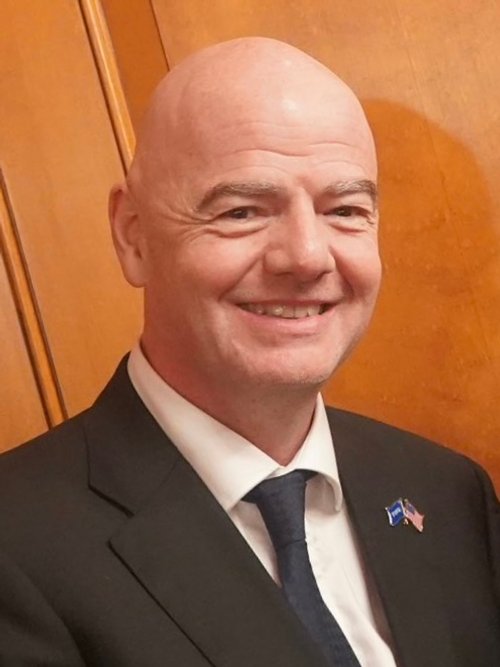
Gianni Infantino Pushes FIFA Review Amid Growing Calls for His Resignation
Gianni Infantino responded to mounting resignation demands by urging a formal FIFA review of the abandoned World Cup sell‑off plan, signalling a strategic pivot in the face of governance pressure.
By Callum Reid · 25 Sept 2026 · 3 min read · United Kingdom edition
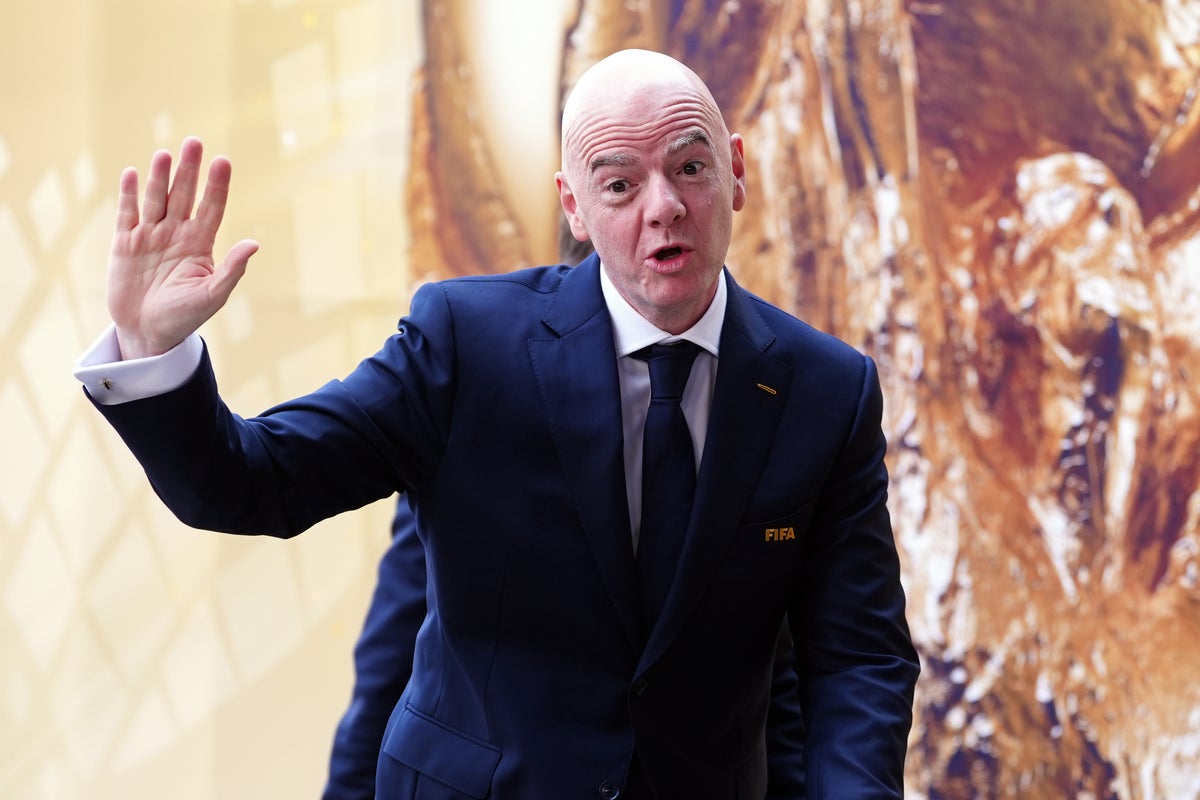 PA
PAGianni Infantino found himself on the defensive as a chorus of voices demanded his resignation, prompting him to steer the conversation toward a concrete procedural step. In a public statement he urged FIFA to launch a full review of the abandoned World Cup sell‑off plan, positioning the review as a way to address the criticism swirling around his tenure. By anchoring his response in an institutional process rather than personal defence, Infantino signalled a willingness to let the organisation’s own mechanisms speak for themselves.
The calls for Infantino’s resignation are not a fleeting media buzz; they reflect a deepening unease among stakeholders who question the leadership’s handling of high‑profile initiatives. When a governing body’s chief is asked to step aside, the signal is clear: confidence in strategic direction and ethical oversight is eroding. Infantino’s decision to pivot toward a review suggests he recognises that the credibility gap cannot be closed by rhetoric alone; it requires an audit that can be examined by the broader football community.
A review of the abandoned World Cup sell‑off plan is, on its face, a technical exercise, but its implications stretch far beyond a single project. The plan’s abandonment was already a point of contention, and subjecting it to scrutiny offers an opportunity to dissect decision‑making processes, financial transparency, and compliance with FIFA’s own statutes. If the review uncovers systemic flaws, it could justify the calls for a change at the top; if it vindicates the existing approach, it could bolster Infantino’s standing and blunt the resignation narrative.
From an organisational perspective, launching a review is a double‑edged sword. On one hand, it demonstrates a commitment to accountability and can restore some degree of trust among partners, sponsors, and fans who have expressed disappointment. On the other, it risks exposing deeper governance weaknesses that could fuel further criticism. The outcome of such an inquiry will likely dictate the next phase of Infantino’s leadership—either a reaffirmation of his mandate or an accelerated push toward a leadership transition.
Stakeholder expectations are now calibrated around the review’s scope and timeline. Fans demand clarity on why the sell‑off plan was abandoned, while sponsors seek assurance that future projects will be managed with fiscal prudence and ethical oversight. By championing a review, Infantino is attempting to align the governing body’s response with these expectations, offering a tangible path forward that moves the debate from personality‑driven attacks to procedural resolution.
The strategic calculus for Infantino hinges on the review’s credibility. If the process is perceived as thorough, independent, and transparent, it could neutralise the resignation pressure by demonstrating that the organisation is capable of self‑correction. Conversely, a perfunctory review would likely intensify scrutiny, reinforcing the narrative that the leadership is attempting to sidestep accountability. In this light, the call for a review is not merely a defensive maneuver but a high‑stakes gamble on institutional legitimacy.
Looking ahead, the next few weeks will be critical. The terms of reference for the review, the composition of any investigative panel, and the public communication strategy will shape the narrative. A well‑executed review could become a case study in crisis management for global sports bodies; a botched effort could accelerate calls for Infantino’s departure and trigger broader governance reforms.
In sum, Gianni Infantino’s appeal for a FIFA review of the abandoned World Cup sell‑off plan is a decisive pivot from personal defence to procedural accountability. Whether this move will stem the tide of resignation demands or simply delay an inevitable leadership change depends on the rigor of the review and the willingness of the football community to accept its findings. The coming days will reveal if the review can serve as a bridge to restored confidence or a catalyst for further upheaval.